Future Role of Authorized Generics: Market Outlook
Chris Gore
Category: Medications and Treatments - Page 2
Accurately sharing your over-the-counter meds and supplement use with your provider can prevent dangerous interactions, hospitalizations, and even death. Learn how to track, disclose, and advocate for safer care.
Chris Gore Mar 9, 2026
Learn how to properly store inhalers and nebulizer medications to ensure they work when you need them most. Temperature, humidity, and storage location can make the difference between life and death during an asthma attack.
Chris Gore Mar 8, 2026
Accessible prescription labels with large print, audio, or QR codes help people with low vision take medications safely. Learn how these labels work, what the law requires, and how to get them at any pharmacy.
Chris Gore Mar 1, 2026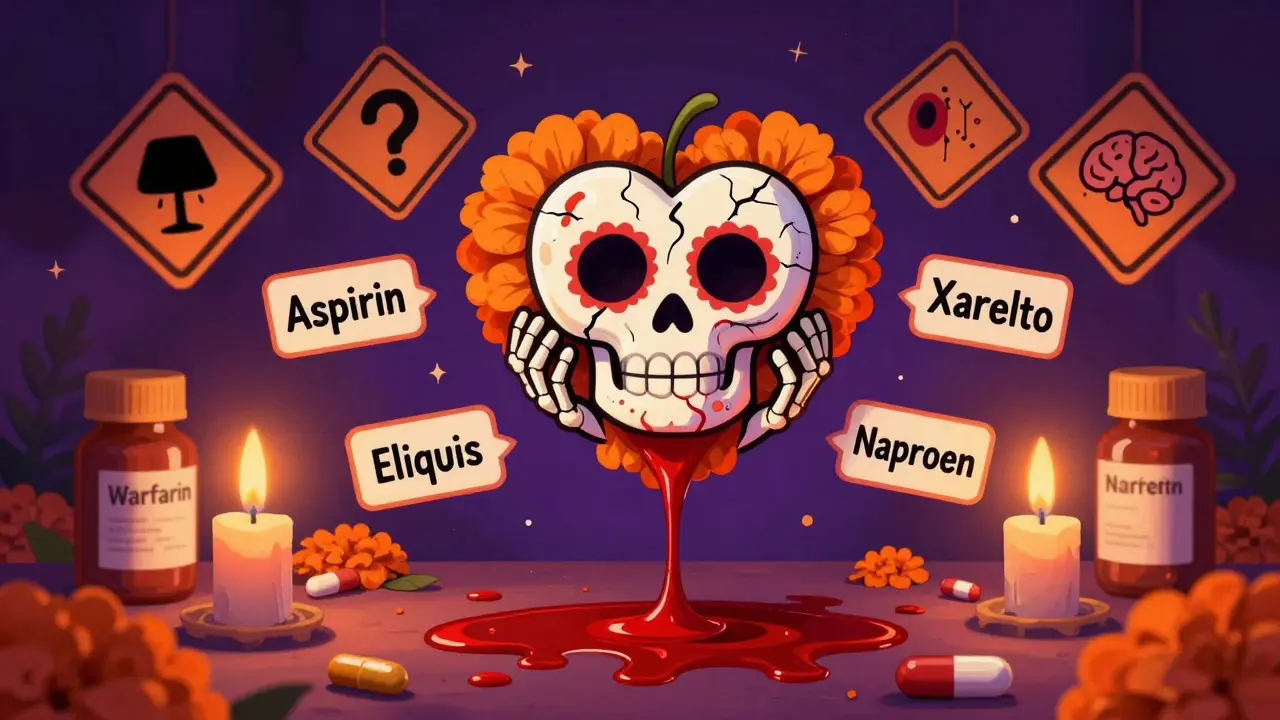
Combining aspirin with blood thinners like warfarin, Eliquis, or Xarelto doubles bleeding risk. Learn who should avoid this combo, the signs of internal bleeding, and safer alternatives for heart protection.
Chris Gore Feb 27, 2026
As of 2026, over 260 medications remain in short supply across the U.S., including IV fluids, chemotherapy drugs, antibiotics, and ADHD meds. Learn which drugs are hardest to find, why shortages persist, and what patients and providers can do.
Chris Gore Feb 23, 2026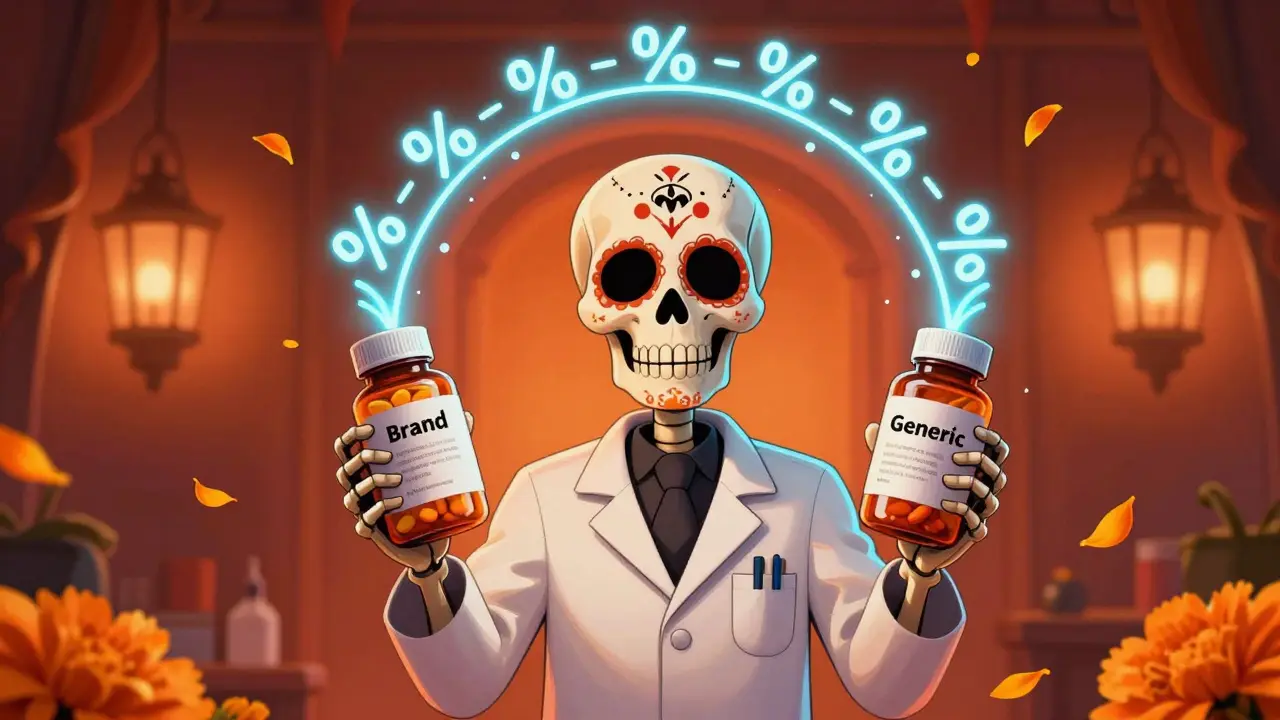
The 80-125% rule for generic drugs is often misunderstood. It doesn't mean generics can have 20-25% less or more drug. It's a strict statistical test ensuring absorption is nearly identical to brand-name drugs-backed by decades of real-world data.
Chris Gore Feb 20, 2026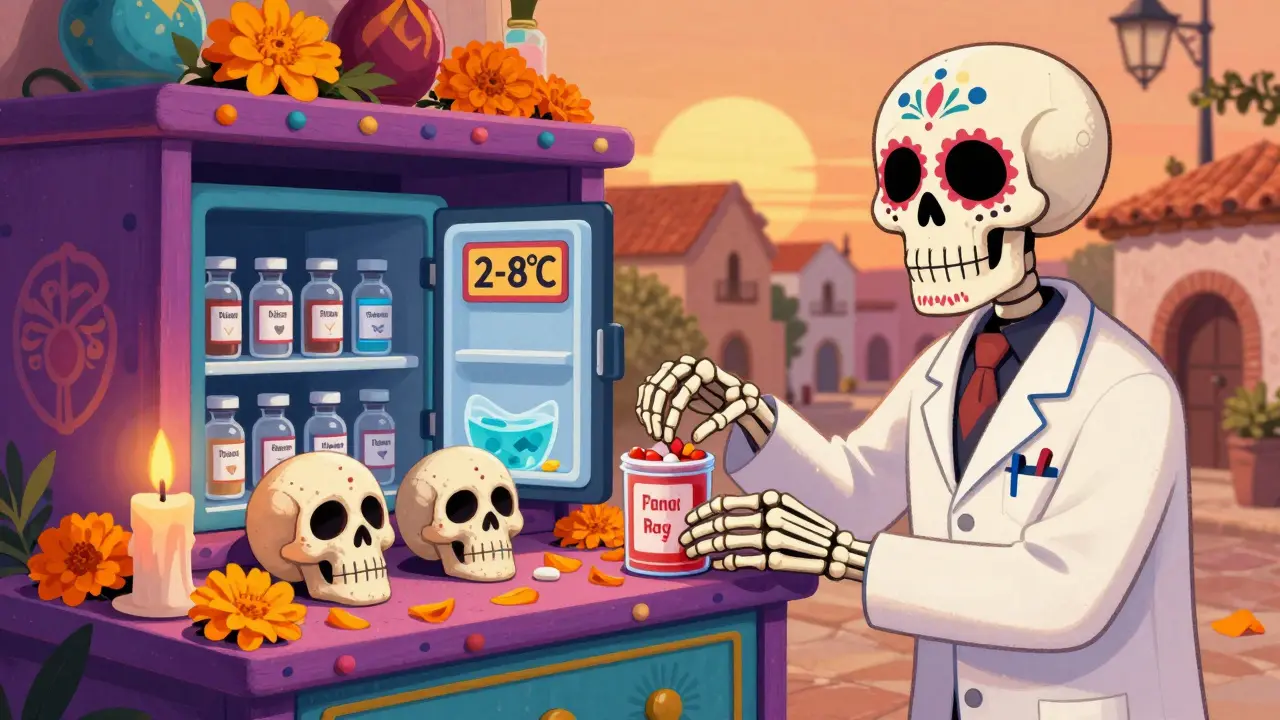
Learn how to safely store and dispose of prescription medications to prevent misuse, protect water supplies, and keep your family safe. Simple steps make a big difference.
Chris Gore Feb 13, 2026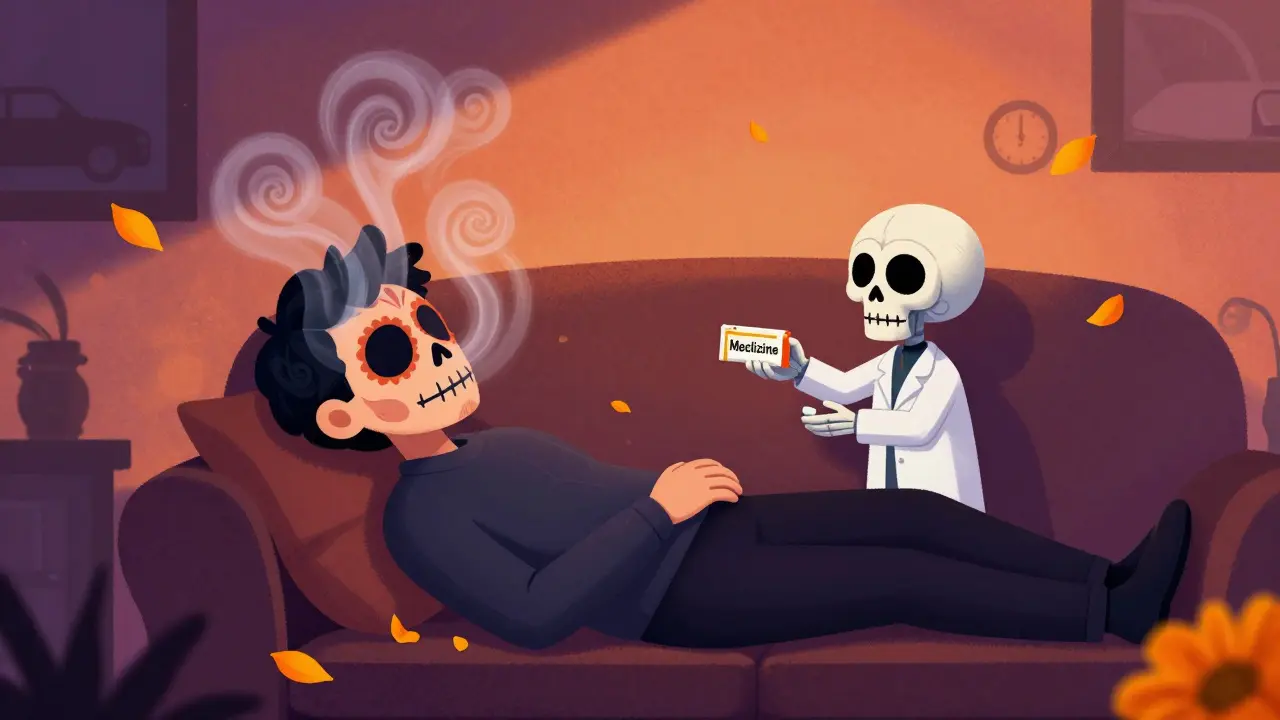
Meclizine helps with vertigo and motion sickness, but it causes drowsiness and anticholinergic side effects. Learn how it works, who should avoid it, and safer alternatives for long-term use.
Chris Gore Feb 7, 2026
QT prolongation from antibiotics like fluoroquinolones and macrolides can cause fatal arrhythmias. Learn step-by-step monitoring strategies, risk factors, and when to stop these drugs to keep patients safe.
Chris Gore Feb 5, 2026
Peripheral Artery Disease affects millions silently, but early detection can prevent amputations and heart attacks. Learn symptoms, diagnosis methods like ABI tests, and treatment options from lifestyle changes to surgery.
Chris Gore Feb 4, 2026