

Extended Use Dates: How the FDA Extends Drug Expiration Dates During Shortages
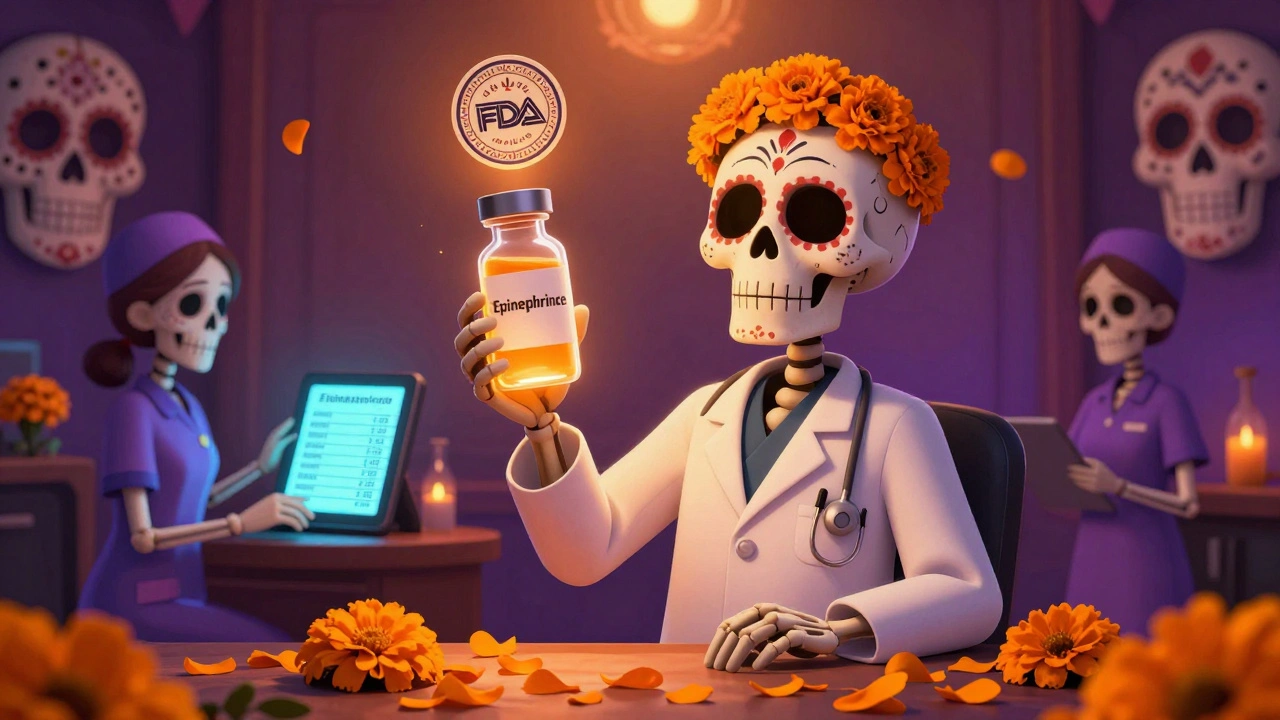
When a life-saving drug runs out, hospitals don’t just wait for more to arrive. In the U.S., the FDA has a quiet but powerful tool to keep medications flowing during shortages: extended expiration dates. This isn’t about ignoring labels or cutting corners. It’s a carefully controlled, science-backed process that lets hospitals safely use drugs past their printed expiration dates-when no other options exist.
Why Do Drug Shortages Happen?
Drug shortages aren’t random. They happen because of complex problems in manufacturing, supply chains, or quality control. A single factory making all of a certain drug? If that factory shuts down for repairs, the entire country can run out. That’s what happened with IV fluids in 2024. Or a drug is made by only one company, and they stop producing it because it’s not profitable enough. Sometimes, raw materials get delayed overseas. Or a batch fails quality tests, and the whole lot gets tossed. The FDA defines a shortage as when demand for a drug exceeds supply. As of late 2024, over 340 drugs were on the official shortage list. Many of these are critical: epinephrine for allergic reactions, propofol for anesthesia, dantrolene for malignant hyperthermia, and IV solutions used in nearly every hospital procedure.How the FDA Approves Longer Expiration Dates
The FDA doesn’t just say, “Use it anyway.” Every extension is based on hard data. Manufacturers run stability tests-keeping samples of the drug under controlled conditions for months or years to see if it still works. Does it still have the right strength? Is it still pure? Does it break down into harmful substances? If the data looks good, the manufacturer submits it to the FDA. The agency reviews it. If they approve, they publish the extension in a public table. The most common extension? One extra year. But some cases go further. In October 2024, the FDA allowed certain Baxter IV solutions to be used up to 24 months after manufacture, not just the original 12-18 months. The FDA doesn’t require manufacturers to relabel the bottles. That means a vial might still say “Expires Sept 30, 2025,” but the FDA has approved it for use until Jan 30, 2026. Pharmacists and nurses must check the FDA’s official list to know which lots are approved for extended use. It’s not a blanket rule for the whole product-it’s specific to lot numbers.Which Drugs Get Extensions?
Not every drug on the shortage list qualifies. The FDA picks the most critical ones. These are drugs with no good alternatives. For example:- Propofol - Used for anesthesia. No other drug works the same way for many surgeries.
- Epinephrine - The only treatment for anaphylaxis. If you’re allergic and go into shock, this is your lifeline.
- Dantrolene - Used in rare but deadly muscle reactions during anesthesia. If you don’t have it, patients can die.
- Meperidine - A painkiller used in hospitals, especially for post-op pain.
- IV fluids - Saline and dextrose solutions. Used for hydration, IV meds, blood transfusions. When these run out, everything slows down.
How Hospitals Manage Extended-Date Drugs
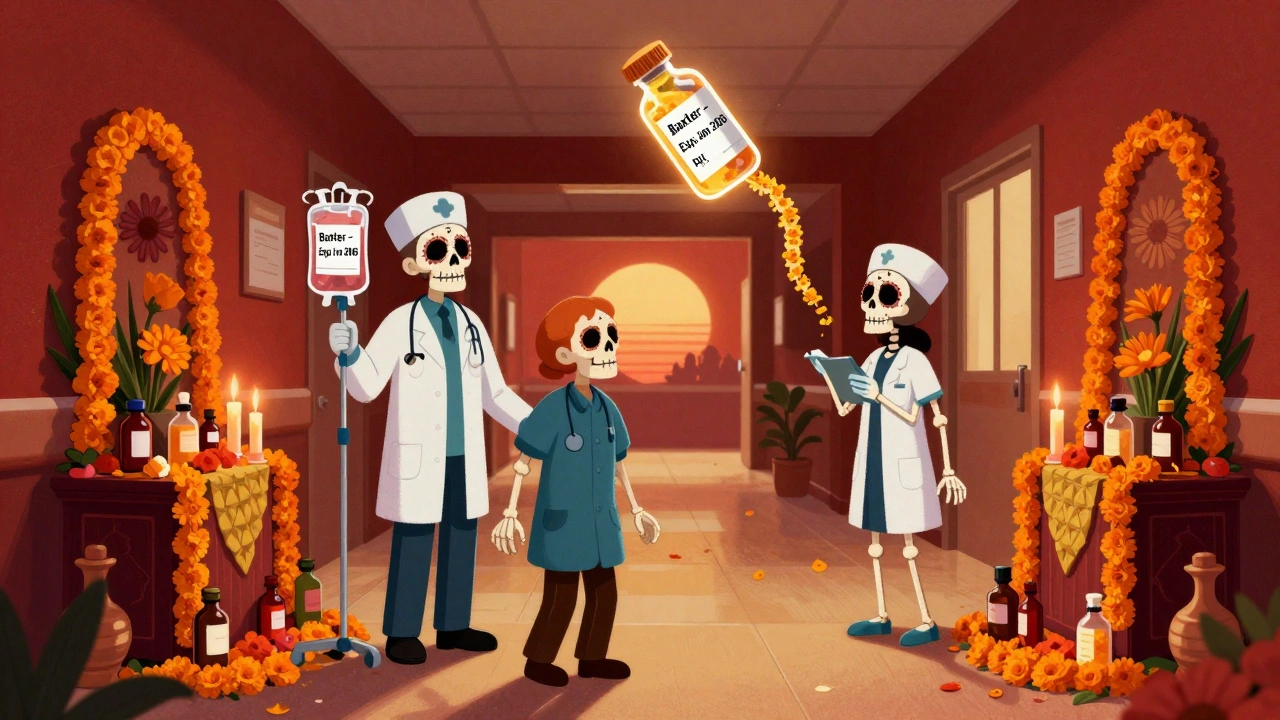
This isn’t as simple as “use it before it expires.” Hospitals have to track exact lot numbers. A pharmacy might have 10 vials of epinephrine. Only three of them might be approved for extended use. The rest? They’re truly expired and must be thrown out. Pharmacies update their inventory systems to flag approved lots. Staff get trained. Nurses double-check the lot number against the FDA’s public list before giving a drug. Mistakes here can be dangerous. Giving a patient a drug that’s truly expired could mean it doesn’t work. Giving a drug that’s not approved for extension? That’s a regulatory violation. The FDA doesn’t require relabeling, so the original label stays on. That’s why the FDA’s searchable table is so important. It’s the only official source. Hospitals rely on it daily.When Does the FDA Use This Power?
The authority to extend expiration dates didn’t always exist. It grew out of two major laws:- FDASIA (2012) - Made manufacturers tell the FDA early if they planned to stop making a drug or if a shortage was coming. This gives the FDA time to act.
- PAHPRA (2013) - Gave the FDA explicit power to extend expiration dates for medical countermeasures-drugs stockpiled for bioterrorism or pandemics.
What Happens When Supply Returns?
The FDA is clear: these extensions are temporary. They’re meant to buy time until new production comes online. Once new batches arrive, hospitals are expected to stop using the extended-date lots and dispose of them properly. That’s why the FDA’s list is updated daily. As shortages resolve, entries are marked as “Resolved.” The agency works with manufacturers to fix quality issues, speed up inspections, and even help find new suppliers. But when those solutions take months, the extended expiration program keeps patients safe in the meantime.
Why This Matters to Patients
You might never hear about this system-but it affects you. If you’re in the hospital for surgery, a heart attack, or a severe infection, the drugs you need might be one of these extended-date products. Without this program, many of those treatments wouldn’t be available. The FDA doesn’t make this decision lightly. Every extension is based on science. Every approval is public. Every lot is tracked. It’s not a loophole. It’s a safety valve. For patients, the message is simple: if your doctor says you’re getting a drug with an extended date, it’s safe. The FDA has reviewed the data. The hospital has verified the lot. This isn’t a risk-it’s a carefully managed solution to a real problem.What You Can Do
If you’re a patient or caregiver:- Don’t panic if your medication’s expiration date looks old. Ask your pharmacist if it’s part of an FDA-approved extension.
- Check the FDA’s Drug Shortages page for the official list of extended-date products.
- Don’t use expired drugs unless you’re told it’s safe by your provider or pharmacist.
- Report any drug shortages you notice to your pharmacy or doctor. The more information the FDA gets, the faster they can respond.
Is This a Long-Term Fix?
No. Extended expiration dates are a band-aid, not a cure. The real problem is fragile supply chains, single-source manufacturing, and lack of investment in domestic production. The FDA’s tool helps avoid deaths right now, but it doesn’t stop the next shortage from happening. Experts say the best solution is to diversify suppliers, improve manufacturing quality, and incentivize companies to keep making essential but low-profit drugs. But until those changes happen, the FDA’s expiration date extensions remain one of the most important, yet least-known, tools in modern medicine.Are drugs with extended expiration dates safe to use?
Yes. The FDA only approves extensions when manufacturers provide strong stability data showing the drug still meets quality, strength, and purity standards. These are not random decisions-they’re based on scientific testing under controlled conditions. Hospitals must verify lot numbers against the FDA’s official list before use.
Do all drugs in shortage get extended expiration dates?
No. Only critical drugs with no good alternatives qualify. The FDA prioritizes life-saving medications like epinephrine, propofol, and IV fluids. Drugs with multiple substitutes or lower clinical urgency rarely get extensions, even if they’re in short supply.
How long can expiration dates be extended?
Most extensions add one year to the original date. But some cases go further. In late 2024, the FDA allowed certain IV solutions to be used up to 24 months after manufacture. The length depends on the stability data submitted and the drug’s criticality. Extensions are never arbitrary-they’re based on actual test results.
Do I need to relabel drugs with extended expiration dates?
No. The FDA does not require or recommend relabeling. The original expiration date on the vial or bottle stays the same. Healthcare providers must check the FDA’s public database to find which lot numbers have been approved for extended use. This prevents confusion and ensures accurate tracking.
How can I find out if my medication has an extended expiration date?
Ask your pharmacist. They are required to check the FDA’s Drug Shortages page for approved extended-use lots. The FDA publishes a searchable table with the exact NDC numbers and lot numbers that qualify. If your medication is on that list, your pharmacist will know. Never assume an old-looking drug is unsafe-always verify with a professional.
What happens when new supplies arrive?
Hospitals are expected to stop using extended-date lots and replace them with newly manufactured ones. The FDA expects these older lots to be properly disposed of once normal supply resumes. The extension is always a temporary measure-designed to bridge the gap until production catches up.
Drug shortages are stressful, unpredictable, and dangerous. But the FDA’s extended expiration program is one of the most effective, science-driven responses to this crisis. It doesn’t solve the root causes-but it saves lives today.



This is actual magic. No one talks about it, but the FDA’s doing the quiet heavy lifting so your uncle doesn’t die on the OR table because a factory in China had a power outage. 🙌
YESSSS this is so important!! I work in pharmacy and we check the FDA list daily-so many people panic when they see an old date, but if it’s on the list, it’s 100% safe 😊💕 #TrustTheScience
Imagine if we treated medicine like we treat milk-‘oh it’s 2 days past, throw it out.’ But no, we’ve got scientists running stability tests like it’s a NASA mission. We’re lucky this system exists. 🇺🇸
One must question the epistemological foundations of this practice. The FDA, a bureaucratic entity, presumes to extend temporal validity of chemical compounds based on manufacturer-submitted data-data which may be subject to selection bias, corporate incentive structures, and regulatory capture. The absence of independent replication undermines the scientific integrity of the process. One cannot accept such extensions without profound epistemic caution.
Oh wow, so the FDA’s just letting drug companies stretch expiration dates like they’re taffy? And you’re telling me we’re supposed to trust this? Meanwhile, Big Pharma’s profits are soaring while patients get handed vials with 2025 labels but 2026 approval codes. This isn’t science-it’s a cover for lazy manufacturing. Someone’s getting rich off this ‘band-aid.’
WAIT. So you’re telling me they’re NOT relabeling the bottles?? That means someone could accidentally give you a drug that’s supposed to be expired but they THINK it’s extended?? What if the FDA list gets hacked?? What if a nurse is tired and misses the update?? This is a NIGHTMARE. Someone’s going to die because of a typo in a spreadsheet. I’m not sleeping tonight.
As a nurse who’s had to double-check lot numbers at 3 a.m. during a propofol shortage, I can say this system saves lives-but it’s also exhausting. We need better infrastructure. This shouldn’t be a game of hide-and-seek with expiration dates. Thank you for highlighting the human toll behind the policy.
lol u think this is legit? the FDA is just a puppet for big pharma. they extend dates so they dont have to make more. and the 'stability data'? fabricated. i saw a doc on youtube-some guy in a lab coat said the same drugs degrade in 6 months. they just dont wanna pay for new batches. #BigPharmaLies 🤡
Interesting how everyone’s either terrified or thrilled by this, but nobody’s asking why the hell we’re still relying on single-source manufacturers in the first place. We’ve got the tech to decentralize production. We’ve got the money. We just don’t have the political will. This extension thing? It’s not a solution. It’s a confession that we failed.