Top 7 Alternatives to RexMD.com for Men's Health Solutions in 2024
Chris Gore
Archive: 2026/01
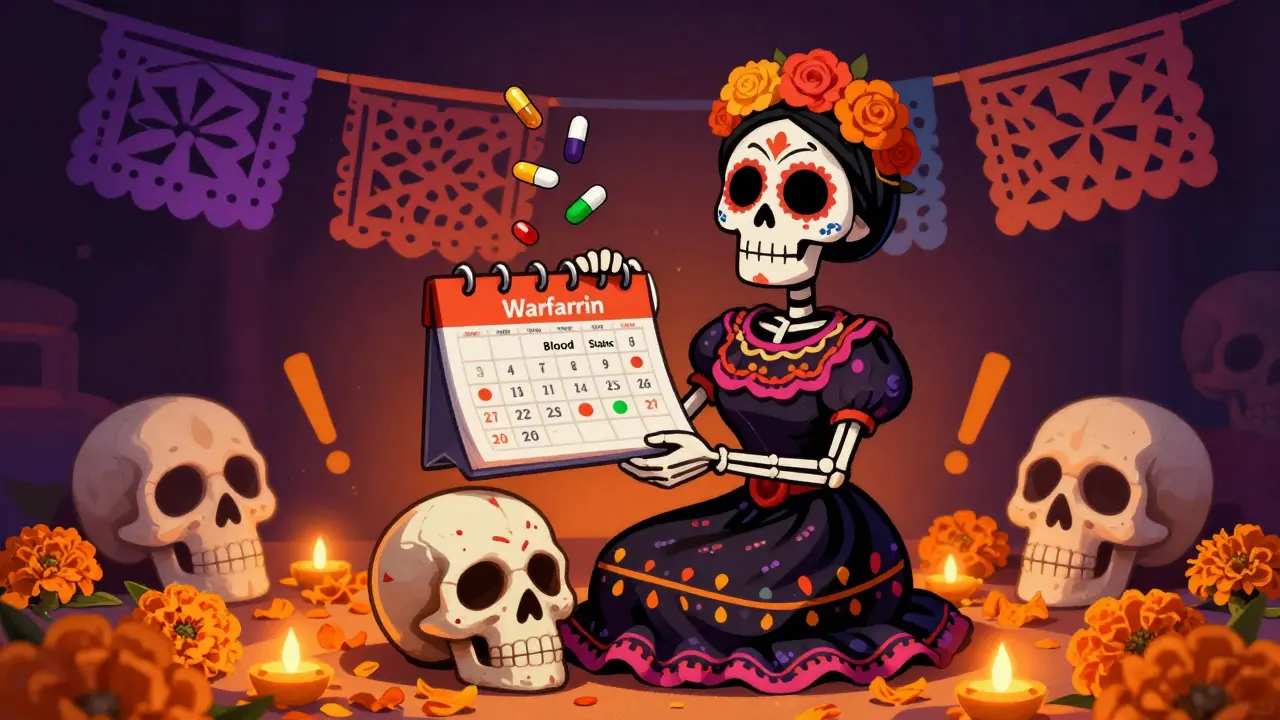
Learn how to safely handle missed medication doses without doubling up. Discover the rules for once-daily, twice-daily, and high-risk drugs-and what to do if you accidentally take too much.
Chris Gore Jan 31, 2026
Learn where to find the FDA's official list of authorized generics, how to interpret it, and why it often doesn't help you buy cheaper drugs. Get practical tips to find real availability and pricing.
Chris Gore Jan 30, 2026
Quality assurance fears in manufacturing are reshaping brand trust in 2026. Learn how tech, skills gaps, and customer expectations are forcing companies to rethink quality as a core brand promise-not just a compliance task.
Chris Gore Jan 29, 2026
Hypoglycemia in older adults is often silent and deadly. Learn why certain diabetes meds like glyburide are dangerous, how to spot hidden symptoms, and what prevention steps actually work to avoid falls, hospital stays, and cognitive decline.
Chris Gore Jan 28, 2026
Generic combinations are transforming the pharmaceutical industry by offering smarter, more effective alternatives to traditional generics. With rising demand for improved dosing and patient compliance, these advanced products are reshaping markets and regulations worldwide.
Chris Gore Jan 26, 2026
Molluscum contagiosum causes harmless but contagious skin bumps in children and adults. Learn what they look like, how they spread, why treatment isn't always needed, and what actually works based on current medical guidelines.
Chris Gore Jan 26, 2026
Medication-induced angioedema can cause life-threatening swelling in the throat or tongue, especially from ACE inhibitors. Unlike allergic reactions, it doesn’t respond to antihistamines. Learn the signs, risks, and what to do in an emergency.
Chris Gore Jan 24, 2026
Canada's generic drug system uses centralized pricing to control costs and prevent shortages, while the U.S. relies on market competition for lower prices. Learn how the two systems differ in practice, pricing, and patient outcomes.
Chris Gore Jan 23, 2026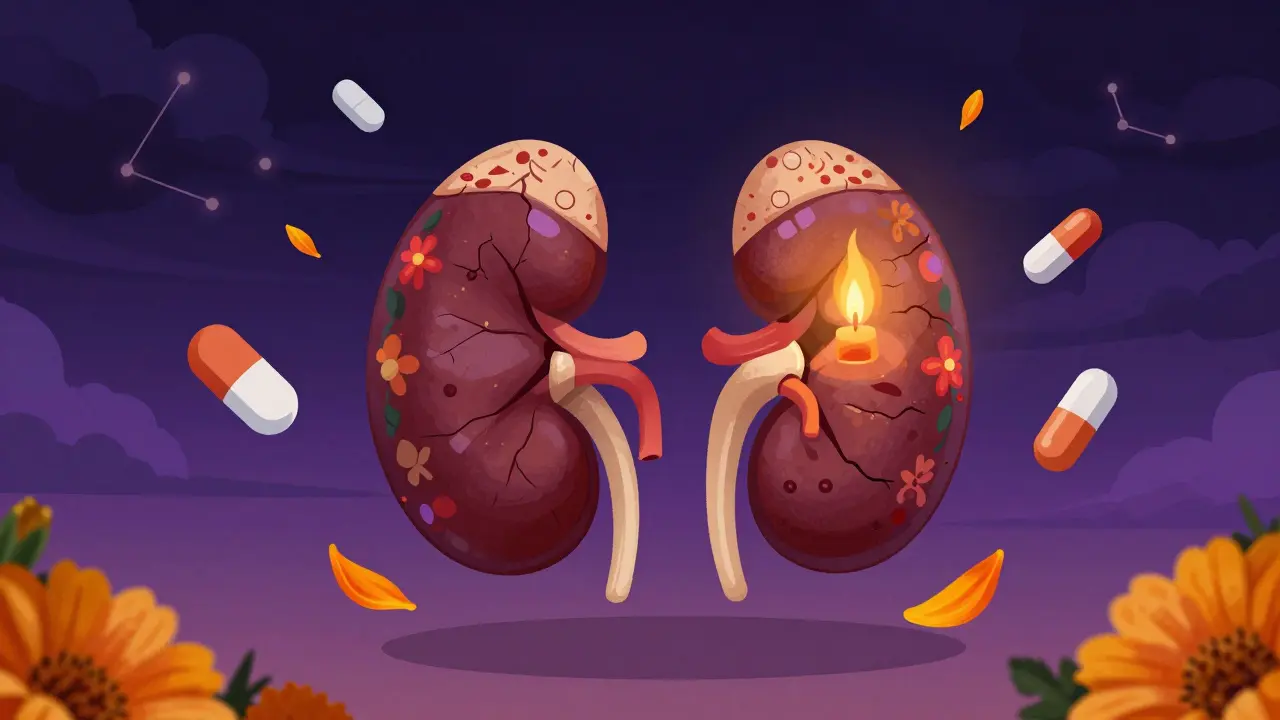
Analgesic nephropathy is a preventable kidney disease caused by long-term use of NSAIDs and acetaminophen. Learn how common painkillers damage kidneys, who’s at risk, and what safer pain relief options actually work.
Chris Gore Jan 21, 2026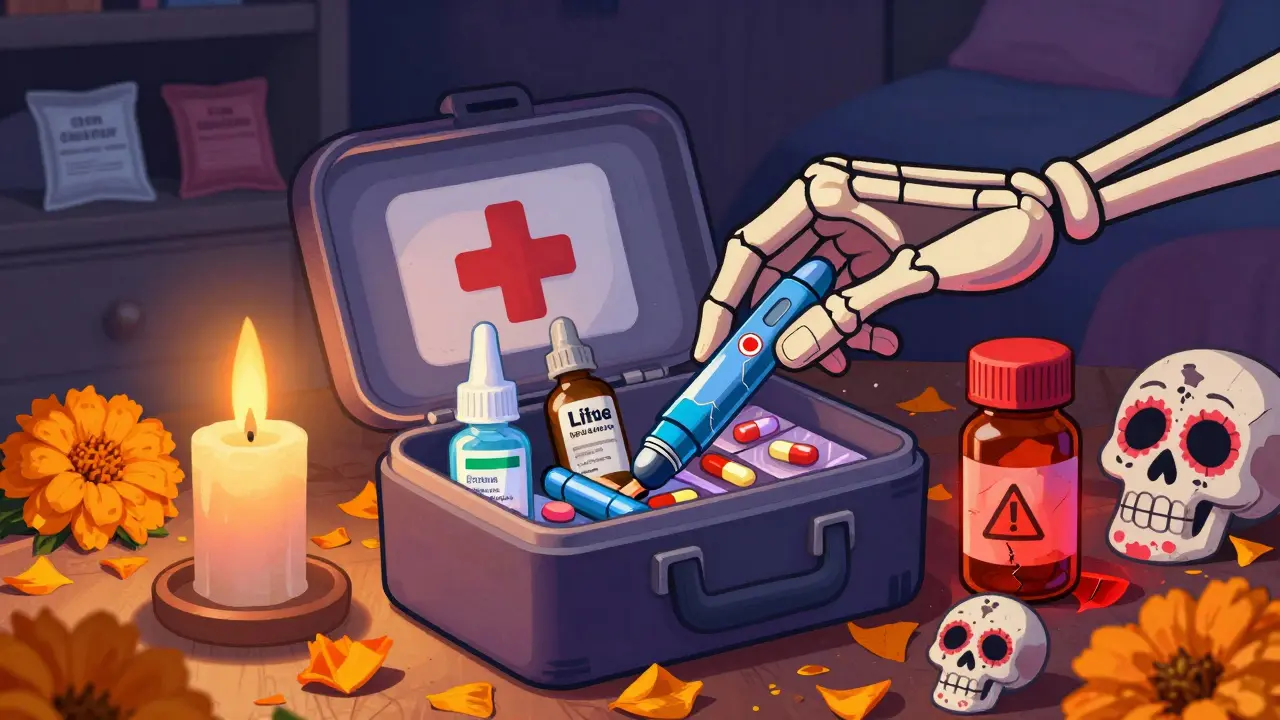
Learn when to replace expired OTC first-aid meds-what’s safe to use, what’s dangerous, and how to keep your kit reliable. No guesswork, just clear rules based on real data.
Chris Gore Jan 20, 2026