

How to Handle Missed Doses Safely Without Doubling Up
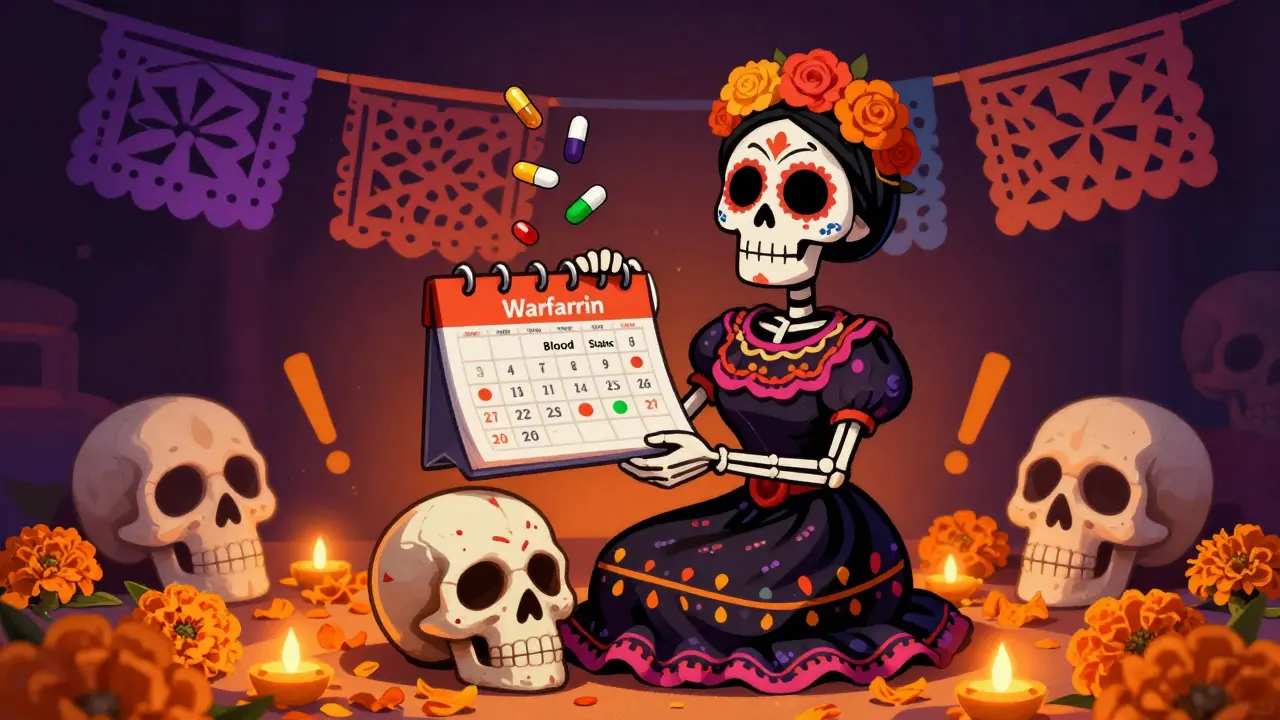
Missing a dose of your medication happens to almost everyone at some point. Maybe you were rushing out the door, forgot because of a change in routine, or fell asleep before taking it. The instinct is often to make up for it by taking two pills right away. But that’s exactly what you should never do-not without checking first. Doubling up can lead to serious side effects, hospital visits, or even life-threatening reactions. The good news? There’s a safe way to handle it every time.
Why Doubling Up Is Dangerous
Taking two doses at once might feel like fixing the problem, but it’s actually creating a new one. Many medications work best when they’re in your body at steady levels. When you take a double dose, you spike those levels dangerously high. This is especially risky for drugs with a narrow therapeutic index-meaning the difference between the right dose and a toxic one is very small. Drugs like warfarin (a blood thinner), digoxin (for heart rhythm), and some seizure medications fall into this category. A 2018 study found that 17.3% of adverse drug events in older adults came from people doubling up after missing a dose. In one case, a patient taking warfarin doubled their dose after forgetting it and ended up with an INR level over 5.0-more than five times the upper safe limit. That’s a major bleeding risk. Even medications that seem harmless, like blood pressure pills or statins, can cause dizziness, nausea, low heart rate, or kidney strain if taken in excess. The NHS and FDA agree: never double up. Period.It Depends on the Medication
There’s no one-size-fits-all rule. What you do after missing a dose depends on the drug’s half-life, how often you take it, and its risk level. The National Patient Safety Agency (NPSA) classifies medications into three categories:- Red (highest risk): Anticoagulants, antiepileptics, insulin, methotrexate. Missing a dose can cause immediate harm.
- Amber (moderate risk): Blood pressure meds, some antidepressants. Effects may build up over days.
- Green (low risk): Most statins, some vitamins. One missed dose usually won’t matter.
Once-Daily Medications
If you take a pill just once a day, the rule is simple: if you realize you missed it on the same day, take it right away. But if you don’t remember until the next morning, skip it. Don’t take two the next day. For example, if you usually take your blood pressure pill at 8 a.m. and remember at 7 p.m., take it. If you don’t remember until the next morning, skip the missed dose and take your next one at the regular time. Taking it the next day would mean you’re giving yourself two doses within 24 hours-too close together. This applies to most cholesterol meds, thyroid pills, and daily vitamins. Even though levothyroxine has a long half-life (7 days), many patient leaflets give conflicting advice. Stick to the NHS guideline: take it if you remember the same day. Skip if it’s the next day.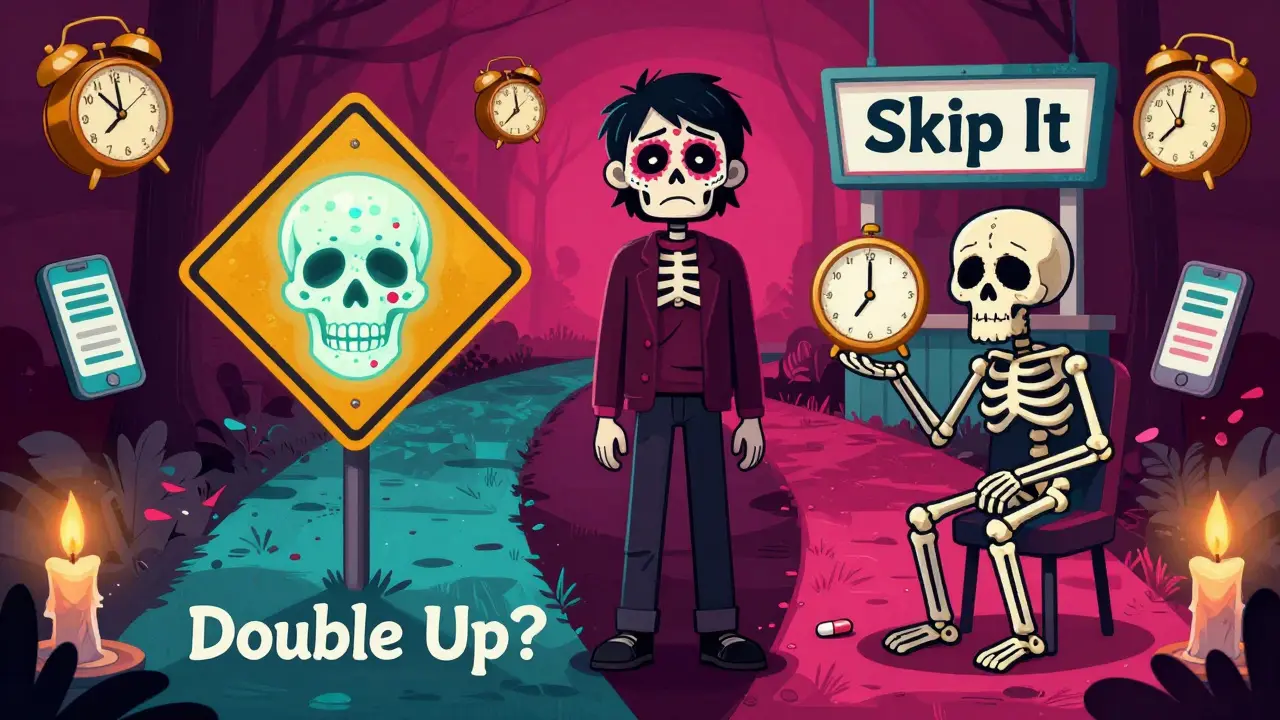
Twice-Daily Medications
For drugs taken twice a day-say, at 8 a.m. and 8 p.m.-you have a 6-hour window. If you miss the morning dose and remember by 2 p.m., take it. If it’s after 2 p.m., skip it. Same for the evening dose: if you remember by 2 a.m., take it. If it’s after that, skip it. Why 6 hours? Because that’s roughly the midpoint between doses. Taking it too close to the next one can cause drug levels to pile up. This is especially important for antibiotics like amoxicillin or blood pressure meds like amlodipine. Some clinicians do recommend doubling the first missed dose for certain antibiotics, but this applies to fewer than 3% of all prescriptions. Don’t assume your med is one of them.Special Cases: Birth Control and GLP-1 Drugs
Oral contraceptives need extra care. If you miss an active pill by less than 12 hours, take it right away and continue as normal. If it’s been more than 12 hours, take the missed pill as soon as you remember, but use backup contraception (like condoms) for the next 7 days. Your protection drops after that window. GLP-1 drugs like semaglutide (Ozempic) or tirzepatide (Mounjaro) are injected once a week. If you miss your dose, you can take it within 4 days of the scheduled day. After that, skip it. Don’t double the next dose. If you miss two doses in a row (14 days total), talk to your doctor before restarting-you might need to start with a lower dose to avoid stomach upset. Clinical trials show 23.7% of patients had nausea or vomiting after restarting after a long break.What to Do If You Accidentally Double Up
If you’ve already taken two doses by mistake, don’t panic-but don’t ignore it either. Call your pharmacist or doctor right away. Have the medication name and dosage ready. If you’re taking a high-risk drug like warfarin, insulin, or digoxin, go to urgent care. Symptoms of overdose include:- Severe dizziness or fainting
- Unusual bleeding or bruising
- Rapid or irregular heartbeat
- Extreme fatigue or confusion
- Nausea, vomiting, or diarrhea
How to Prevent Missed Doses
The best way to handle a missed dose is to avoid it in the first place. Here’s what works:- Use a pill organizer with days and times labeled.
- Set two alarms on your phone-one for the morning, one for the evening.
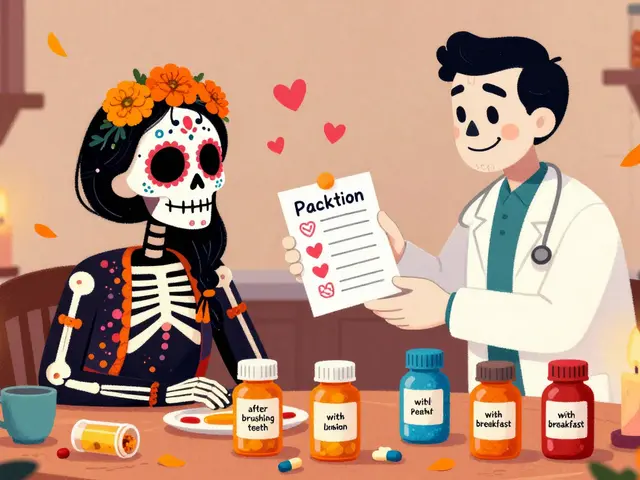
- Link taking your meds to a daily habit: after brushing your teeth, with breakfast, before bed.
- Use apps like MyTherapy or Medisafe. Users report a 42.3% drop in missed doses.
- Ask your pharmacist for a blister pack if you take multiple pills.
- Keep a written log. Mark off each dose as you take it.
When to Talk to Your Doctor
If you’re missing doses often, it’s not just about forgetting. It might be:- The pills are too big or hard to swallow
- You’re overwhelmed by too many meds
- You can’t afford them
- You don’t understand why you’re taking them
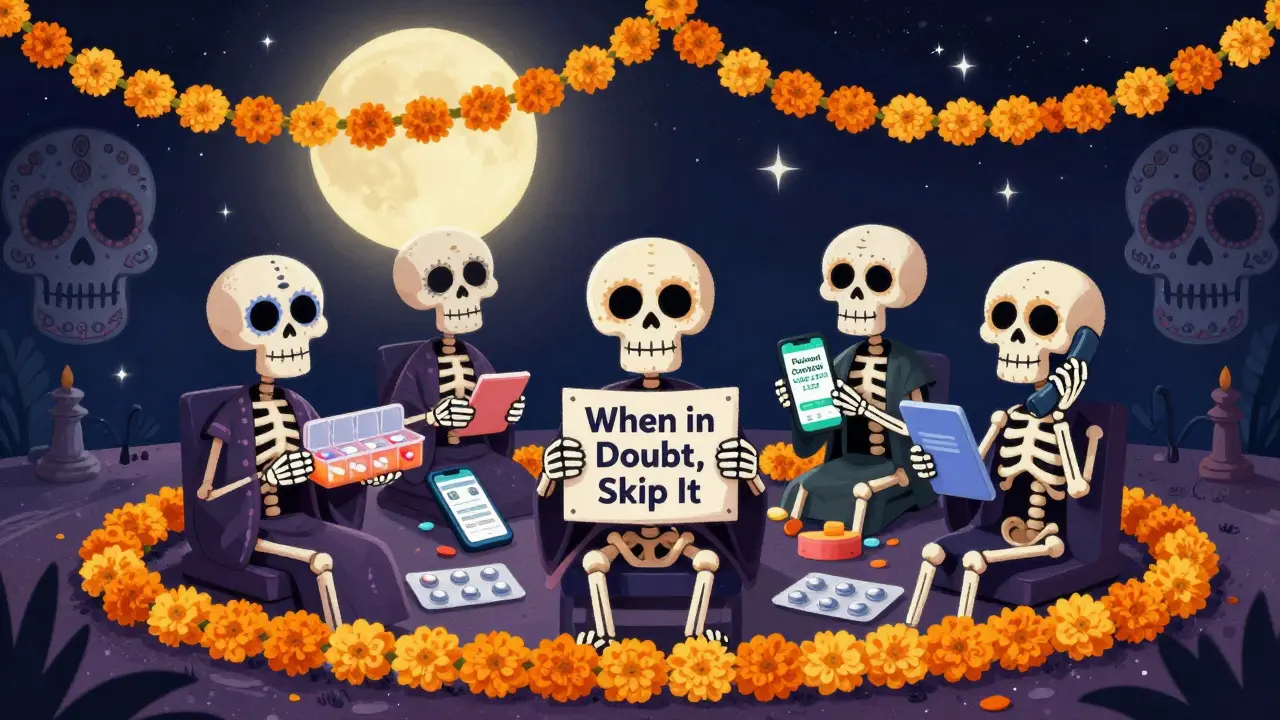
Final Rule: When in Doubt, Skip It
The safest default action after missing a dose is to skip it. Always. Then take your next dose at the regular time. Doubling up is never the answer unless your doctor or pharmacist specifically tells you it’s okay-and even then, it’s rare. Medications are powerful tools. They keep you healthy, stable, and out of the hospital. But they’re also precise. A little extra might seem harmless, but in medicine, small changes can have big consequences. Stay calm, stay informed, and when in doubt, skip the extra pill.What should I do if I miss a dose of my blood pressure medication?
If you miss a dose of your blood pressure pill and remember within the same day, take it right away. If you don’t remember until the next day, skip the missed dose and take your next one at the usual time. Never double up. For twice-daily meds, you have a 6-hour window-if you remember within that time, take it. After that, skip it.
Can I take two pills the next day if I missed one?
No. Taking two pills the next day means you’re giving yourself two doses within 24 hours, which can cause dangerous spikes in drug levels. Always take your next dose at the regular time, even if you missed the last one.
Is it safe to double up on antibiotics?
Almost never. Only a few antibiotics, like amoxicillin in rare cases, might allow doubling the first missed dose-but this is not standard advice. Never assume your antibiotic is one of them. Always check with your pharmacist. Most antibiotics should be skipped if you miss a dose and taken at the next scheduled time.
What if I miss my warfarin dose and don’t realize until the next day?
Skip the missed dose. Never take it the next day. Warfarin has a narrow therapeutic window, and taking two doses close together can cause dangerous bleeding. The NHS recommends taking it only if you remember before midnight. After that, skip it completely.
Why do some pill leaflets give conflicting advice?
Many patient information leaflets lack clear, evidence-based instructions. A 2021 review found that 25% of high-risk medications had no missed dose guidance at all. Even when instructions exist, they’re often inconsistent between brands or outdated. Always double-check with your pharmacist or doctor-don’t rely solely on the leaflet.
Can I use a pill reminder app to avoid missing doses?
Yes. Apps like MyTherapy and Medisafe are proven to reduce missed doses by over 40%. They send alerts, track your intake, and can even notify a family member if you miss a dose. They’re especially helpful if you take multiple medications or have a busy schedule.
What should I do if I accidentally take a double dose?
Call your pharmacist or doctor immediately. If you’re taking a high-risk drug like warfarin, insulin, or digoxin, go to urgent care. Symptoms of overdose include dizziness, unusual bleeding, rapid heartbeat, or confusion. Don’t wait. Poison control hotlines are free and available 24/7.



Ugh, I once doubled up on my blood pressure meds because I thought I was being responsible. Ended up dizzy on the floor for 20 minutes. Don't be me. Skip it. Always. 🤦♀️
There's something deeply human about how we treat medication like a moral obligation-miss a dose, and suddenly you're a failure. But medicine isn't about guilt. It's about rhythm. The body doesn't care if you 'forgot'-it only responds to concentration. So skipping isn't negligence. It's respect for pharmacokinetics. We're not machines, but our drugs are calibrated like clocks. Let them tick.
My grandma took her warfarin at 8am sharp every day. One time she slept through it and took it at 10pm because she didn’t want to ‘miss’ it. Next day she was in the ER. They told her the same thing they told me: if it’s past the window, skip it. No guilt. No doubling. Just next dose at the right time. She’s fine now. Don’t be like her. 😅
I’ve been a pharmacist for 18 years and I still get calls about this. People think skipping is ‘giving up’-but it’s the opposite. It’s discipline. The body doesn’t need a hero. It needs consistency. I always tell folks: your pill organizer isn’t a scoreboard. It’s a calendar. Mark it, move on. No drama.
And if you’re using apps? Brilliant. But don’t let the alert become your only memory. Link it to brushing your teeth. Or your coffee. Habit stacking saves lives.
okay so like i missed my antidepressant for 3 days and then took 3 pills at once because i thought i was ‘catching up’ and then i cried for 4 hours and felt like my brain was melting and my mom had to drive me to the ER and the nurse was like ‘you’re lucky you didn’t die’ and i was like ‘but i just wanted to feel normal again’ and now i have a pill box with 7 compartments and i take pics of it every day and my therapist says i’m ‘overcorrecting’ but honestly i don’t care because i don’t wanna die again
Actually, the NHS doesn’t say you should skip warfarin after midnight-that’s a myth. Their official guidance says: if you remember within 12 hours of your usual time, take it. After that, skip. Midnight is arbitrary. Also, the ‘6-hour window’ for twice-daily meds? That’s not universal. For some beta-blockers, it’s 4 hours. For others, 8. Always check the leaflet-or better yet, call your pharmacy. And yes, some antibiotics DO allow doubling the first missed dose (like amoxicillin), but only if it’s not a time-sensitive infection. So stop saying ‘almost never.’ You’re misleading people. 🤓
I’m from the Philippines and we have this thing called ‘sakit ng ulo’ medicine culture-take more if you feel worse. I used to do that with my mom’s diabetes meds. Then I moved to the US, saw a pharmacist explain half-life like it was a Netflix algorithm, and my whole worldview changed. Medicine isn’t ‘more is better.’ It’s ‘just right.’ Like Goldilocks. But with less porridge. 🍲
Now I use Medisafe. It texts my sister if I miss a dose. She’s annoying but she saves my life. Also, I label my pills with sticky notes in Tagalog. ‘Huwag i-double.’ Don’t double. Simple. Works.
So I missed my Ozempic for 5 days. Thought I’d just double next week’s dose. My doctor laughed so hard he cried. Then he sent me a meme of a turtle carrying a backpack labeled ‘overdose.’ I now have a weekly alarm named ‘Don’t Be the Turtle.’ 🐢
Correction: The 2018 study cited is from JAMA Internal Medicine, volume 178, issue 6. The INR >5.0 case was from a 78-year-old male with renal impairment on concomitant amiodarone-details matter. Also, ‘NHS recommends taking it before midnight’ is a misquote. The NHS Choices page (now NHS.UK) says ‘take it as soon as you remember on the same day’-not midnight. Your article is dangerously imprecise. Fix it. Or at least cite properly.