Velpatasvir and Diet: What to Eat and Avoid During Treatment
Chris Gore
Drug Interactions: What You Need to Know About Medication Risks
When you take more than one medication, your body doesn’t just handle them separately—it tries to process them together, and that’s where drug interactions, unintended changes in how drugs work when combined. Also known as medication clashes, they can make a drug stronger, weaker, or even dangerous. This isn’t rare. One in four adults takes five or more drugs, and many don’t realize that their blood pressure pill, ibuprofen, and garlic supplement might be working against each other.
Some interactions are obvious: mixing blood thinners like warfarin with certain antibiotics can spike bleeding risk. Others hide in plain sight—like how grapefruit juice can turn a cholesterol drug into an overdose. Even something as simple as taking an antacid with an antibiotic can stop the drug from being absorbed. These aren’t just theory—they show up in real life. People end up in the ER because their thyroid med stopped working after switching generics, or their painkiller lost effect because they started taking a new supplement. The FDA tracks hundreds of these cases yearly, and many are preventable.
It’s not just about pills. Your liver and kidneys are the main players in how drugs move through your body. If one drug slows down how fast another gets broken down, it builds up. If another drug speeds it up, it vanishes before it can help. That’s why drugs like amiodarone, a heart rhythm medication with a long half-life can cause nerve damage months after starting it—because it’s still hanging around, reacting with other meds. Or why trimethoprim, a common antibiotic can push potassium levels into dangerous territory, especially if you’re also on ACE inhibitors. These aren’t edge cases—they’re documented, predictable, and often missed because no one asked about all the meds you’re taking.
What you’ll find below isn’t just a list of articles. It’s a practical toolkit. You’ll see how idiosyncratic drug reactions, rare but life-threatening responses tied to genetics can sneak up on you. How NTI substitution laws, rules that block generic swaps for critical drugs like levothyroxine exist to protect you from tiny but dangerous changes. How even something as simple as switching pharmacies or filling a prescription at a different store can trigger a hidden interaction if your meds aren’t tracked right. You’ll also learn how to spot red flags—like sudden dizziness, unexplained fatigue, or strange rashes—and what to say to your pharmacist before you walk out with a new bottle.
Knowing about drug interactions isn’t about fear. It’s about control. The right questions, the right checks, and the right conversations can turn a risky mix into a safe plan. Below, you’ll find real stories, real science, and real steps to keep your meds working—for you, not against you.
Accurately sharing your over-the-counter meds and supplement use with your provider can prevent dangerous interactions, hospitalizations, and even death. Learn how to track, disclose, and advocate for safer care.
Chris Gore Mar 9, 2026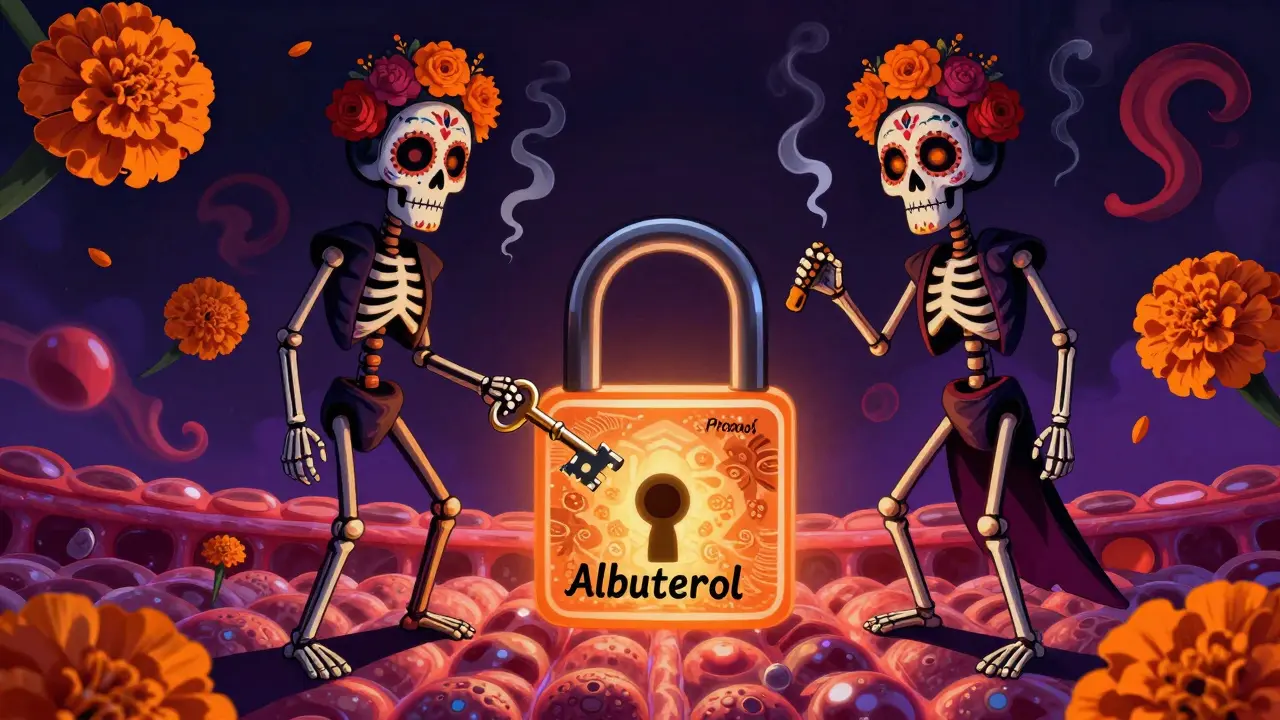
Pharmacodynamic drug interactions occur when drugs change each other's effects at the receptor level-not by altering blood levels, but by altering how your body responds. These interactions can be deadly, helpful, or hidden-here's what you need to know.
Chris Gore Feb 3, 2026
Rifampin can drastically reduce levels of anticoagulants and antivirals by boosting liver enzymes, leading to treatment failure. Learn how this dangerous interaction works and what to do if you're on both.
Chris Gore Jan 18, 2026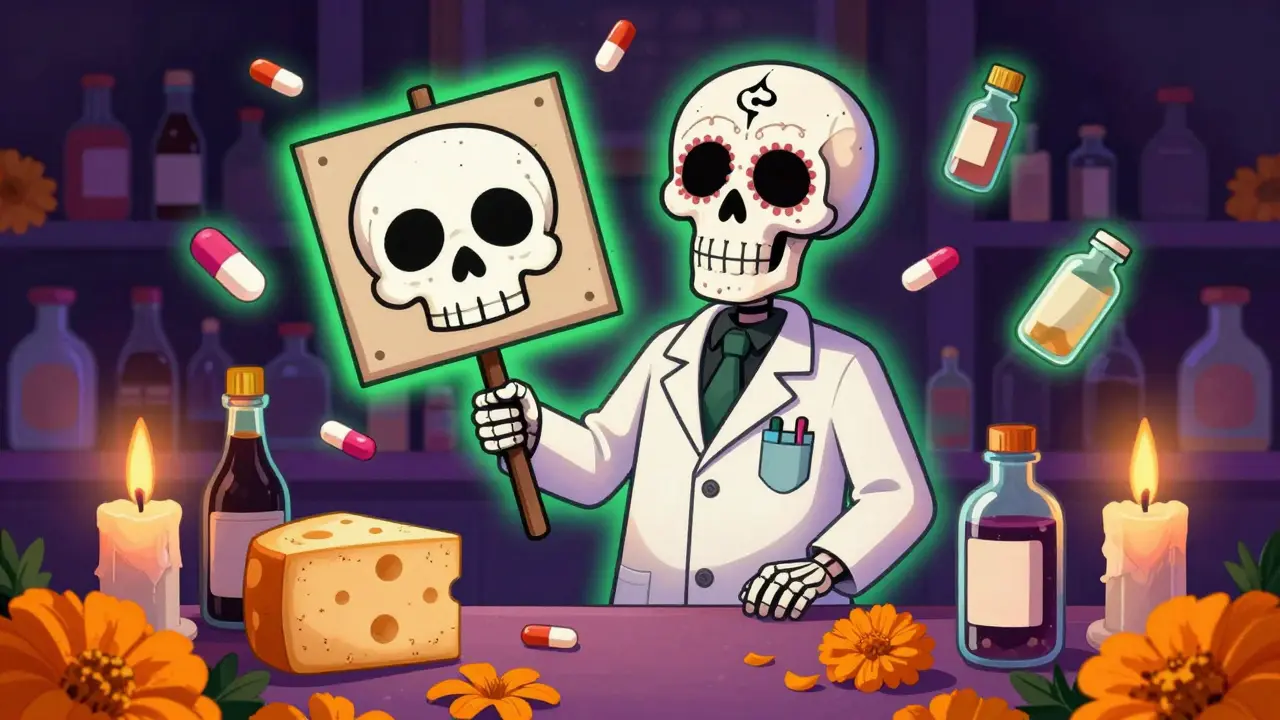
MAO inhibitors can save lives-but one wrong medication or food can trigger a deadly reaction. Learn which common drugs, supplements, and foods are dangerous with MAOIs, and how to stay safe.
Chris Gore Dec 15, 2025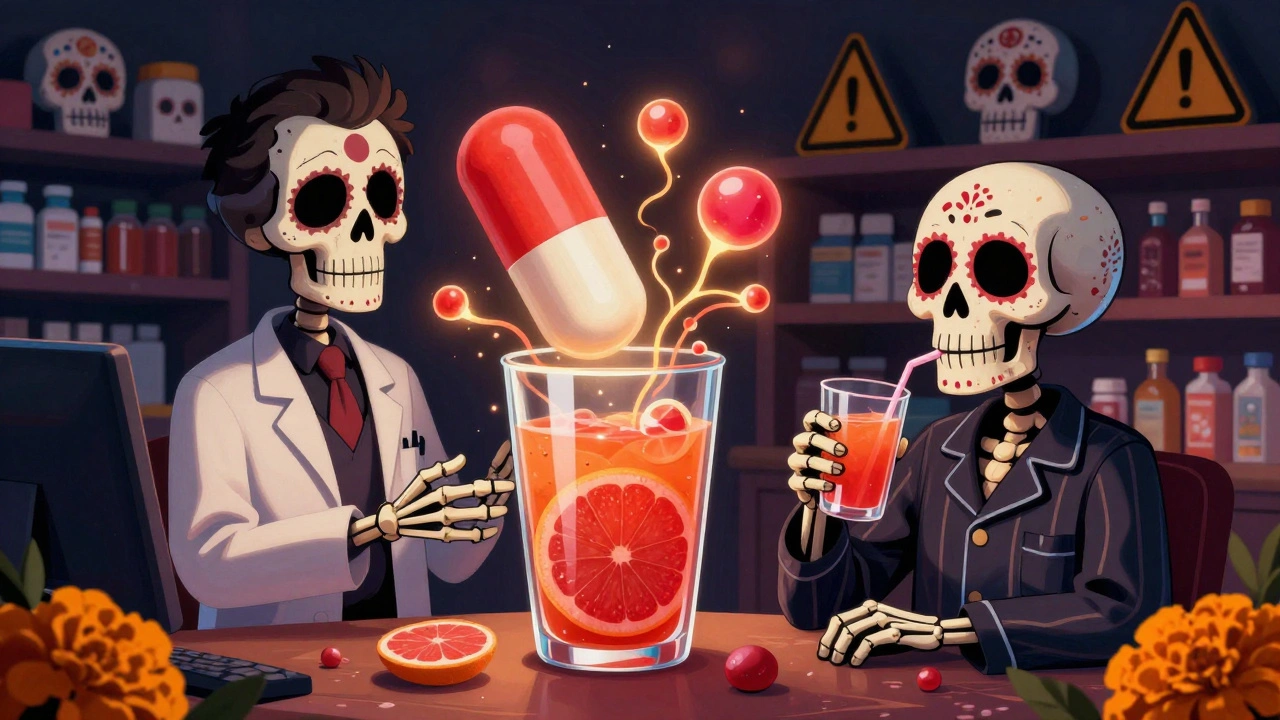
Drug interactions between food, supplements, and medications can cause serious harm-even death. Learn how grapefruit, vitamin K, St. John’s wort, and other common items can clash with your prescriptions-and what to do to stay safe.
Chris Gore Dec 3, 2025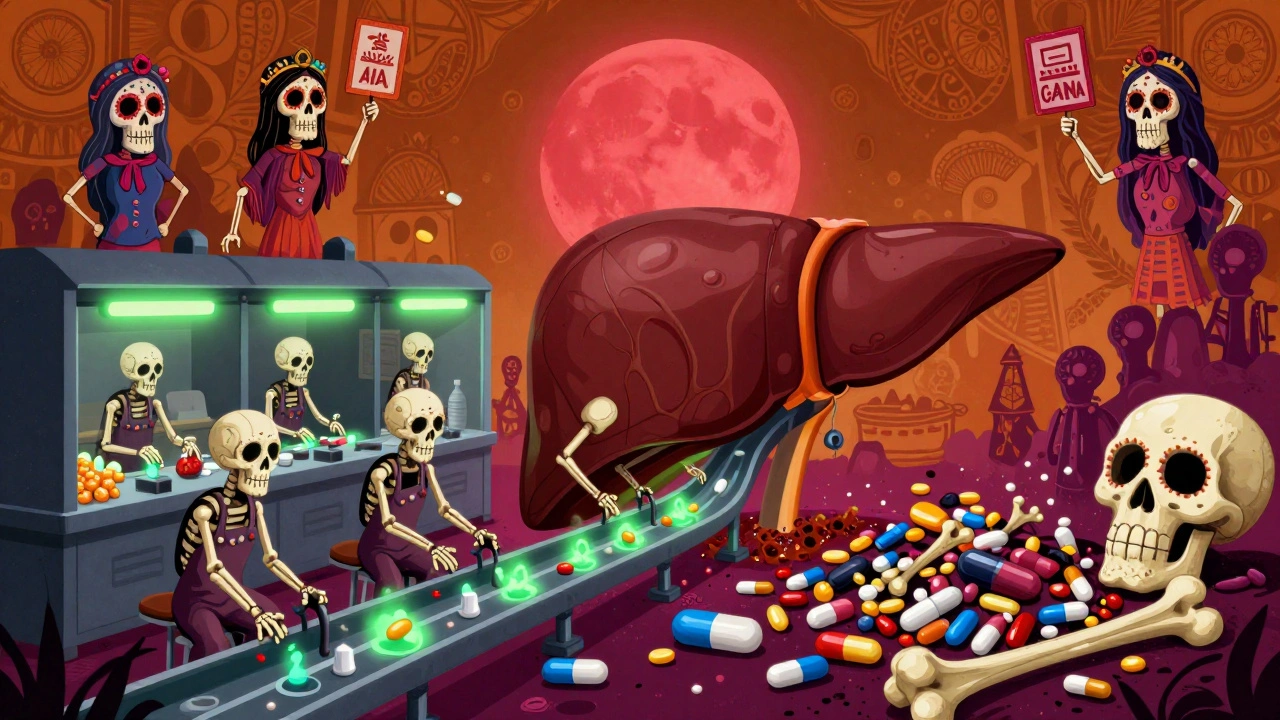
Cyclosporine is a life-saving immunosuppressant, but its interaction with the CYP3A4 enzyme can cause dangerous drug buildups. Learn which medications are risky, how to prevent toxicity, and what to do if you're taking it after a transplant.
Chris Gore Dec 1, 2025