

How to Prevent Overdose in People with Substance Use Disorders
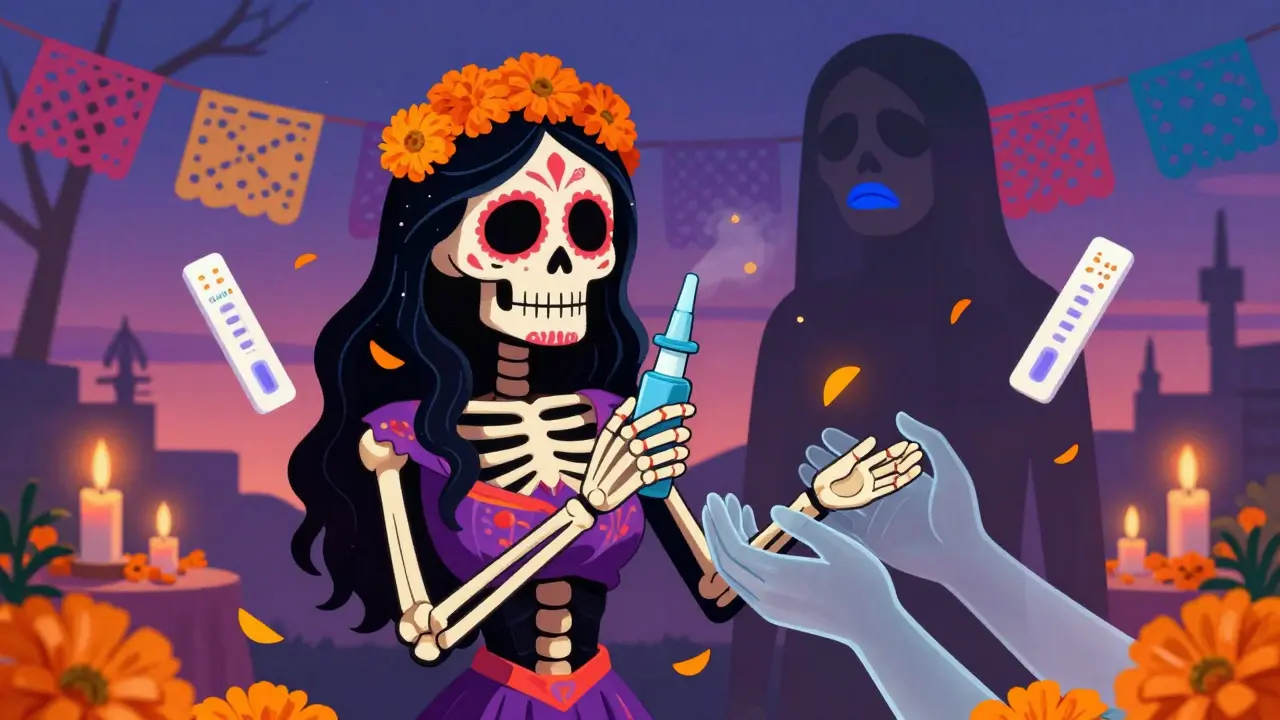
Every year, more than 70,000 people in the U.S. die from drug overdoses. Most of these deaths are preventable. The biggest killer? Fentanyl - a synthetic opioid so potent that just two milligrams can stop someone’s breathing. It’s hidden in pills, powders, and even drugs people think they’re buying, like cocaine or Xanax. If someone you care about uses substances, knowing how to prevent an overdose isn’t just helpful - it could save their life.
Understand the Real Risk: It’s Not Just Opioids Anymore
People used to think overdoses only happened with heroin or prescription painkillers. That’s not true anymore. Since 2016, fentanyl has taken over. It’s cheap, easy to make, and often mixed into other drugs without the user’s knowledge. In 2022, fentanyl was involved in about 80% of opioid-related overdose deaths. But it’s not just opioids. The CDC found that 78% of overdose deaths in 2022 involved multiple drugs - like fentanyl mixed with methamphetamine, cocaine, or benzodiazepines. Even worse, a new drug called xylazine (sometimes called "tranq") is showing up in drug supplies. It’s not an opioid, so naloxone won’t reverse it. That means even if someone has naloxone, it might not be enough.Get Naloxone Now - And Know How to Use It
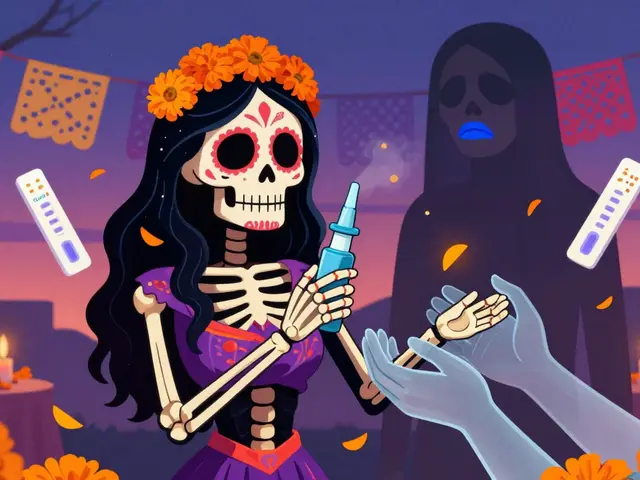
Naloxone is the only medication that can reverse an opioid overdose. It works fast - usually within 2 to 5 minutes. It’s safe, non-addictive, and has no effect if someone hasn’t taken opioids. The FDA approved the first over-the-counter naloxone nasal spray (Narcan) in March 2023. That means you can buy it at pharmacies without a prescription. You don’t need to be a medical professional to use it.- Keep naloxone where you can find it fast - in your wallet, purse, or car.
- Train everyone around you: family, friends, even coworkers. A Johns Hopkins study found 95% of people remember how to use it six months after training.
- One dose isn’t always enough. Fentanyl is so strong that sometimes you need two or three doses. Always call 911 after giving naloxone.
- Don’t wait for symptoms to get bad. If someone is unresponsive, not breathing, or has blue lips, give naloxone immediately.
Use Fentanyl Test Strips Before Using
Fentanyl test strips (FTS) cost less than a dollar each and can detect the drug in powders, pills, or liquids. They’re simple to use: dip the strip in water with a small sample of the drug, wait 15 seconds, and read the result. If there’s a line, the drug is likely safe. If there’s no line, fentanyl is present. These strips don’t tell you how much fentanyl is there - just that it’s present. But that’s enough to make a life-saving choice.- Test every pill, powder, or vape cartridge - even if you’ve used it before.
- Don’t assume "one hit" is safe. A single pill can contain a lethal dose.
- Test strips don’t work for xylazine. If someone uses drugs that might contain tranq, they need to avoid using alone and have someone nearby who can monitor them.
Medication-Assisted Treatment (MAT) Saves Lives
MAT isn’t a cure - it’s treatment. It combines FDA-approved medications with counseling and behavioral therapy. Three medications are used: methadone, buprenorphine, and naltrexone. Methadone and buprenorphine are opioid agonists - they reduce cravings and withdrawal without causing a high. Naltrexone blocks opioids entirely. Studies show that people on MAT are 50% less likely to die from an overdose than those who aren’t.But here’s the problem: only 18.4% of people with opioid use disorder in the U.S. got MAT in 2022. Why? Many places - especially rural areas - have no providers. In 60% of rural counties, there’s not a single doctor who can prescribe buprenorphine. If someone you know is struggling, help them find a MAT provider. The SAMHSA treatment locator can help. And if they’re in jail or recently released? That’s the most dangerous time. Their tolerance drops fast. A 2022 study found people released from incarceration are 120 times more likely to overdose in the first two weeks. MAT before release can cut that risk dramatically.
Never Use Alone - And Use the Hotline
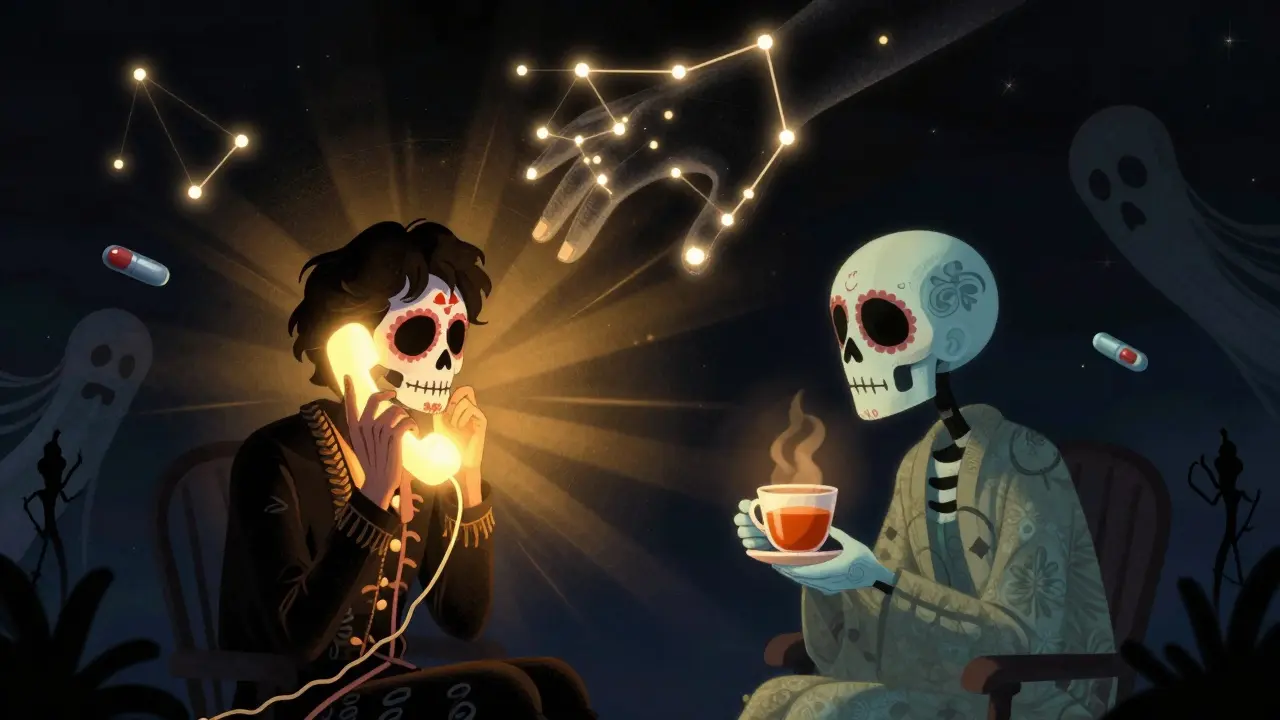
Using alone is one of the biggest risk factors for fatal overdose. If something goes wrong, no one’s there to help. The "Never Use Alone" hotline (1-800-477-4344) lets people call before using. A trained operator stays on the line while they use. If they stop responding, the operator calls 911 and sends help. In 2023, the service received about 12,000 calls per month. It’s free, confidential, and works 24/7. Encourage people to use it - even if they think they "don’t need it."Build a Safety Plan - Simple Steps That Work
A safety plan doesn’t have to be complicated. The New York State Department of Health found that people who use structured safety plans have 28% fewer overdose events. Here’s what to include:- Who to call if something happens (name and number).
- Where naloxone is kept.
- How much to use (start with one dose, then wait 3 minutes before giving more).
- When to call 911 (always call, even after naloxone).
- What to do if the person wakes up (they might relapse - don’t leave them alone).
Write it down. Save it in your phone. Share it with someone you trust. A written plan removes panic in a crisis.
Reduce Harm - Even If You’re Not Ready to Quit
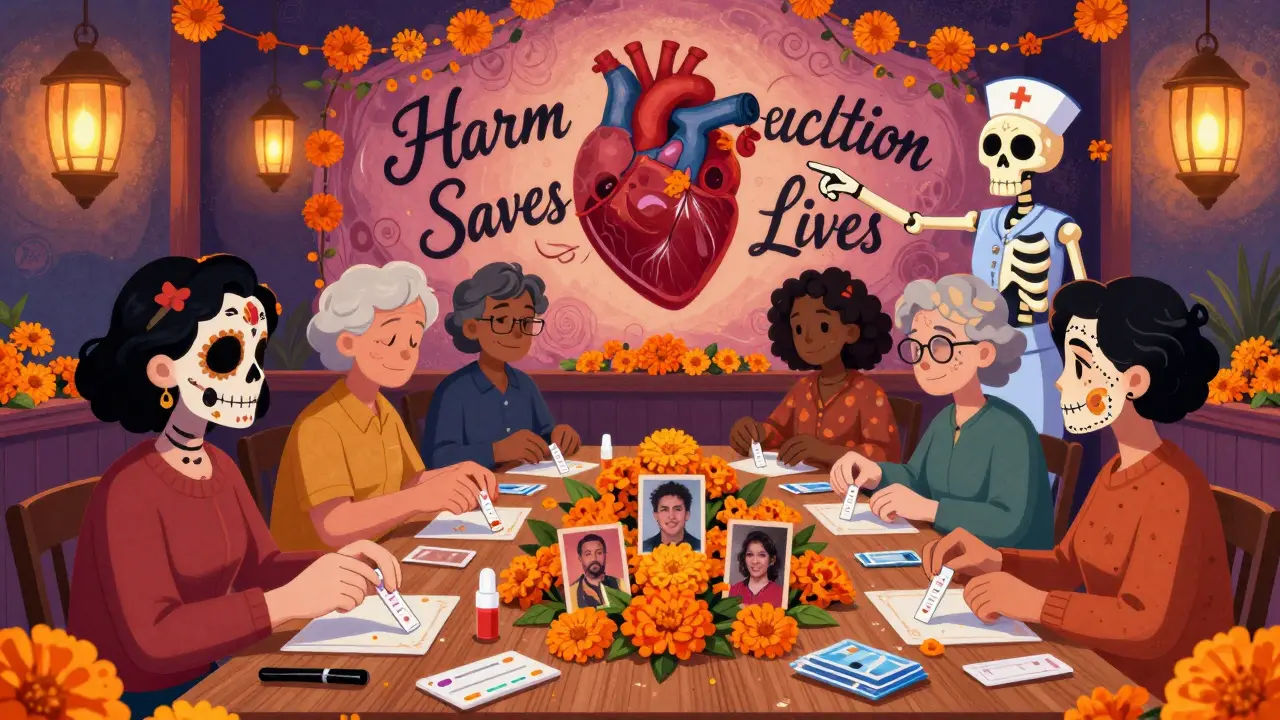
You don’t have to be ready to quit to prevent an overdose. Harm reduction works. It’s not about judging - it’s about keeping people alive so they have a chance to heal. That means:- Using clean needles (to avoid infections like HIV or hepatitis).
- Not mixing drugs (especially alcohol, benzos, or xylazine with opioids).
- Starting with a small amount - "test a little" before using more.
- Having someone nearby, even if they’re not using.
Many people think harm reduction encourages drug use. It doesn’t. It saves lives. And when people are alive, they can find treatment, recovery, and support - when they’re ready.
Break the Stigma - It’s Killing People
Stigma is a silent killer. SAMHSA reports that 41% of people with substance use disorders don’t seek help because they’re afraid of being judged, arrested, or losing their job. But stigma doesn’t just stop treatment - it stops prevention. People won’t carry naloxone if they’re ashamed. They won’t use test strips if they think it makes them a "bad addict." We need to talk about this like a health issue - not a moral failure. If someone you know uses drugs, don’t lecture them. Ask: "Do you have naloxone?" "Have you tested your drugs?" "Who’s with you when you use?" Those questions save lives.What’s Changing in 2026?
The federal government is spending $1.8 billion a year on overdose prevention - up from $100 million in 2016. The CDC’s new 2023-2027 plan focuses on expanding MAT in prisons and jails. Nalmefene, a longer-lasting overdose reversal drug approved in 2022, is now being rolled out in some communities. It lasts 4 to 8 hours - double naloxone’s time - and is especially useful for fentanyl overdoses. Apps like MyNarcan now show nearby naloxone locations and guide users through steps with video. And in 2025, the goal is to increase naloxone distribution by 50% nationwide.But progress is uneven. Rural areas still have 30% higher overdose death rates than cities - and half as many treatment centers. Access to MAT remains a crisis. If you live in a rural county, don’t wait for services to come to you. Learn to use naloxone. Carry test strips. Talk to your local pharmacy. Push for community training. Your actions matter more than policy.
What to Do Right Now
If you care about someone who uses substances, here’s what to do today:- Buy naloxone at any pharmacy - no prescription needed.
- Get fentanyl test strips online or from a local harm reduction center.
- Learn the signs of overdose: unresponsive, slow or no breathing, blue skin, snoring sounds.
- Practice giving naloxone with a training kit (many health departments give them for free).
- Have a conversation: "If you ever use again, I want you to have a safety plan. I’ll help you make one."
You don’t need to fix everything. Just do one thing. Carry naloxone. Teach someone how to use it. Share a test strip. Call someone after they use. Small actions add up. And right now, they’re the difference between life and death.
Can naloxone harm someone who didn’t take opioids?
No. Naloxone only works if opioids are in the system. If someone hasn’t taken opioids, naloxone has no effect. It won’t make them sick or cause side effects. It’s completely safe to give even if you’re unsure.
Is it legal to carry naloxone without a prescription?
Yes. Since March 2023, Narcan (naloxone nasal spray) has been available over-the-counter in all 50 states. You can buy it at pharmacies like CVS, Walgreens, and Walmart without a prescription. Some states also allow distribution through community programs and harm reduction centers.
Do fentanyl test strips work on pills and powders?
Yes. Fentanyl test strips can detect fentanyl in pills, powders, liquids, and even vape cartridges. You dissolve a tiny piece of the substance in water, dip the strip, and wait 15 seconds. They’re not perfect - they can miss very low levels or give false negatives - but they’re the best tool available to check for fentanyl before use.
Can xylazine be reversed with naloxone?
No. Xylazine ("tranq") is not an opioid, so naloxone does not reverse its effects. It’s a sedative that can cause severe tissue damage and slow breathing. If someone has taken xylazine, they need emergency medical help immediately - even if naloxone is given. Watch for signs like extreme drowsiness, low blood pressure, or open sores on the skin.
How do I find a MAT provider near me?
Use the SAMHSA Behavioral Health Treatment Services Locator at samhsa.gov/find-treatment. You can search by zip code and filter for providers who offer buprenorphine, methadone, or naltrexone. Some telehealth services also offer MAT appointments remotely. If you’re in a rural area and can’t find anyone locally, contact your state’s substance abuse agency - they often have mobile clinics or referral networks.
What if I’m afraid to call 911 during an overdose?
Many states have Good Samaritan laws that protect people who call for help during an overdose from being charged with drug possession. The priority is saving a life. Emergency responders are trained to handle overdoses - not to arrest. If you call 911, you’re doing the right thing. And if you’re worried, use the "Never Use Alone" hotline - they can call 911 for you if needed.


Just got my first Narcan kit today 💕. I didn’t even know you could buy it over the counter until I read this. My cousin uses cocaine and I’ve been terrified for years. Now I’m keeping one in my purse and one in my car. If you’re reading this and haven’t gotten one yet… just do it. No excuses.❤️
so like… fentanyl in xanax?? legit?? i thought i was safe bc i only do the blue ones but now im questioning every pill i’ve ever taken 😳. also why is no one talking about how tranq makes your skin rot?? i saw a dude on tiktok with open sores on his legs and i just… i can’t unsee it. pls someone explain this better
THIS IS LIFE-SAVING INFORMATION. Seriously. I work in public health in London and we’re seeing the same trends here - fentanyl creeping into stimulants, xylazine appearing in UK supply chains. We need to treat this like a public health emergency, not a moral crisis. Naloxone should be as common as fire extinguishers. Test strips? Free. Easy. Life-saving. Why aren’t pharmacies giving them out at the register like condoms? We need policy, yes - but we also need community action. Start with one person. Carry one strip. Teach one friend. That’s how change happens.
And if you think harm reduction enables use? Look at the data. People on MAT are 50% less likely to die. Period. Stop judging. Start saving.
Stop coddling drug users. If you’re dumb enough to take something off the street, you deserve what you get. Taxpayers shouldn’t have to fund Narcan, test strips, or ‘Never Use Alone’ hotlines. Just let nature take its course. The world’s better off without the weak.
There’s a deeper layer here that no one’s addressing: why are people using drugs in the first place? Trauma, poverty, systemic neglect - these aren’t just background noise, they’re the root. Harm reduction keeps people alive, yes - but we’re treating symptoms while ignoring the disease. MAT access is a joke in rural America. 60% of counties with zero providers? That’s policy failure, not personal failure. We need structural change, not just strips and sprays. I’m not against naloxone - I’m against pretending it’s enough.
So let me get this straight - we’re giving out free Narcan to people who choose to do drugs… but we won’t give them free therapy? Or a job? Or a home? This is just enabling. You don’t save someone by handing them a spray bottle while they keep burning their life down. What’s next - free pizza for heroin addicts? At some point, personal responsibility has to matter. This isn’t compassion. It’s surrender.
OMG I’m so glad someone finally said this 🙌. I’ve been telling my friends for months - if you’re gonna use, at least TEST YOUR STUFF. And please don’t be a hero and try to ‘hold it together’ - call the hotline. I’ve done it twice. Once for my roommate, once for a stranger on Reddit. Both times, the operator stayed on the line. One guy woke up after two doses. The other? He’s in rehab now. And yes - I bought him a pack of test strips. Because caring isn’t weak. It’s revolutionary.
While the information presented is clinically accurate and aligns with CDC guidelines, I must emphasize the importance of professional medical oversight in substance use treatment. Medication-Assisted Treatment, when delivered under the supervision of licensed providers, remains the gold standard. Community-based harm reduction tools are valuable adjuncts, but they are not substitutes for comprehensive clinical care. I encourage individuals seeking help to consult with board-certified addiction specialists rather than relying solely on over-the-counter interventions.
Y’all are out here acting like we’re in the middle of a zombie apocalypse and Narcan’s the only bullet left. Let’s be real - we’re throwing bandaids at a nuclear reactor. Xylazine isn’t just ‘not reversed by naloxone’ - it’s turning people into walking corpses with necrotic limbs. And don’t get me started on how the DEA’s ‘fentanyl is the enemy’ narrative is letting Big Pharma off the hook. Who’s selling the pills that get laced? Who’s profiting off the panic? This isn’t a public health crisis - it’s a market failure disguised as a morality play. And if you think test strips are the answer? You haven’t seen what’s in the new batches. I’ve seen pills with 10x lethal doses. One strip? That’s like checking the weather before walking into a hurricane.
My brother died of an overdose in 2020. He had naloxone. He had test strips. He had a safety plan. He was alone. I didn’t know until hours later. I wish I’d forced him to use the hotline. I wish I’d made him promise to call me before every time. I wish I’d known about xylazine. I wish I’d known how fast it happens. This post? It’s the post I needed three years too late. If you’re reading this - don’t wait. Talk to them. Carry the spray. Don’t assume they know. Don’t assume they care. Just act. For real.
Are we being lied to? Fentanyl in cocaine? Test strips that don’t catch everything? Naloxone not working on tranq? What if this whole thing is a distraction? What if the real goal is to normalize surveillance? The hotline tracks your location. The test strips are tied to a database. And who funds this? The same corporations that profit from pharmaceutical addiction. I’m not saying don’t use Narcan - I’m saying question everything. Who really benefits from keeping people alive with a spray bottle? The system doesn’t want you well. It wants you dependent - but alive enough to keep consuming.
It is imperative to recognize that the framework of harm reduction, while commendable in its intent, must be contextualized within broader sociopolitical structures. The proliferation of over-the-counter naloxone and fentanyl test strips represents a pragmatic, albeit temporizing, response to a systemic collapse in healthcare infrastructure. One must not confuse accessibility with adequacy. While these interventions mitigate acute mortality, they do not address the underlying determinants of substance use disorder - economic disenfranchisement, intergenerational trauma, and the commodification of mental health. To rely solely on these tools is to engage in therapeutic minimalism. Sustainable change requires institutional investment in community-based care, decriminalization, and universal access to MAT - not merely distribution of emergency kits. The moral imperative is not to keep people alive, but to ensure they are living with dignity.
THIS IS A COVERT GOVERNMENT OPERATION. 😱
Think about it - why NOW? Why are they suddenly making Narcan available everywhere? Why are they pushing test strips? Why are they hyping up ‘tranq’ like it’s some new monster? Because they’re preparing for mass control. The hotline? It logs your location, your voice, your usage patterns. The test strips? They’re linked to biometric databases. The ‘Never Use Alone’ program? It’s a tracker. And the real goal? To identify every single person who uses drugs - and then, when the time comes - use it as an excuse to lock them up under ‘public safety’ laws. They’re not trying to save you. They’re trying to catalog you. The CDC? The DEA? The FDA? All part of the same machine. Don’t fall for it. Carry your Narcan if you want - but don’t trust the system that gave it to you.