

Child Medication Switches: What Parents Need to Know About Generic Substitutions
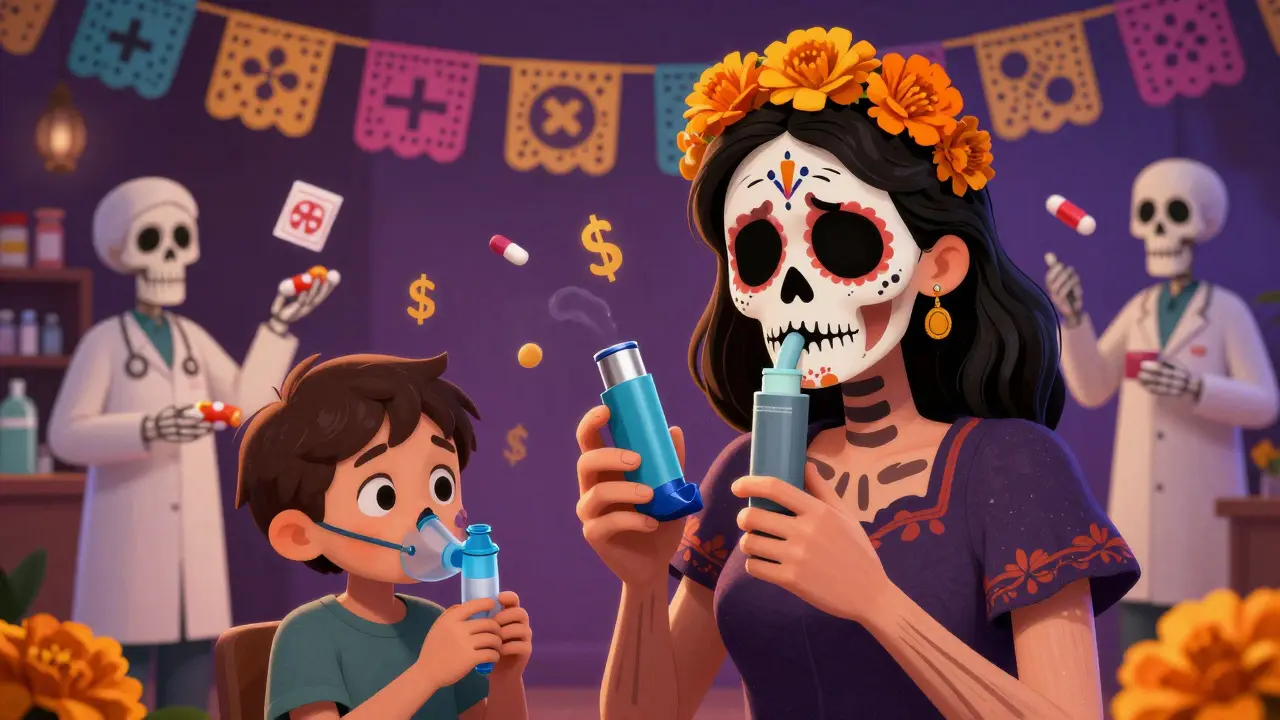
When your child’s asthma inhaler suddenly looks different - smaller, lighter, maybe even a different color - it’s easy to assume it’s the same medicine. But in many cases, it’s not. Insurance companies and pharmacies are switching brand-name pediatric medications to cheaper generics without telling you. And for kids, that small change can have big consequences.
Why Generic Switches Are Common in Pediatrics
Generic drugs make up about 90% of all prescriptions filled in the U.S. That’s because they cost far less. For insurers, switching a child’s brand-name medication to a generic saves money - sometimes hundreds of dollars per prescription. But here’s the problem: these switches aren’t always based on what’s safest for a child’s body. The FDA says generics must be “bioequivalent” to the brand-name version. That means the active ingredient is the same, and the amount absorbed into the bloodstream should fall between 80% and 125% of the original. Sounds fair, right? But that range is wide. For a child on a drug with a narrow therapeutic index - like seizure meds, transplant drugs, or heart medications - even a 15% drop in blood levels can be dangerous. A 2015 study of pediatric heart transplant patients found that switching from brand-name tacrolimus to generic versions led to an average 14% drop in blood trough levels. That’s not a small fluctuation. It’s enough to increase the risk of organ rejection. And these kids aren’t adults with stable metabolism. Their bodies are still growing, changing how they absorb, process, and clear drugs.Why Kids Are Different - And Why It Matters
Children aren’t just small adults. Their livers, kidneys, and digestive systems mature at different rates. A drug that works perfectly in a 30-year-old might behave completely differently in a 6-month-old. Take omeprazole, a common acid reducer for babies with reflux. The FDA itself points out that infants under 3 months clear this drug mostly through an enzyme called CYP2C19 - which isn’t fully developed until around 6 to 12 months of age. So even if a generic omeprazole suspension passes adult bioequivalence tests, it might not work the same way in a 4-month-old. The brand-name version, Prevacid, was tested specifically in infants. The generic? Often not. The same goes for asthma inhalers. Many generics use different propellants or delivery devices. A child who’s been using a specific inhaler for years might struggle with a new one - not because they’re not following instructions, but because the device feels different, the spray timing is off, or the powder clumps differently. Studies show technique errors can cut drug delivery by 50% to 80%. That means your child isn’t getting the full dose - even if the pill looks identical.What Changes Actually Trigger Problems
It’s not just the active ingredient. Inactive ingredients - the fillers, dyes, flavors, and stabilizers - matter too, especially for kids with allergies or sensitivities. One case involved a 7-year-old with epilepsy who had been stable on a brand-name seizure drug for two years. After a switch to a generic, the child started having more frequent seizures. The doctor suspected a dye. Turns out, the generic used a red dye the brand version didn’t. When switched back, the seizures stopped. Another common issue is dosage form. A child on a liquid version of a medication might be switched to a tablet they can’t swallow. Or a chewable tablet might be replaced with a capsule that’s too big. These aren’t just inconveniences - they lead to missed doses, poor adherence, and worsening symptoms. PolicyLab at Children’s Hospital of Philadelphia found that after a formulary switch, caregiver confusion about the new medication caused adherence to drop by 15% to 20%. That’s not because parents are careless. It’s because they’re being asked to manage a change they didn’t ask for - with no clear explanation.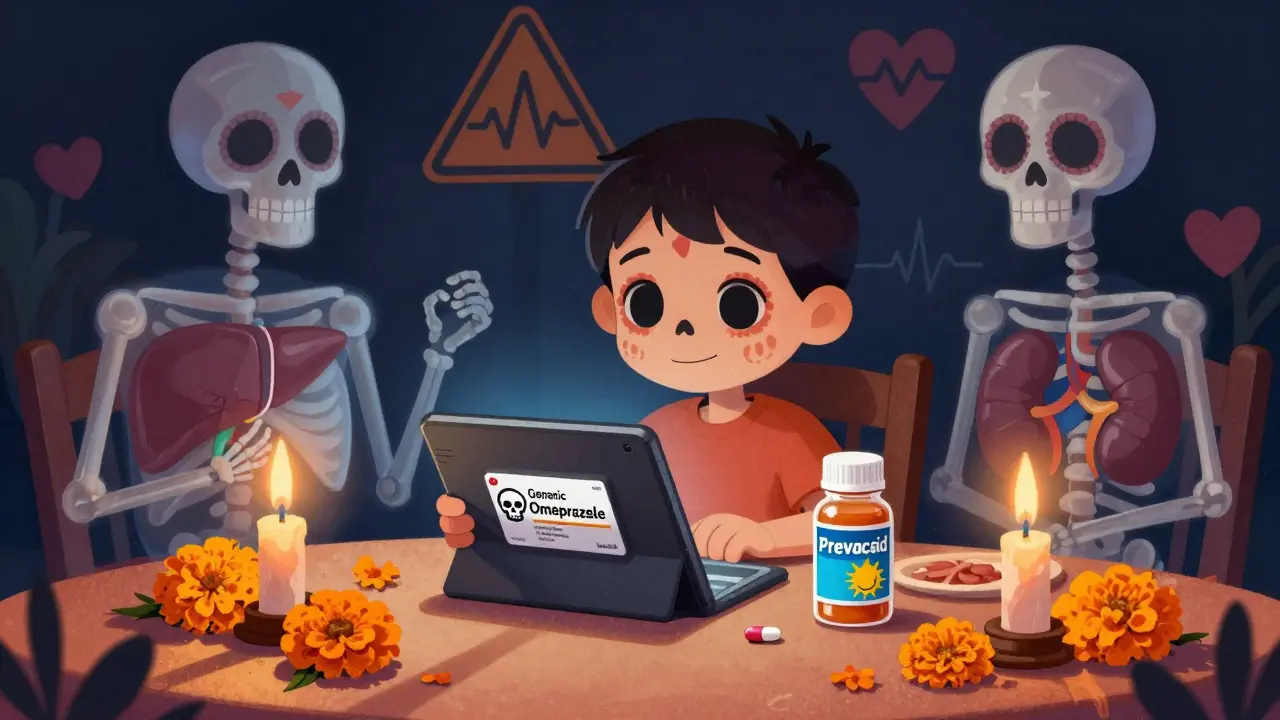
Therapeutic Areas Where Switching Is Riskiest
Some medications are just too sensitive to switch. The FDA lists these as high-risk for children:- Antiepileptic drugs (AEDs) - Even small changes in blood levels can trigger seizures.
- Immunosuppressants - Like tacrolimus or cyclosporine after transplant. A drop in levels = rejection risk.
- Psychiatric medications - Antidepressants, ADHD meds, antipsychotics. Kids can have sudden mood shifts or behavioral changes.
- Cardiac drugs - Especially digoxin or warfarin. These have very narrow safety margins.
- Oncology drugs - Even slight variations can reduce effectiveness or increase toxicity.
State Laws Vary - And That’s a Problem
There’s no national rule for how generic switches are handled for kids. In 19 states, pharmacists are required to substitute generics without telling you. In 7 states and Washington, D.C., they must get your consent first. In 31 states, they just have to notify you - often with a printed slip you might not even read. A 2009 study showed that states requiring consent had 25% fewer generic switches. That proves one thing: when parents are involved, switches happen less - and when they do, they’re safer. California passed a law in 2022 requiring Medicaid plans to have pediatric-specific review committees before changing formularies. That’s a step forward. But most states still don’t have any special protections for kids.What You Can Do - Practical Steps for Parents
You don’t have to accept a switch blindly. Here’s what works:- Ask before the switch - If your pharmacy calls to say your child’s medication is changing, ask: “Is this a generic? Was it tested in children?”
- Check the label - Look for the manufacturer’s name. If it’s different from what your child has been taking, ask why.
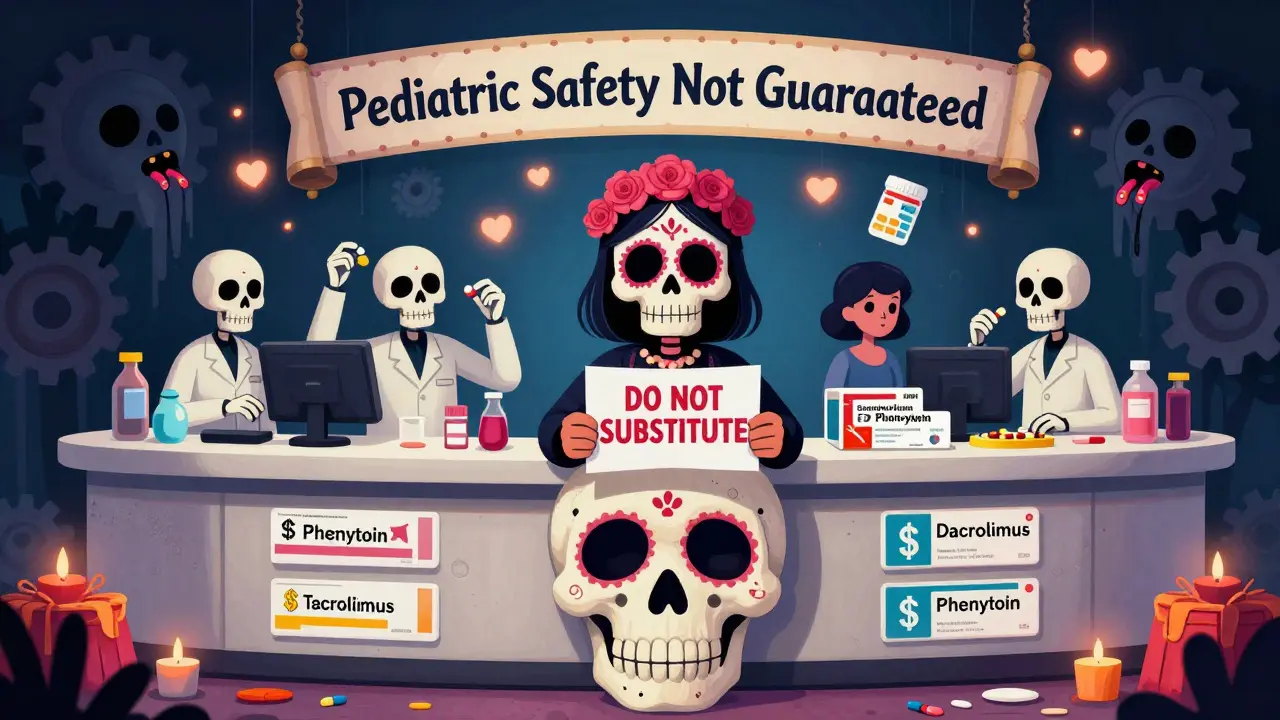
- Request the brand - If your child is stable, ask your doctor to write “Dispense as Written” or “Do Not Substitute” on the prescription. This legally blocks the pharmacist from switching.
- Track symptoms - Keep a simple log: sleep, behavior, seizures, asthma attacks, vomiting. Note when the switch happened. Bring it to the next appointment.
- Call your insurer - Ask for a copy of their formulary. See if the switch was driven by cost. If so, ask for an exception based on medical necessity.
The Bigger Picture - Why This Isn’t Fixed Yet
The FDA approved over 1,200 generic drugs between 2010 and 2020. Only 12% of those included any pediatric bioequivalence data. Why? Because testing drugs in children is expensive, slow, and ethically complex. The system was built for adults. Insurance companies don’t track outcomes. They track costs. A switch that saves $50 a month looks like a win - even if it leads to an ER visit three months later. And by then, the insurance plan has already moved on to the next cheap drug. The American Academy of Pediatrics says this is a lost opportunity. Every time a generic is switched without pediatric data, we lose a chance to learn how drugs really work in kids. We’re not just saving money - we’re risking their health.What’s Changing - And What’s Next
There’s growing pressure to fix this. The FDA’s 2022 Pediatric Formulation Initiative is pushing for better drug designs for children. The PREEMIE Reauthorization Act of 2023 includes funding for pediatric drug development. And the AAP is finalizing new guidelines on generic prescribing expected in late 2024. But until the FDA requires pediatric-specific bioequivalence testing - especially for narrow-therapeutic-index drugs - the risk stays high. And until insurers are held accountable for outcomes, not just savings, switches will keep happening without consent. For now, the best protection is knowledge. Know your child’s medication. Know your rights. Ask questions. Don’t assume a cheaper pill is the same one.Can a generic medication cause side effects my child didn’t have before?
Yes. While the active ingredient is the same, generics can use different inactive ingredients like dyes, fillers, or flavorings. Some children are sensitive to these. A child with epilepsy, for example, might start having more seizures after switching to a generic that uses a red dye not found in the brand version. Changes in dosage form - like switching from a liquid to a tablet - can also lead to underdosing if the child can’t swallow it properly.
Is it legal for a pharmacy to switch my child’s medication without my permission?
It depends on your state. In 19 states, pharmacists are required to substitute generics without asking. In 7 states and Washington, D.C., they must get your consent first. In most other states, they just need to notify you - often with a small slip of paper that’s easy to miss. If you want to block a switch, ask your doctor to write “Dispense as Written” or “Do Not Substitute” on the prescription. That legally prevents the pharmacy from changing it.
Which types of medications are most dangerous to switch in children?
The FDA and pediatric experts flag several high-risk categories: antiepileptic drugs (like phenytoin), immunosuppressants (like tacrolimus after transplant), psychiatric medications (like SSRIs or stimulants), cardiac drugs (like digoxin), and chemotherapy agents. These drugs have narrow therapeutic windows - meaning small changes in blood levels can cause serious harm. Even a 10% drop in concentration can lead to seizures, organ rejection, or behavioral crises.
Why don’t generics get tested in children like brand-name drugs do?
Testing drugs in children is expensive, time-consuming, and ethically complex. The FDA’s bioequivalence standards were designed for adults in the 1980s. Since generics are copies of existing drugs, manufacturers aren’t required to do new pediatric studies. Most generics are approved based on adult data - even when used in infants or toddlers. As a result, only about 12% of generic approvals between 2010 and 2020 included any pediatric-specific testing.
What should I do if my child’s medication was switched without warning?
First, check the label for the manufacturer’s name. If it’s different, contact your pharmacy and ask why the change was made. Then call your child’s doctor - even if they seem fine. Document any changes in behavior, sleep, seizures, breathing, or appetite. If symptoms worsen, ask to switch back. You have the right to request the original medication, especially if your child is stable on it. If your insurer refuses, ask for a medical exception based on documented health impact.

My kid’s inhaler changed and I didn’t even notice until he started wheezing at night. I thought he was just sick. Turns out the new generic didn’t spray right. He was getting half the dose. I cried. I felt so guilty. Why didn’t anyone tell us?
Now I check every single pill. Every time. Even if it’s the same name. I’m done trusting pharmacies.
Oh sweet Jesus. This is what happens when you let corporate bean counters run healthcare. The FDA’s ‘bioequivalent’ loophole is a joke. 80% to 125%? That’s not medicine, that’s Russian roulette with a 45% chance your kid’s seizure meds suddenly turn into sugar pills.
And don’t get me started on the dye thing. Red dye. In a kid’s seizure med. Are they trying to kill them or just make them look like a Halloween costume?
This isn’t about cost. It’s about negligence dressed up as policy.
The ethical and scientific implications of pediatric generic substitution extend far beyond pharmacokinetic variability. The absence of pediatric-specific bioequivalence data represents a systemic failure in translational medicine.
Children are not miniature adults. Their developing organ systems, enzyme expression profiles, and pharmacodynamic thresholds demand tailored clinical evidence. The current regulatory framework, rooted in 20th-century adult-centric paradigms, is fundamentally inadequate for 21st-century pediatric care.
Until bioequivalence standards are recalibrated for developmental pharmacology, we are not practicing evidence-based medicine-we are practicing institutionalized risk.
I’m a pediatric pharmacist. I see this every single day.
One mom came in because her 5-year-old with ADHD started zoning out after the switch to generic methylphenidate. We checked the label-same active ingredient, different filler. The new one had corn starch. Kid had a mild sensitivity. Stopped the generic. Went back to brand. Within 48 hours, focus was back.
Another kid’s seizure med switched. Mom didn’t notice until he had three seizures in one week. The generic had a different coating. Slowed absorption. Blood levels dropped 18%.
We don’t have the data. We don’t get the time. But we see the consequences. Every. Single. Day.
Doctors can’t fight this alone. Parents need to be armed. And pharmacists? We’re stuck in the middle.
I didn’t know you could ask for the brand name even if it’s more expensive i just thought we had to take whatever the pharmacy gave us now im going to call my doc tomorrow and ask for do not substitute 🙏
Why are we even letting foreigners decide what our kids take? This is why America’s healthcare is falling apart. We used to make our own drugs. Now some factory in India or China makes a copy and we’re supposed to trust it? No way.
My kid’s asthma meds were switched. I called the pharmacy. They said ‘it’s FDA approved.’ I said ‘so was the Titanic.’
Buy American. Or your kid pays the price.
Did you know the FDA approves generics using data from animals? That’s right. Not human children. Not even human adults. Animals.
And the dye thing? It’s not just red dye. It’s talc, titanium dioxide, and artificial flavors linked to neurotoxicity. Big Pharma and the FDA are in bed together. They don’t want you to know this.
My son had panic attacks after the switch. We traced it to the coloring. Now I buy all meds from a compounding pharmacy. Costs more. But my kid’s alive.
They’re poisoning our children and calling it ‘cost savings.’
Let’s be real. The entire generic drug system is a Ponzi scheme built on the backs of children. The FDA doesn’t test for pediatric outcomes because it would cost too much. Insurance companies don’t track long-term effects because they don’t care.
Meanwhile, the same people who push these switches are the ones on corporate boards who get bonuses for cutting costs.
We’re not talking about a $30 savings. We’re talking about ER visits, missed school, developmental regression, and PTSD from watching your kid seize because someone decided ‘close enough’ is good enough.
This isn’t healthcare. It’s profit-driven neglect with a medical license.
bro this is wild i just thought the pills were the same like why would they change it if it works?? my daughter started acting weird after the switch and i thought she was just being a brat turns out the generic had a different flavor and she refused to take it for 2 weeks and i had to force it and now she cries when she sees the medicine i feel so bad
This is such an important issue, and it’s heartbreaking that it’s not more widely discussed. I’m from the UK, and while we have a national health service, we still see similar pressures around generics. The challenge is always balancing cost with safety-but children should never be the compromise.
I hope more parents feel empowered to ask questions. Knowledge is the first step toward change.
OMG I had no idea!! 😱 My son’s seizure med switched last month and I thought he was just tired. I’m calling the pharmacy first thing tomorrow. Thank you for this post 🙏❤️
this is why i dont trust any medicine anymore. they switch stuff and then act like its no big deal. my cousin’s baby died after a generic switch and no one even talked about it. just another kid. just another cost saving. sick.
Here’s the real conspiracy: The FDA doesn’t ban these switches because they’re owned by the same people who own the big pharma companies that make the generics.
Think about it. Why would they fix a system that makes them billions?
They want you scared. Scared enough to keep buying the brand name. But not scared enough to revolt.
Wake up. This isn’t medicine. It’s a market manipulation scheme.
i just learned about this today and now im checking every pill my daughter takes. i never knew i had the right to say no. thank you for sharing this. i hope more parents see this
So let me get this straight. We let a pharmacist swap out a life-saving drug for a cheaper version… and then we blame parents when the kid gets worse?
Meanwhile, the insurance company made $47 on the switch and the pharmacy got a 15% kickback.
Y’all are the real villains. Not the mom who asks questions.
Keep asking. Keep fighting. And if they say no? File a complaint. And then file another one. And another. Until they get the message.