

Authorized Generics: How Brand Drug Companies Respond to Patent Expiration
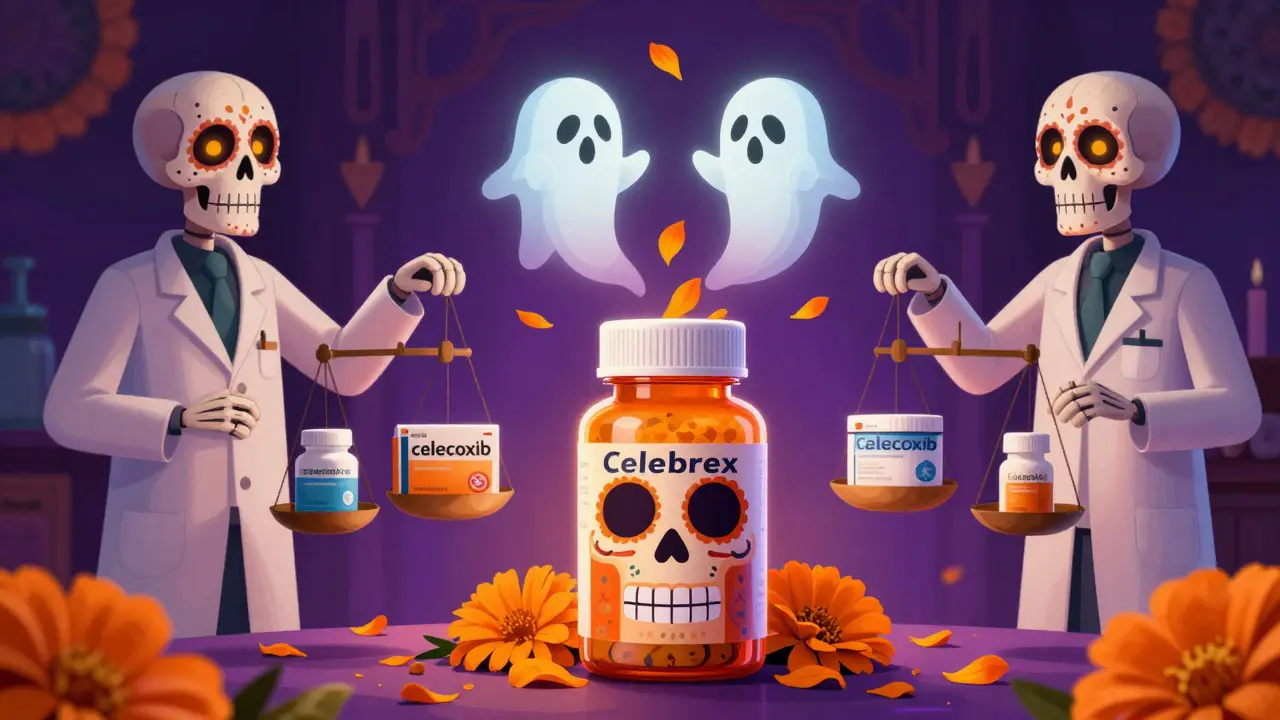
When a brand-name drug’s patent runs out, the market doesn’t just open up to generic competitors-it gets messy. That’s where authorized generics come in. These aren’t your typical generics. They’re the exact same pills, capsules, or injections made by the original brand company, just sold under a different label. No brand name. No fancy packaging. Same active ingredients. Same inactive ones too. And they hit the market at the exact moment the patent expires, often before any other generic can even get started.
What Exactly Is an Authorized Generic?
An authorized generic is a version of a brand-name drug produced by the same company that made the original, but sold without the brand name on the bottle. Think of it like a car manufacturer selling the exact same model under a private label to a discount dealership. The engine, the seats, the paint-it’s all identical. The only difference? The badge on the hood is gone.
Unlike regular generics, which must prove they’re bioequivalent through a lengthy FDA process called an ANDA (Abbreviated New Drug Application), authorized generics don’t need to prove anything. They’re already approved. They’re made under the original New Drug Application (NDA). The FDA doesn’t require a new approval because it’s the same product. That’s why they’re not listed in the Orange Book-the official FDA directory of approved generics. They’re not technically generics in the regulatory sense. They’re the brand drug in disguise.
For example, if you used to take Celebrex for arthritis, you might now get celecoxib from Greenstone Pharmaceuticals. Same pill. Same dose. Same fillers. Just a different label. The same goes for Concerta (methylphenidate ER) and its authorized generic from Actavis, or Colcrys (colchicine) and its version from Prasco. Patients often don’t notice a difference because there isn’t one.
Why Do Brand Companies Do This?
It’s not altruism. It’s strategy.
When a patent expires, the first generic company to file gets 180 days of exclusive rights to sell the generic version. That’s a huge advantage. But during that window, the brand company can launch its own authorized generic-and suddenly, it’s competing against itself. That’s the move.
By doing this, the brand company cuts off the first generic’s monopoly. Instead of one generic company dominating the market and driving prices down slowly, now there are two versions: the first generic and the brand’s own version. That drives prices down faster. The Federal Trade Commission found that in markets where authorized generics entered during the 180-day exclusivity period, prices dropped 15-20% more than in markets without them.
But here’s the twist: the brand company still makes money. They keep a slice of the market. They keep their manufacturing lines running. They keep their revenue stream alive. And they avoid the risk of losing their entire customer base to a competitor.
According to a 2022 study in Health Affairs, 854 authorized generics were launched between 2010 and 2019. Nearly 70% of those were introduced before or during the 180-day exclusivity window. That’s not coincidence. That’s a playbook.
Authorized Generics vs. Regular Generics: The Real Differences
Many people think all generics are the same. They’re not.
Regular generics only need to match the active ingredient. The fillers, dyes, and binders can be different. That’s usually fine. But for some drugs-like thyroid meds, seizure drugs, or blood thinners-those inactive ingredients matter. A tiny change can throw off absorption. Patients stabilized on brand-name drugs sometimes have trouble switching to a regular generic. That’s why authorized generics are so valuable for these cases.
Take levothyroxine. If you’re on Unithroid and switch to a regular generic, your TSH levels might fluctuate. Switch to the authorized generic? Same formula. Same results. No adjustment needed.
Here’s how they stack up:
| Feature | Authorized Generic | Regular Generic |
|---|---|---|
| Manufacturer | Same as brand-name drug | Separate generic company |
| Active Ingredients | Identical | Identical |
| Inactive Ingredients | Identical | May differ |
| FDA Approval Path | Under brand’s NDA | ANDA required |
| Appears in Orange Book? | No | Yes |
| Price vs. Brand | 20-50% lower | 50-80% lower |
Authorized generics aren’t the cheapest option-but they’re often the most reliable. That’s why pharmacy benefit managers like Express Scripts and OptumRx prefer them for high-risk medications. They know patients are less likely to have issues.
The Controversy: Is This Fair?
Not everyone sees authorized generics as a win.
The Generic Pharmaceutical Association (GPhA) argues they’re a tactic to delay real competition. If the brand company launches its own generic right away, the first generic company doesn’t get to enjoy its 180-day monopoly. That’s the whole point of the Hatch-Waxman Act-to reward innovation in generic manufacturing. If the brand company steals that reward, the incentive to enter the market weakens.
Dr. Jerry Avorn from Harvard called it a "sophisticated market manipulation strategy." He’s not wrong. Brand companies are using the system’s rules to protect their profits. They’re not breaking the law. But they’re not exactly playing fair either.
On the flip side, the Pharmaceutical Research and Manufacturers of America (PhRMA) says authorized generics increase choice. And they do. Patients get more options. Prices drop faster. For people on tight budgets, that’s huge.
The FTC’s 2011 report concluded that, overall, authorized generics benefit consumers by lowering prices. But they also warned that the practice could discourage new generic entrants. That’s why the FTC is now studying whether things have changed since 2011. Preliminary findings are due in early 2026.
What Patients and Pharmacists See
Patients are confused.
One Reddit user wrote: "I got this ‘generic’ but it looks identical to the brand I used before-is this actually generic?" That’s the problem. Authorized generics look and feel like the brand. So patients don’t understand why they’re paying less-or why their insurance is switching them to it.
Pharmacists are caught in the middle. A 2020 survey found that 68% of pharmacists say patients regularly ask about the difference between authorized generics and regular generics. Many patients assume "generic" means "cheaper and different." But with authorized generics, that’s not true.
Independent pharmacies report billing issues too. Because authorized generics aren’t listed in the Orange Book, some pharmacy systems don’t recognize them as generics. That leads to claim denials or incorrect pricing. Epic Systems added a special flag for authorized generics in their 2021 update-and saw a 67% drop in errors. But not all systems have caught up.
Training is still lacking. AmerisourceBergen’s data shows 73% of pharmacy technicians needed 2-3 weeks of extra training to handle authorized generics correctly. That’s a gap.
Where This Is Headed
The FDA’s latest list of authorized generics, updated in October 2025, now includes 1,247 products. That’s up from just over 800 in 2020. The trend is growing.
By 2027, Evaluate Pharma predicts 45% of major branded drugs will have authorized generics launched within a year of patent expiry. That’s up from 32% in 2022. CNS drugs like antidepressants and ADHD meds lead the pack-67% adoption-because consistency matters most there.
But there’s pushback. In 2023, Congress introduced the "Promoting Competition in Pharmaceutical Markets Act," which would block brand companies from launching authorized generics during the 180-day exclusivity window. If it passes, the whole dynamic changes.
Some analysts think this is the peak. Bernstein Research believes the strategy will lose its edge by 2027 as more generics enter the market and the financial benefit shrinks. Others, like Jefferies, say brand companies will keep using it as long as the rules allow.
One thing’s clear: authorized generics aren’t going away. They’re a permanent feature of the drug market now.
What You Should Know
If you’re on a brand-name drug and your pharmacy switches you to a cheaper version, ask: Is this an authorized generic?
It might look the same. It might cost less. But if it’s authorized, you’re getting the exact same medicine-no surprises. That’s a good thing if you’re sensitive to formulation changes.
If you’re on a narrow therapeutic index drug-thyroid, epilepsy, warfarin, digoxin-stick with the authorized generic if it’s available. It’s the safest switch.
And if you’re confused? Ask your pharmacist. They’re the ones who know the difference. And if your pharmacy doesn’t know? That’s the real problem.

Authorized generics are a regulatory loophole dressed as consumer protection. The FDA treats them as the brand drug under the NDA, which means they bypass bioequivalence testing entirely. That’s not transparency-that’s sleight of hand. Patients think they’re getting a generic, but they’re getting the exact same pill with a different label. No wonder pharmacy systems glitch-they’re not coded for this kind of deception.
The 180-day exclusivity window was meant to incentivize generic manufacturers to challenge patents, not to be hijacked by the brand itself. This is corporate arbitrage dressed as market efficiency.
This is actually really interesting. I never realized that the same pill could be sold under two different names. In India, generics are just cheaper versions, but this is like a brand hiding in plain sight. Makes me wonder how many other industries do this.
It is imperative to note, with due deference to the regulatory architecture of the United States Food and Drug Administration, that the utilization of authorized generics constitutes a strategic maneuver that undermines the foundational intent of the Hatch-Waxman Act. The legislative framework was designed to foster competition through independent generic manufacturers, not to permit monopolistic entities to co-opt the very mechanism intended to dismantle their exclusivity.
Furthermore, the absence of these products from the Orange Book represents a profound opacity in pharmaceutical labeling and pricing transparency. This is not innovation-it is obfuscation masked as efficiency.
One must also consider the ethical implications for patients who are unaware that their "generic" is, in fact, the original formulation. Informed consent is compromised when labeling fails to disclose origin. This is not a market practice; it is a violation of pharmaceutical ethics.
It is therefore incumbent upon regulatory bodies to reclassify authorized generics as branded products under new nomenclature, or to mandate full disclosure on packaging. Anything less is a dereliction of duty.
So the pharma companies are like "oh hey we made a generic version of our own drug lol" and then act surprised when people are mad? 🙄
Meanwhile I’m over here trying to figure out if my thyroid pill is the same as last month and why my insurance keeps switching it.
So we’ve turned medicine into a game of musical chairs where the brand company owns all the chairs and just moves the label around when someone else tries to sit down
It’s not capitalism it’s theater with pill bottles
And yet somehow we’re supposed to be grateful they’re "lowering prices"
Meanwhile the guy who actually developed the generic version gets kicked out of the room before he even gets a seat
The FTC data is clear-authorized generics drive prices down faster, and for patients on narrow therapeutic index drugs, the consistency matters more than the price difference
Yes, it’s a corporate tactic, but if it keeps people from having a seizure because their levothyroxine formulation changed, then maybe the system isn’t broken-it’s just being exploited in a way that accidentally helps
It’s not ideal, but it’s better than letting one generic company hold the market hostage for six months while everyone waits
The real problem? Pharmacy systems that still don’t recognize them as generics. That’s a tech failure, not a moral one
Let’s unpack this from a pharmacokinetic perspective: since authorized generics share the exact same excipients and manufacturing process as the brand, their dissolution profiles are virtually identical-unlike standard generics, which can vary by up to 10% in release kinetics due to different binders or coatings
This is why, in clinical practice, we see significantly fewer therapeutic failures with authorized generics in antiepileptics, anticoagulants, and immunosuppressants
The Orange Book omission isn’t a loophole-it’s a classification artifact. They’re not generics under FDA labeling rules because they’re not submitted under an ANDA. They’re simply NDA products with a different brand name
But here’s the kicker: if you’re a PBM or insurer, you’re paying less for the same exact drug, and patients have fewer adverse events. That’s not manipulation-it’s smart supply chain management, even if it’s ethically gray
Still, the Hatch-Waxman intent is being eroded. Maybe the solution isn’t banning authorized generics, but mandating that brand companies disclose their ownership in the labeling. Transparency would fix half the confusion
Authorized generics help patients on thyroid meds. No change in TSH. No adjustment. That’s real value.
Big Pharma owns the FDA, the pharmacies, and now even the "generic" label. They’re not lowering prices-they’re controlling the narrative. You think you’re saving money? You’re just being sold the same drug with a new sticker.
And don’t get me started on how they use this to crush small generic makers. It’s not capitalism. It’s corporate feudalism.
Next they’ll patent the color of the pill.
theyre not even trying to hide it anymore
the orange book is a joke
the fda is owned by big pharma
you think your thyroid med is generic but its just the brand with a diff label
and your insurane is fine with it because they pay less
but you dont know youre being played
its all a scam
theyre selling you the same thing and calling it cheap
theyre not innovating theyre just rebranding
and we all just keep taking it
It is worth noting that the proliferation of authorized generics reflects a broader global trend wherein intellectual property regimes are being strategically navigated to preserve market share while complying with statutory frameworks. This phenomenon is not unique to the United States, but is most pronounced in jurisdictions with robust patent systems and complex reimbursement structures.
The absence of authorized generics from the Orange Book is a technical consequence of regulatory classification, not an intentional obfuscation. Their inclusion would require a fundamental redefinition of the term "generic" within the FDA’s regulatory lexicon.
From a public health standpoint, the availability of these products reduces patient discontinuation due to formulation changes, particularly in medications with narrow therapeutic indices.
It is therefore not a question of ethical violation, but of regulatory evolution.
so i got my ADHD med switched to this "generic" and it felt exactly the same
and then i found out it was the exact same pill from the same company
my insurance is so proud of itself for "saving me money"
but i just got the same drug with a different label
and now i feel like a sucker
why are we even pretending this is a win
they just made a new box and called it a discount
It’s wild how something so technical ends up affecting real people every day. I’ve had friends who panicked when their pills changed color, not realizing it was the same medicine. The real win here is reducing anxiety for patients who need stability. Maybe the system’s messy, but if it keeps someone from having a seizure or a thyroid crash, that’s worth something.
And honestly? If you’re on a drug like warfarin, you don’t want to gamble on a new generic’s filler. You want the same thing you’ve been on for years. That’s not greed-that’s safety.
Interesting read. In my country, generics are seen as cheaper alternatives, but this is a whole different level. The fact that the same company makes both is something I never considered. It makes me think about how much we don’t know about what we take.
so the brand company is just playing both sides like a rigged game
they get to be the monopoly and the competition at the same time
and we’re supposed to be happy they’re "lowering prices"
but they’re still making money off the same damn pill
and the FDA lets them do it
why am i not surprised
Reply to the FTC report: if authorized generics reduce prices by 15-20% more than standard generics, then the market is working-even if the mechanism is dirty. The real failure is in the 180-day exclusivity system itself, not the authorized generic workaround.
Let’s fix the law, not ban the symptom.