Bromocriptine in Bodybuilding: Boosts and Balances
Chris Gore
Supplement Interactions: What You Need to Know Before Taking Them
When you take a supplement interaction, a change in how a dietary supplement affects your body when mixed with other substances. Also known as nutrient-drug interactions, it can make your meds work too well, not well enough, or even turn harmless pills into dangerous combinations. This isn’t just about vitamins and herbs—it’s about real risks. Take cyclosporine, a powerful immunosuppressant used after organ transplants. If you start taking St. John’s wort, your body breaks down cyclosporine too fast. That means your transplant could be at risk. Or consider trimethoprim, an antibiotic that can spike potassium levels. Add potassium supplements or certain blood pressure meds, and you could trigger heart rhythm problems. These aren’t rare cases. They happen every day.
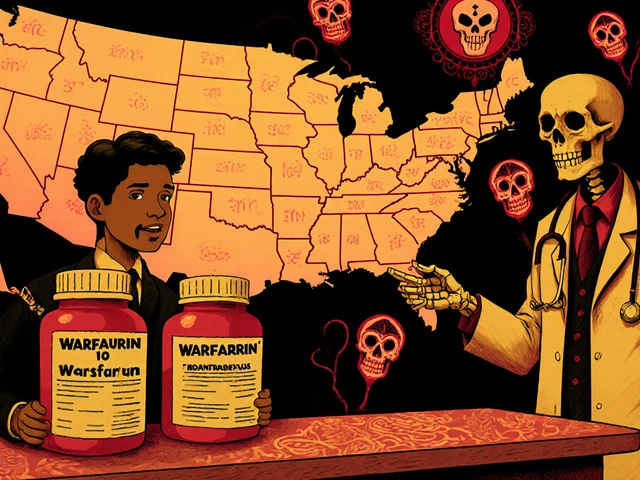
Supplement interactions don’t always cause obvious symptoms. You might feel fine, but your liver is working overtime processing conflicting chemicals. vitamin interactions, how vitamins like K, D, or E change how drugs are absorbed or broken down are especially sneaky. Vitamin K can undo the effect of blood thinners like warfarin. Too much vitamin D can raise calcium levels so high it damages your kidneys. And let’s not forget herbal supplements, plant-based products often marketed as natural but still biologically active. Garlic, ginkgo, and ginseng all interfere with clotting. That’s a problem before surgery. Even something as simple as grapefruit juice can mess with dozens of medications by blocking how your body breaks them down. It’s not magic—it’s chemistry. And your body doesn’t care if something is labeled "natural."
You don’t need to stop all supplements. But you do need to know what’s in them and what you’re already taking. Talk to your pharmacist. Bring your pill bottles—even the ones you only take occasionally. Many people don’t realize their fish oil, magnesium, or melatonin could be causing issues. The real danger isn’t the supplement itself—it’s the assumption that it’s safe because it’s sold over the counter. The posts below cover exactly these kinds of risks: how cyclosporine reacts with other drugs, why trimethoprim can raise potassium, how certain vitamins affect blood thinners, and what happens when you mix herbs with prescription meds. You’ll find real examples, clear warnings, and practical steps to protect yourself. No fluff. Just what you need to stay safe.
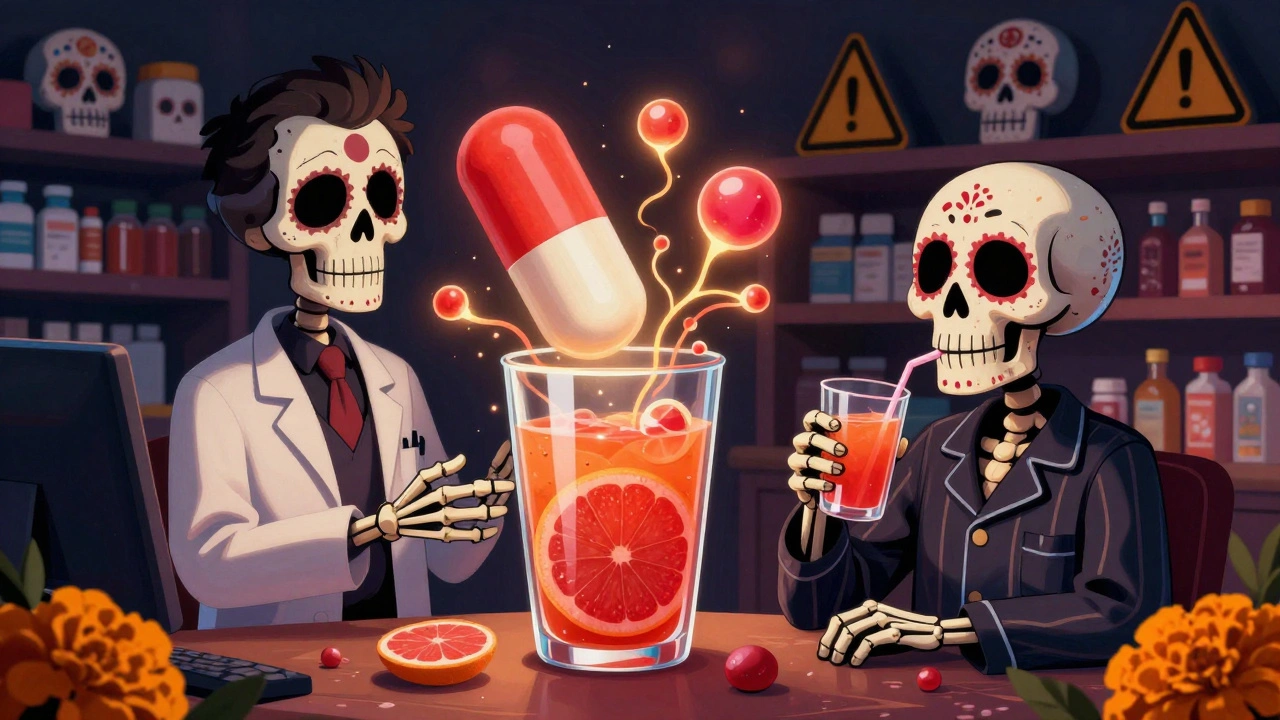
Drug interactions between food, supplements, and medications can cause serious harm-even death. Learn how grapefruit, vitamin K, St. John’s wort, and other common items can clash with your prescriptions-and what to do to stay safe.
Chris Gore Dec 3, 2025