Do Herbal Supplements Affect Birth Control? Risks and Interactions
Birth Control & Supplement Interaction Checker
Select the supplement you are taking or considering to see its potential impact on your hormonal birth control.
ℹ️Mechanism & Guidance:
The Red Flag: St. John's Wort
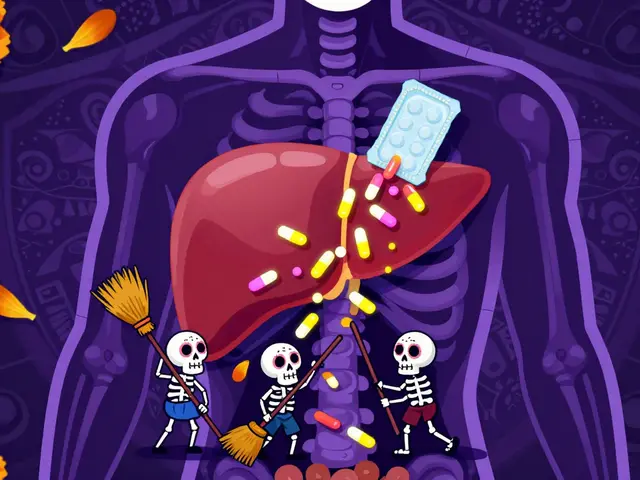
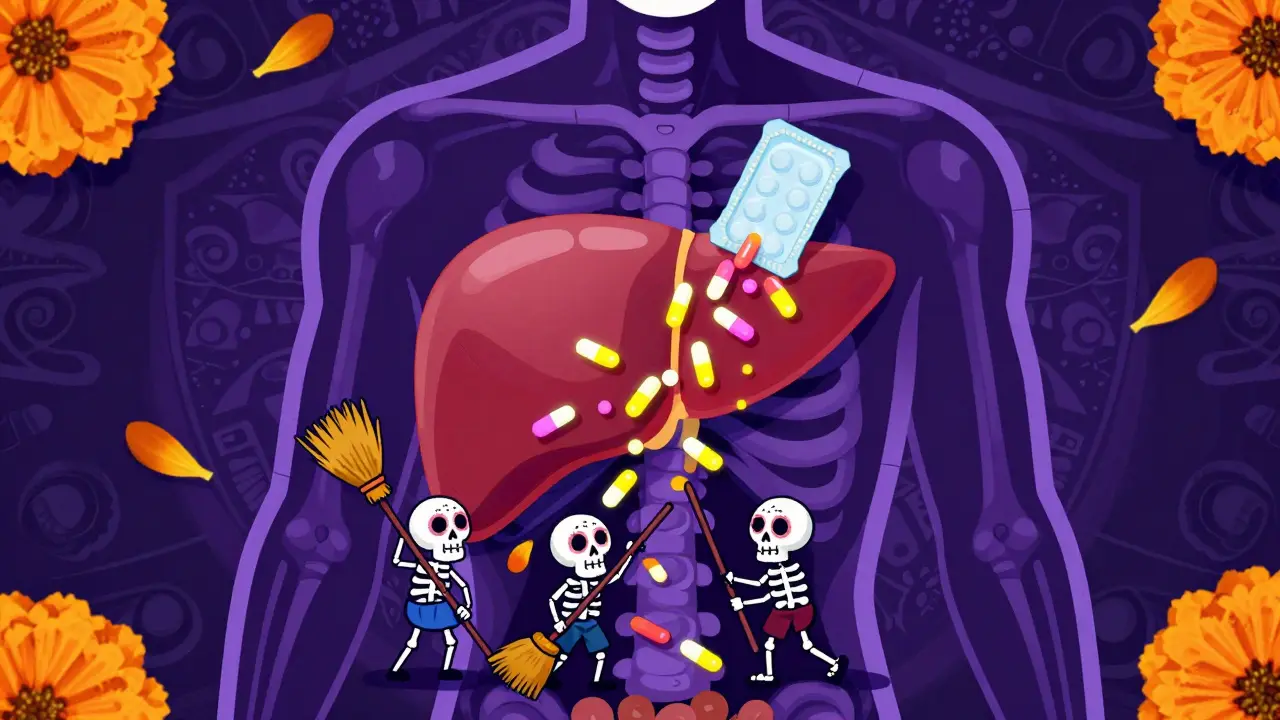
If there is one supplement you need to be wary of, it's St. John's Wort. Often used to treat mild depression, this herb is a major culprit in contraceptive failure. It contains a compound called hyperforin that activates the pregnane X receptor (PXR) in your liver. In simple terms, it tells your body to produce more CYP3A4 enzymes. These enzymes are the "cleanup crew" that breaks down the hormones in your birth control pill. When you have too many of these enzymes working overtime, your body clears the hormones too quickly. Research has shown that women taking a 900 mg daily dose of St. John's Wort alongside a combined pill experienced a noticeable drop in hormone levels. How do you know if this is happening? The most common sign is breakthrough bleeding-spotting between periods. In one study, 23% of women using St. John's Wort had this issue, compared to only 5% who weren't taking the herb. If you're suddenly spotting while on the pill, don't ignore it; it could be a sign that your protection is compromised.Other Supplements That Mess With the Pill
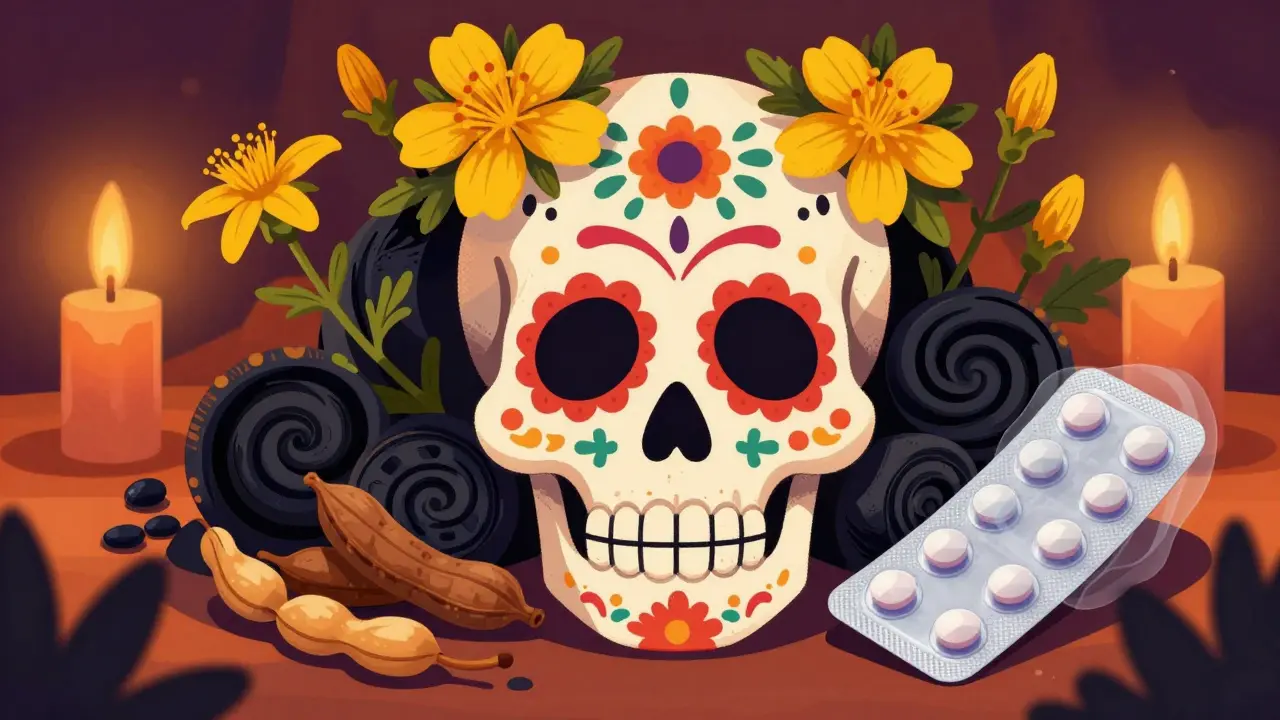
While St. John's Wort is the most aggressive, other natural products can interfere through different mechanisms. It's not always about the liver; sometimes it's about how the drug enters your system or how it binds to your cells.- Activated Charcoal: This isn't a traditional "herb," but it's common in detox supplements. Charcoal is an adsorbent, meaning it sticks to things. If you take it within four hours of your pill, it can soak up the contraceptive hormones in your gut, preventing them from ever reaching your bloodstream.
- Soy Isoflavones: Unlike the liver-enzyme route, soy works via pharmacodynamic interaction. This means it competes for the same estrogen receptor binding sites in your body, potentially blocking the pill's hormones from working effectively.
- Grapefruit Products: While usually known for interfering with statins, grapefruit can alter the metabolism of certain oral contraceptives, though the exact way it happens is still being debated by researchers.
- The "Maybe" List: Some sources mention saw palmetto, alfalfa, garlic pills, and flaxseed. The evidence here isn't as rock-solid as it is for St. John's Wort, but they are often flagged as potential risks.
| Supplement | Mechanism of Action | Risk Level | Primary Symptom |
|---|---|---|---|
| St. John's Wort | Enzyme Induction (CYP3A4) | High | Breakthrough bleeding |
| Activated Charcoal | Hormone Adsorption (Gut) | Moderate | Reduced absorption |
| Soy Isoflavones | Receptor Competition | Low to Moderate | Hormonal imbalance |
| Grapefruit | Metabolic Alteration | Low | Variable |
The "Safe" List: What You Probably Don't Need to Worry About
It's easy to get anxious and think everything in the health aisle is dangerous. The good news is that most common supplements don't touch your birth control. For instance, Ashwagandha, a popular adaptogen for stress, doesn't seem to affect the enzymes that break down hormonal contraceptives. A 2015 study confirmed that it's generally safe to use alongside the pill. The same goes for Probiotics and Melatonin; they don't have documented pharmacokinetic interactions that would stop your birth control from working. Even Vitex (chasteberry), which is often used for hormonal balance, is considered safe by experts like Dr. Jolene Brighten. In some cases, it can even be beneficial during the reproductive years without interfering with the pill. ## A Note on DIM (Diindolylmethane) DIM is a bit of a gray area. At standard doses, there's no evidence it ruins the pill. However, because DIM changes how your body metabolizes estrogen, very high doses (600 mg or more) might lower your estrogen levels. If you're planning to take more than 100 mg, it's worth a quick chat with your doctor to make sure your specific dosage isn't creating a hormonal gap.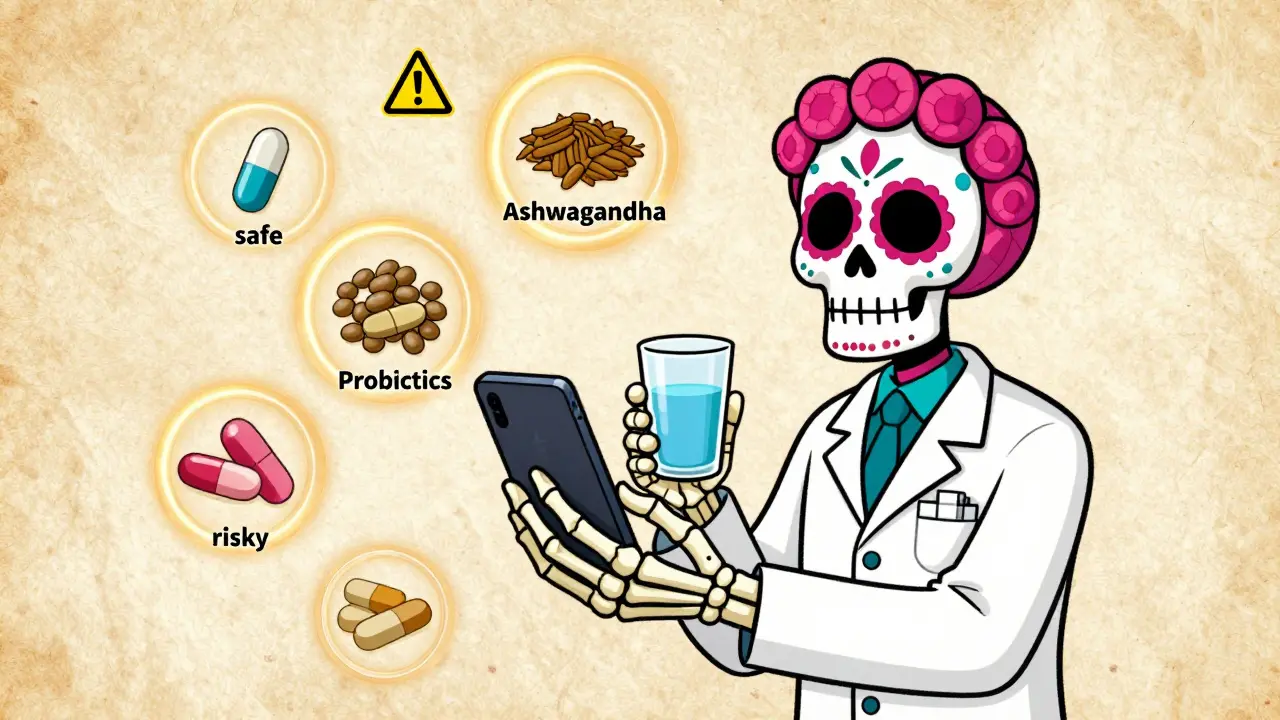
The Danger of the "Natural" Label
One of the biggest problems with herbal supplements is the lack of regulation. Unlike prescription drugs, which go through rigorous clinical trials for drug-drug interactions, supplements are often sold as over-the-counter items with minimal oversight. This creates a "clinical conundrum." You might buy a bottle of an herbal extract that says it's pure, but batch-to-batch variations are common. One bottle might be weak, while the next is potent enough to induce those liver enzymes and lower your contraceptive protection. Because many of these products lack chemical characterization, you're essentially guessing when you mix them with medication.How to Manage Your Risks
If you're using hormonal birth control and want to start a new supplement, don't just trust a blog post. Follow these practical steps to stay protected:- Check the "Big Offenders": If the supplement contains St. John's Wort, stop and seek a backup method immediately.
- Timing Matters: If you're taking something like activated charcoal or certain minerals, leave at least a four-hour gap between that supplement and your pill to avoid absorption issues.
- Monitor Your Cycle: Any new spotting, heavier-than-usual bleeding, or missed periods while on a steady dose of the pill should be treated as a warning sign.
- The One-Month Rule: If you stop taking a potent inducer like St. John's Wort, your liver doesn't reset instantly. Use a backup method (like condoms) for at least one full month after stopping the supplement.
- Consult a Pro: A pharmacist or doctor can screen your entire list of meds and supplements. They have access to interaction databases that are far more comprehensive than a product label.
Will taking a multivitamin make my birth control pill less effective?
Generally, no. Standard multivitamins and probiotics do not interfere with the effectiveness of birth control. However, if your multivitamin contains specific herbal extracts like St. John's Wort or high doses of certain minerals that might interfere with absorption (like activated charcoal), you should be cautious.
What should I do if I've been taking St. John's Wort and the pill together?
First, use a barrier method of contraception (like condoms) immediately. Second, contact your healthcare provider to discuss whether you need a pregnancy test or a change in your contraceptive method. Do not simply stop the supplement and assume you are protected the next day; the enzyme induction can last for several weeks.
Can soy products like tofu or soy milk affect my birth control?
Dietary soy in normal amounts (like a bowl of tofu or a glass of soy milk) is unlikely to cause a clinical failure of birth control. The concern is primarily with concentrated soy isoflavone supplements, which have a much higher density of compounds that can compete for estrogen receptors.
Does ashwagandha interfere with the pill?
Based on current research, including a 2015 study, ashwagandha does not appear to affect the enzymes responsible for breaking down hormonal birth control. It is generally considered safe to use, though you should always monitor for severe side effects like vomiting or diarrhea, which could indirectly hinder pill absorption.
Why does breakthrough bleeding happen when taking some supplements?
Breakthrough bleeding occurs because the supplement (like St. John's Wort) causes your body to metabolize the contraceptive hormones too quickly. When hormone levels in the blood drop below a certain threshold, the lining of the uterus begins to shed prematurely, resulting in spotting or light bleeding.