

Stroke and Recovery: How Rehabilitation After Brain Injury Really Works
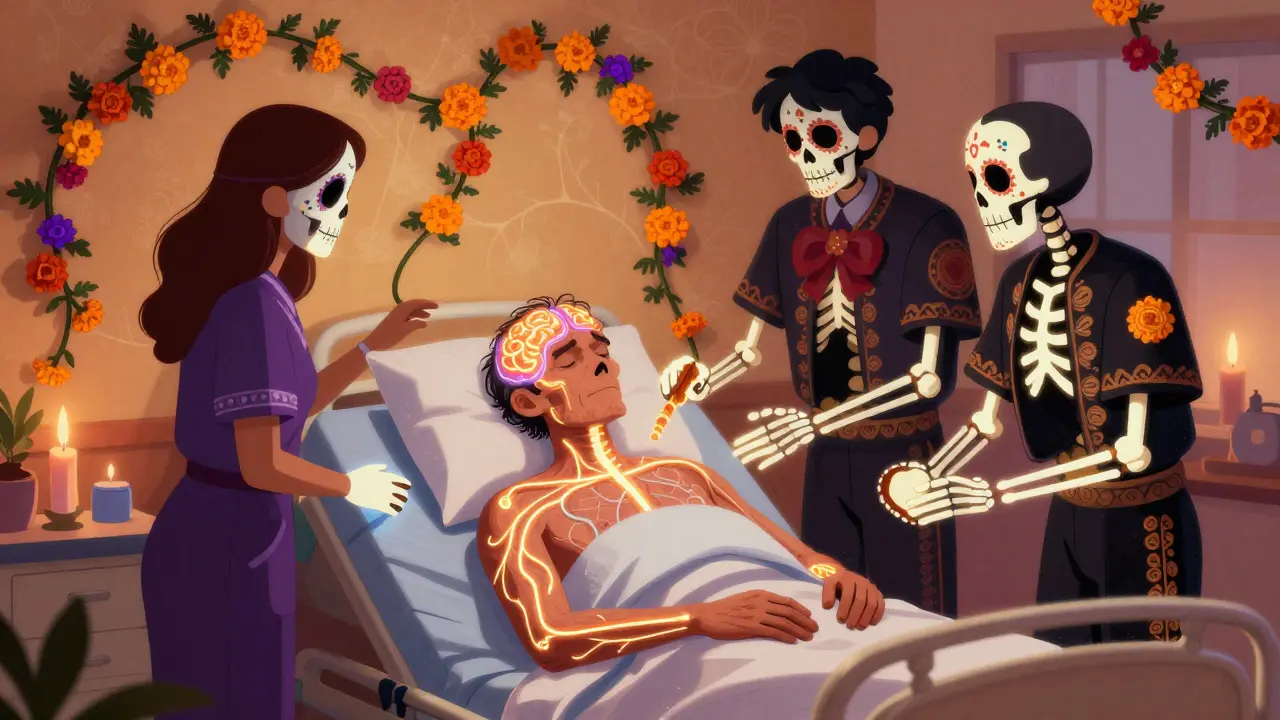
What Happens After a Stroke? It’s Not Just About Surviving
Most people think stroke recovery means getting out of the hospital and hoping things get better on their own. That’s not how it works. Stroke damages parts of the brain that control movement, speech, memory, and even emotion. But here’s the truth: stroke rehabilitation isn’t optional-it’s the single biggest factor between staying stuck and getting your life back. The brain doesn’t heal like a broken bone. It rewires. And that rewiring needs the right kind of push, at the right time, with the right people.
Neuroplasticity: Your Brain’s Hidden Superpower
When a stroke hits, brain cells die. But the brain doesn’t just sit there. It finds new ways. This is called neuroplasticity-the ability to form new connections and reroute functions around damaged areas. It’s not magic. It’s science. And it’s why you can regain skills you thought were gone forever.
Studies using brain scans show changes in motor and language areas within just two to four weeks of starting therapy. That’s not a slow burn. That’s your brain actively rebuilding. The catch? It only happens with repetition. Not just doing exercises. Doing the right exercises, over and over. A person who practices lifting their arm 100 times a day with a therapist will rewire their brain faster than someone who does it once a week. It’s not about effort. It’s about precision.
The Three Phases of Recovery-And Why Timing Matters
Recovery isn’t one big block. It happens in clear stages, and each one needs a different approach.
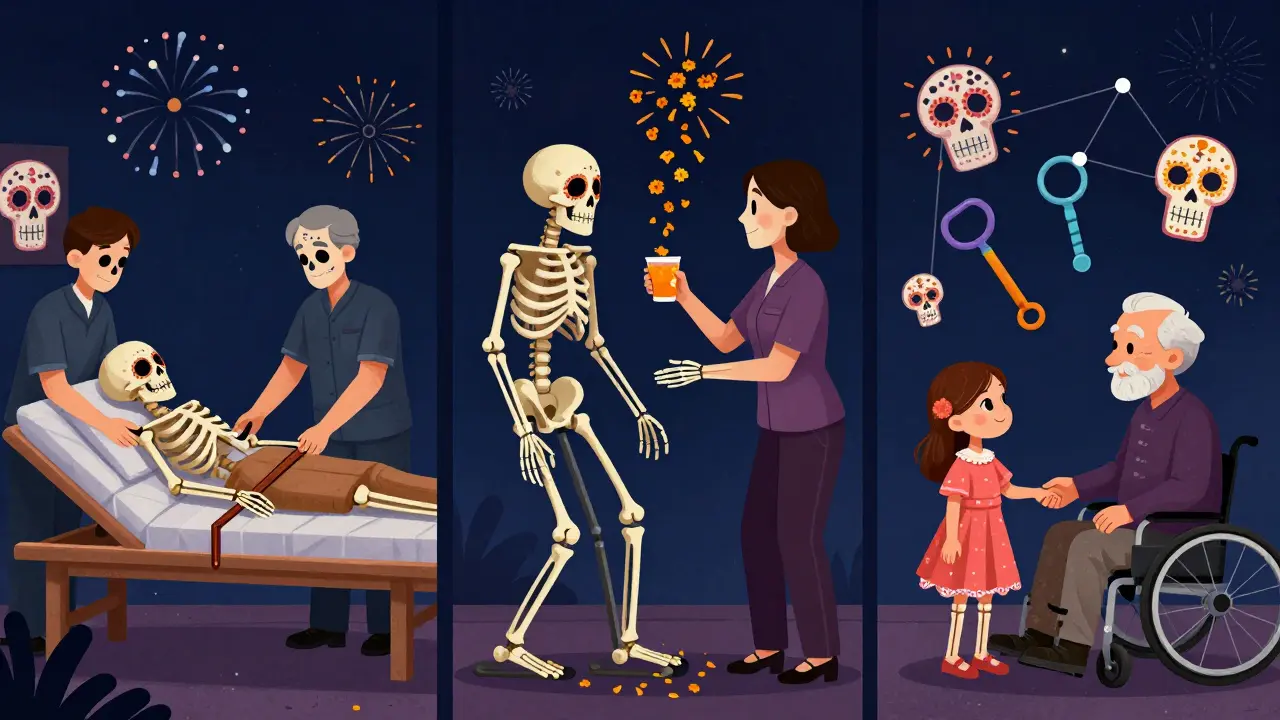
- Recovery/Natural Healing (Days to Weeks): Right after the stroke, swelling goes down. Some movement returns on its own. But if you’re not moved carefully, muscles tighten, joints stiffen, and you lose ground fast. That’s why therapists start positioning you in bed within hours-keeping limbs aligned, preventing contractures that affect up to half of untreated patients.
- Retraining (Weeks to Months): This is where the real work begins. You’re not just moving. You’re relearning. Sitting up without falling. Reaching for a cup. Saying your name clearly. Therapists use cues-pointing to the wheelchair brake, counting out steps, mirroring your movements. Repetition builds automaticity. A patient who practices transferring from bed to chair 20 times a day will eventually do it without thinking. That’s neuroplasticity in action.
- Adaptation (Months to Years): Not everyone gets all their skills back. That’s okay. Adaptation means finding new ways. Maybe you use voice commands to turn on lights. Maybe you cook with one hand using adaptive tools. Maybe you join a support group to talk about grief. This phase isn’t about fixing what’s broken. It’s about building a life that works anyway.
Start early, and you gain more. Studies show patients who begin rehab within 24 hours of a stroke improve mobility by 35% compared to those who wait. That’s not a small edge. That’s life-changing.
The Team You Didn’t Know You Needed
Stroke recovery isn’t a one-person job. It’s a team sport. And the team isn’t just doctors and therapists. It’s you. Your family. Your friends.
- Physical therapists work on walking, balance, and strength. After 12 weeks of intensive therapy, most patients see a 40-60% boost in walking speed.
- Occupational therapists help you get dressed, cook, brush your teeth. They teach you to use one hand, modify your kitchen, or switch to a long-handled sponge.
- Speech-language pathologists fix slurred speech, trouble swallowing, even memory gaps. Swallowing problems affect 50% of stroke survivors-left untreated, they can lead to pneumonia.
- Pyschologists handle the invisible wounds. Depression hits 30-35% of stroke survivors. It’s not sadness. It’s a chemical shift in the brain. Left alone, it kills recovery.
- Social workers and nutritionists make sure you have food, transport, housing, and money. Recovery fails if you can’t get to therapy or eat properly.
Facilities that hold weekly team meetings-where everyone talks about your progress-see 22% better outcomes. Communication saves lives.
Technology That Actually Helps
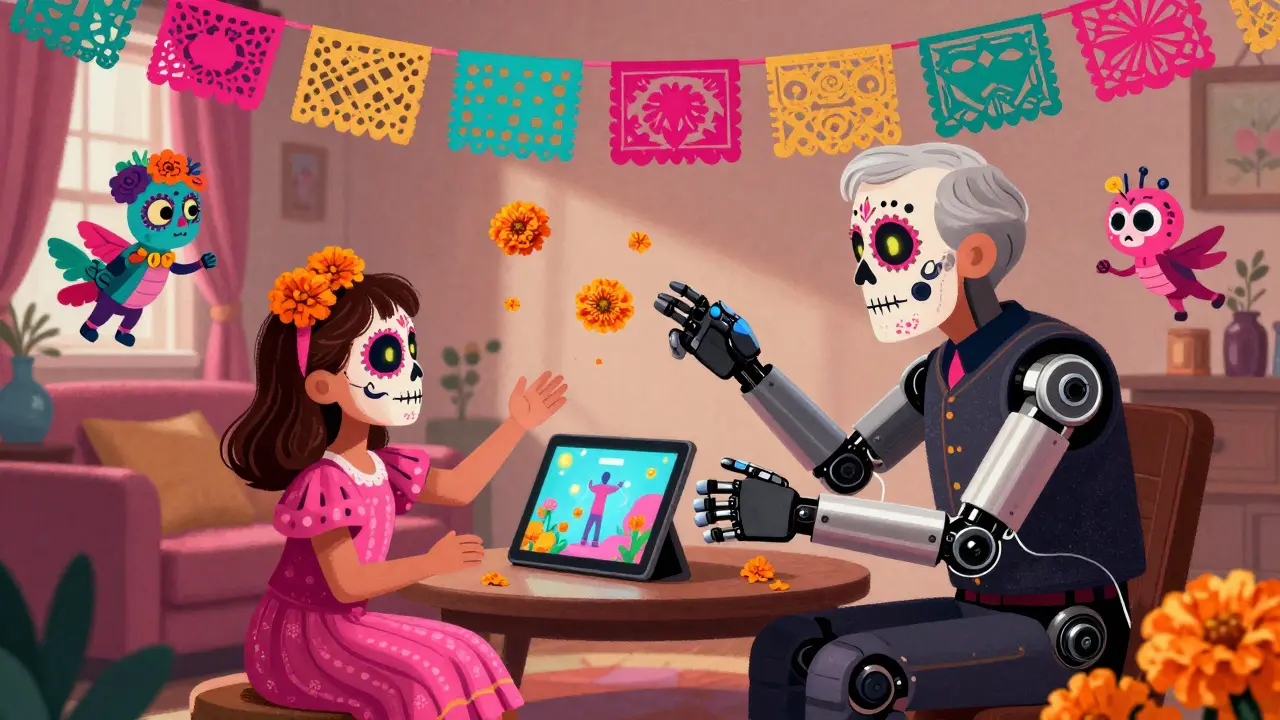
Robots. Virtual reality. Electrical stimulation. These aren’t sci-fi. They’re tools used every day in rehab centers.
- Robotic gait trainers like the Lokomat support your body while you walk on a treadmill. Patients using them improve walking speed by 50% more than those doing regular walking practice.
- Constraint-induced therapy means taping your good arm to your chest for 90% of the day so you’re forced to use the weak one. Mayo Clinic studies show 30% better hand function after this method.
- Functional electrical stimulation sends tiny pulses to paralyzed muscles. It helps people grip a spoon again. Strength gains of 25-45% in wrist and hand function are common.
- Virtual reality lets you play games that mimic real tasks-reaching for fruit, pouring water. Patients using VR improve upper limb function by 28% compared to standard care.
- Wireless activity monitors track your steps. Seeing your progress-500 steps one day, 800 the next-motivates you to keep going. Daily step counts jump by 32% with these devices.
The Nine Things That Determine Your Recovery
Not everyone recovers the same. Why? Nine factors control how much you get back:
- Your overall health before the stroke
- How much movement you still have
- How strong your muscles are
- Whether you can control your bladder and bowels
- Your ability to learn new things
- Your motivation level
- Your coping skills
- Your home environment
- Your social support
Here’s the biggest surprise: motivation accounts for up to 40% of your recovery outcome. It’s not just willpower. It’s belief. If you think you can get better, your brain responds. If you believe it’s hopeless, your brain shuts down. That’s why therapists spend as much time building hope as they do building muscle.
What Happens When You Go Home?
Most people leave rehab after 2-6 weeks. But 70% still need therapy. That’s where community programs and telerehabilitation come in.
Telerehabilitation-therapy done over video calls-has been tested against in-person sessions. Results? 85% as effective for tasks like speech practice, balance drills, and arm exercises. You don’t need to drive across town. You can do your therapy in your living room.
But home isn’t always safe. Falls are the #1 cause of injury after stroke. That’s why grab bars, non-slip mats, raised toilet seats, and kitchen tools with big handles matter. Occupational therapists don’t just teach you how to do things. They change your space so you can do them safely.
The Daily Balance: Rest, Work, Connection
Recovery isn’t 24/7 therapy. Overdoing it burns you out. Underdoing it slows you down.
The sweet spot? Around 30-40% of your day in rest. 40-50% in therapy or movement. 20-30% in social time-talking to a friend, watching a show with family, laughing at a silly meme. Fatigue kills progress. Loneliness kills motivation. You need both.
One patient in Melbourne, 68, started with only finger movement in his right hand. Six months later, he was holding his granddaughter’s hand. He didn’t do 100 exercises a day. He did 20, with his wife cheering him on, and he watched his favorite comedy show every night. That balance made the difference.
What’s Next? The Future of Stroke Recovery
Scientists are pushing boundaries. Transcranial magnetic stimulation (TMS)-a non-invasive brain stimulation technique-adds 15-20% more motor recovery when combined with therapy. New drugs that boost brain-derived neurotrophic factor (BDNF) are being tested to help nerve cells grow. AI is being trained to analyze brain scans and create custom rehab plans for each person.
But the biggest breakthrough? Realizing recovery doesn’t end at discharge. It’s a lifelong process. And the best tool you have? Consistency. Small steps. Daily effort. And never giving up on the idea that your brain can still change.
How long does stroke recovery take?
Recovery happens in phases. The most rapid gains come in the first 3-6 months, but improvement continues for years. Some people see progress even 5-7 years after a stroke. It’s not a race. It’s a journey shaped by consistent therapy, motivation, and support.
Can you recover fully from a stroke?
Some people do. Many don’t get every skill back-but most regain enough to live independently. Recovery isn’t about returning to who you were. It’s about building a new version of your life that works. Even small gains-like being able to brush your teeth alone-make a huge difference in quality of life.
Is it too late to start rehab if it’s been months since the stroke?
No. While early rehab gives the best results, the brain remains capable of change for years. People who start therapy 6, 12, or even 24 months after a stroke still gain mobility, speech, and independence. The key is intensity and consistency-not timing.
What’s the most important thing for family members to do?
Be present. Don’t do things for them. Do things with them. Encourage effort, not perfection. Learn their therapy goals. Ask the therapist how you can help at home. Family involvement increases adherence by 37%. Your presence is part of the treatment.
Why is depression so common after stroke?
Stroke doesn’t just damage movement-it affects brain chemicals tied to mood. Depression isn’t just sadness. It’s a biological response. Left untreated, it slows recovery, reduces motivation, and increases risk of another stroke. Therapy and sometimes medication are essential-not optional.
Do I need to go to an inpatient rehab facility?
Not always. Inpatient rehab is best for those with major losses and no support at home. But many people recover well with outpatient or telerehabilitation, especially if they have a strong support system. The goal isn’t the location-it’s getting 3 hours of therapy, 5 days a week, if you’re medically able.
What if I can’t afford therapy?
Many countries offer subsidized rehab through public health systems. Community centers, charities, and hospitals often run low-cost or free programs. Telerehabilitation can cut costs significantly. Don’t assume it’s out of reach. Ask your doctor or social worker-there are options.
Can technology replace human therapists?
No. Robots and apps are tools, not replacements. A therapist adjusts your form, reads your frustration, motivates you when you’re tired, and knows when to push and when to rest. Technology enhances therapy-it doesn’t replace the human connection that drives real recovery.
How do I know if my rehab plan is working?
Look for small wins: Can you hold a cup longer? Can you stand without holding on? Can you say your grandchild’s name clearly? Progress isn’t always walking again. It’s often tiny steps that add up. Ask your therapist for measurable goals-like increasing steps per day or holding a grip for 10 seconds longer. Track them.
What’s the #1 mistake people make in recovery?
Waiting too long to start. Hoping things will get better on their own. Or giving up after a few weeks because progress feels slow. Recovery isn’t linear. There are plateaus. But stopping means losing ground. The best thing you can do? Show up, every day-even if it’s just for 10 minutes.



I’ve seen this firsthand with my dad. He couldn’t lift his arm after the stroke, but after 3 months of daily therapy with a robotic arm trainer, he held my baby’s hand for the first time. It wasn’t magic-it was repetition, and someone who refused to let him quit.
I think the part about depression being biological, not just sad feelings, needs to be shouted from the rooftops. My mom went from being this vibrant artist to silent for months, and no one told us it was her brain chemistry, not her giving up. Therapy saved her.
This is why America needs to stop outsourcing rehab to underfunded community centers. The science is clear: intensive, early, high-quality rehab works. But if you’re poor, you get a brochure and a prayer. This isn’t healthcare-it’s a lottery.
In Nigeria, many stroke survivors are left at home with no access to therapists. I’ve seen elderly men sitting in chairs for months, limbs curled. The technology described here-robotic trainers, VR-is a dream. But even simple community-based group exercises, led by trained nurses, could save lives. We need scalable solutions.
I’m from India and we have this myth that rest = healing. My uncle was told to just sit quietly for 6 months after his stroke. He lost 70% of his mobility. Started therapy at 8 months-now he walks with a cane. It’s never too late. Just start.
The balance thing hit me hard. I thought I had to do 5 hours of therapy a day. Turns out my mom’s daily 20 minutes with her speech app and her 30 minutes of laughing at cat videos was the real secret sauce
Neuroplasticity is just the brain’s way of saying ‘I refuse to die’ even when the body gives up. It’s not science-it’s survival. And maybe that’s the real miracle-not the machines, but the stubborn will of a living mind to find a new path.
As a former police officer who witnessed multiple stroke cases in the field, I can confirm: the most critical factor is not technology or funding-it is the family’s unwavering presence. When a loved one shows up every day, not as a caretaker, but as a partner in recovery, the brain responds with astonishing resilience. This is not merely medical-it is moral.