
How to Manage Overdose Risk During Heatwaves and Illness
Chris Gore
Cyclosporine Interactions: What You Need to Know About Drug, Food, and Supplement Risks
When you take cyclosporine, an immunosuppressant used after organ transplants or for autoimmune conditions like psoriasis and rheumatoid arthritis. Also known as Sandimmune or Neoral, it works by calming your immune system—but even small changes in how your body processes it can lead to serious side effects or treatment failure. This isn’t just about taking it with food. Cyclosporine interacts with a wide range of common substances, from over-the-counter painkillers to herbal supplements, and even your morning grapefruit.
One of the biggest risks comes from grapefruit, a fruit that blocks enzymes in your liver responsible for breaking down cyclosporine. Just one glass of grapefruit juice can cause cyclosporine levels to spike, increasing your risk of kidney damage, high blood pressure, or tremors. It’s not just grapefruit, either—other citrus like Seville oranges and pomelos do the same thing. Then there are antibiotics, like erythromycin and clarithromycin, which slow down how fast your body clears cyclosporine. Even common drugs like NSAIDs, including ibuprofen and naproxen, can team up with cyclosporine to stress your kidneys. And don’t forget St. John’s wort, a popular herbal supplement for mood—it can drop cyclosporine levels so low that your body starts rejecting your transplant.
It’s not just about what you take—it’s about timing, dosage, and your body’s unique response. Some people absorb cyclosporine better on an empty stomach; others need it with food. Your doctor will monitor your blood levels closely, but you need to be the first line of defense. Keep a list of every pill, herb, and vitamin you use. Tell every new provider you’re on cyclosporine—even your dentist. A single new medication could throw off your entire treatment. The good news? Most of these interactions are avoidable if you know what to watch for. Below, you’ll find real-world examples from patients and doctors on how food, supplements, and other drugs can clash with cyclosporine—and what to do to stay safe.
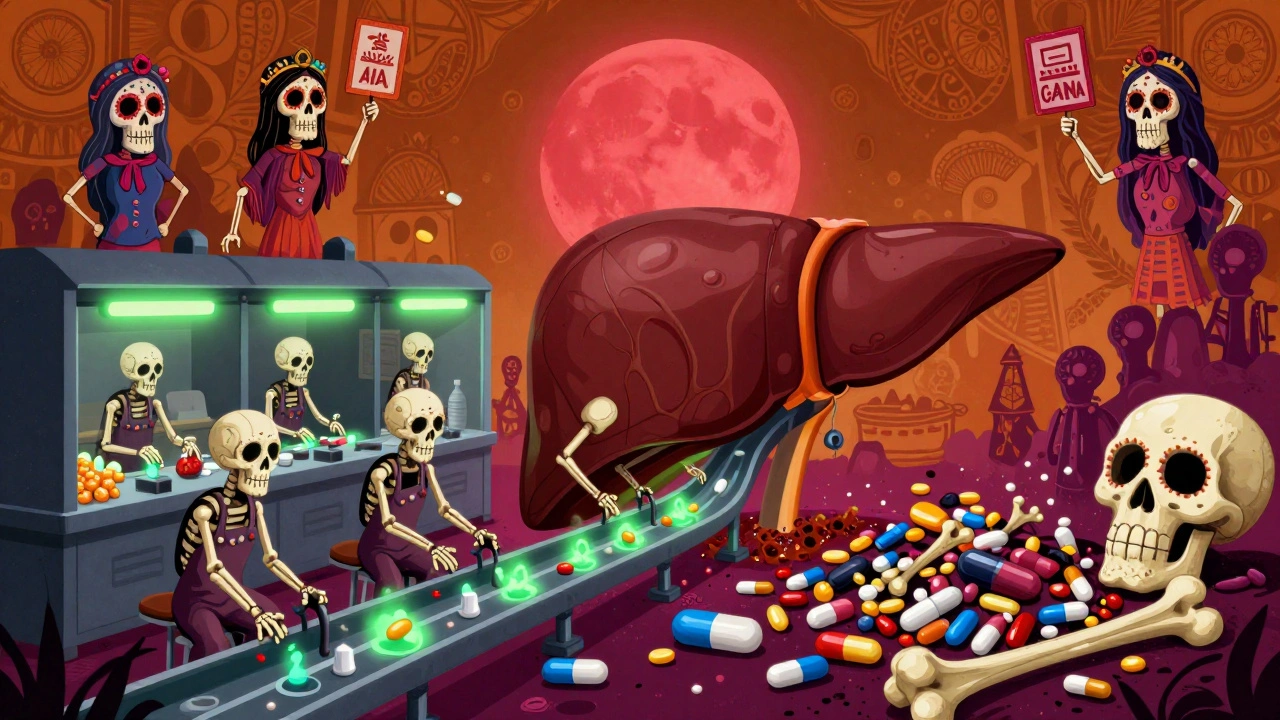
Cyclosporine is a life-saving immunosuppressant, but its interaction with the CYP3A4 enzyme can cause dangerous drug buildups. Learn which medications are risky, how to prevent toxicity, and what to do if you're taking it after a transplant.
Chris Gore Dec 1, 2025