Clinical Trial Data vs Real-World Outcomes: Key Differences That Matter
Chris Gore
Brand Drugs: What They Are, How They Compare to Generics, and What You Need to Know
When you hear brand drugs, brand-name medications developed and marketed by pharmaceutical companies under a patent. Also known as originator drugs, they’re the first versions of a medicine to hit the market after years of research and clinical trials. These are the pills you see advertised on TV—Drugs like Advair, Prinivil, or Fertigyn HP. But here’s the thing: once the patent runs out, the exact same drug can be sold under a different name, at a fraction of the cost. That’s where generic medications, chemically identical versions of brand drugs sold after patent expiration come in. Over 90% of prescriptions filled in the U.S. are generics. Yet, many people still assume brand drugs work better. They don’t. The FDA requires generics to have the same active ingredient, strength, dosage form, and route of administration as the brand. The only differences? The color, shape, filler ingredients, and price.
Then there’s authorized generics, brand drugs sold under a generic label by the original manufacturer. These are the same pills you’d get from the brand, just without the fancy packaging or marketing. Companies do this to compete with other generics when patents expire. It’s a smart business move—and sometimes the best deal for you. You’re getting the exact same product, often at a lower price than the brand, and sometimes even cheaper than regular generics. Meanwhile, drug pricing, the cost structure behind prescription medications influenced by patents, competition, and insurance keeps changing. Why does a drug like Sildenafil cost $50 per pill from the brand but $2 as a generic? It’s not about quality. It’s about control. When a company holds a patent, they can set any price. Once it expires, competition drops prices fast. And when the FDA drug labels, official safety and usage information approved by the U.S. Food and Drug Administration get updated—like a new boxed warning for kidney damage or nerve issues—it affects how doctors prescribe and how patients trust these drugs.
You’ll find posts here that break down how brand drugs like Advair Diskus stack up against cheaper inhalers. Or how Fertigyn HP compares to other hCG options for fertility. You’ll see why people still hesitate to switch from brand to generic—even when research shows no difference in outcomes. You’ll learn how authorized generics are reshaping the market, and how FDA labeling changes can catch even experienced doctors off guard. Some posts dig into side effects tied to specific brand drugs, like amiodarone causing nerve damage or trimethoprim spiking potassium. Others show you how to spot fake meds online or save money without risking your health. This isn’t about pushing one type of drug over another. It’s about giving you the facts so you can ask the right questions and make smarter choices—whether you’re on a brand, a generic, or something in between.
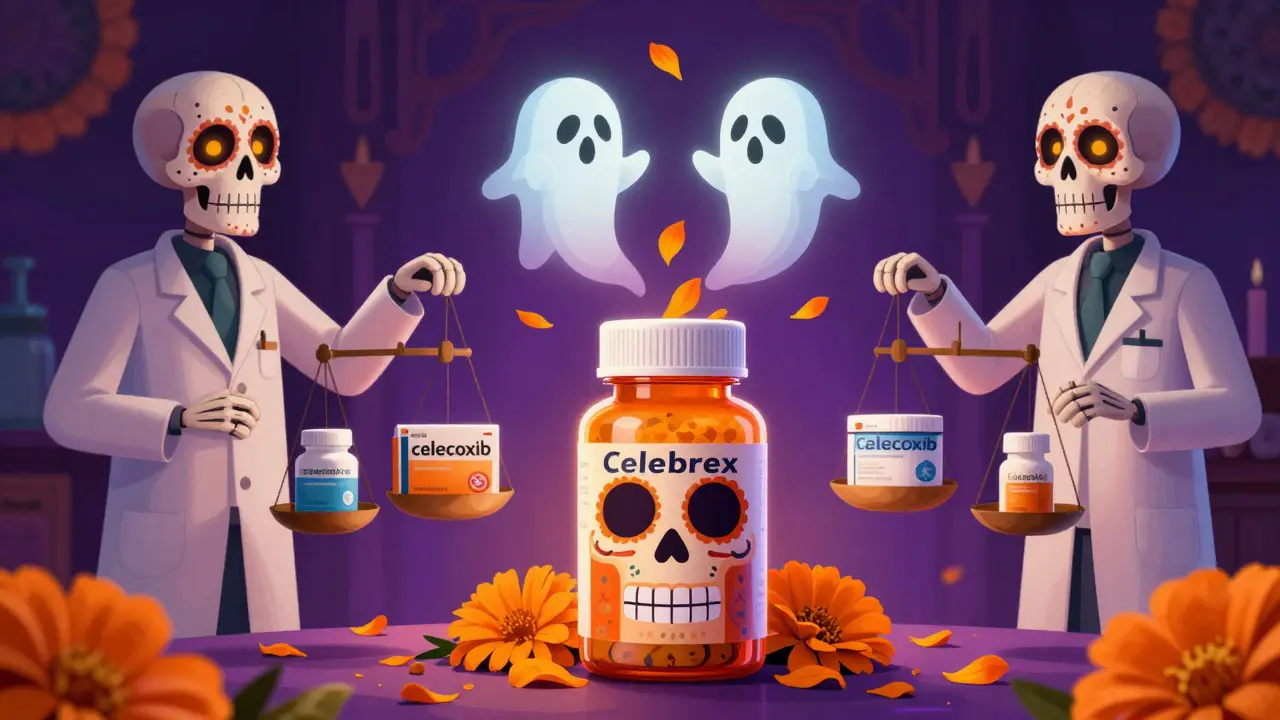
Authorized generics are brand-name drugs sold under a different label after patent expiration. They're identical to the original but cheaper. Learn how they work, why pharma companies use them, and what it means for patients.
Chris Gore Dec 20, 2025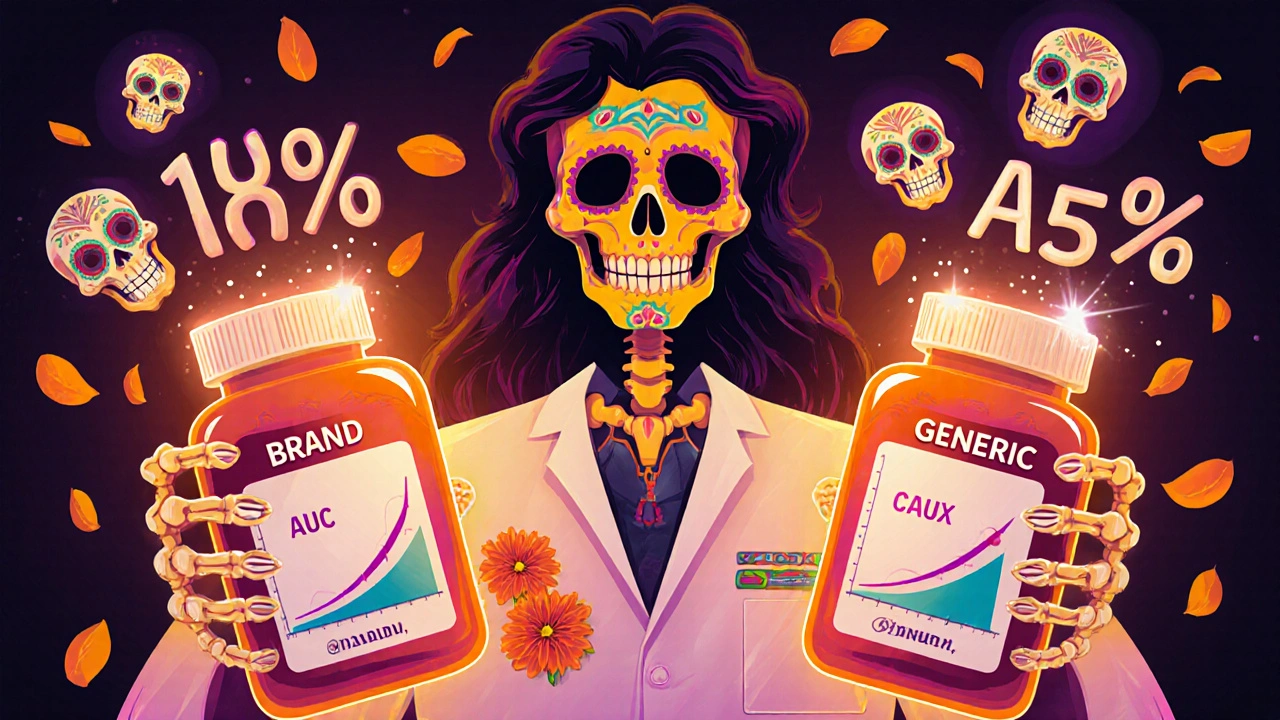
Learn how bioavailability and bioequivalence determine whether generic drugs work as well as brand-name versions. Understand the science behind FDA approval, real-world outcomes, and when to be cautious.
Chris Gore Nov 19, 2025