

Suicidal Thoughts on Antidepressants: What the Black Box Warning Really Means
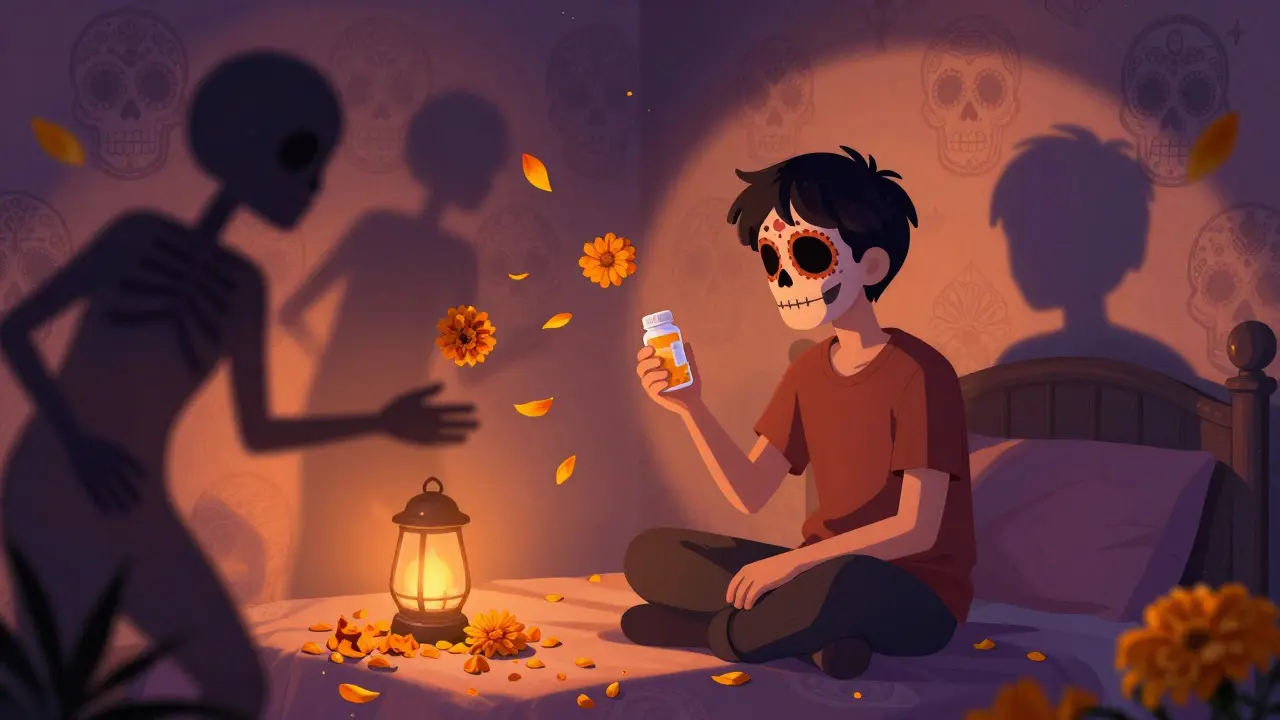
Antidepressant Risk Monitor
Symptom Tracking
Track your symptoms during the first 4 weeks of antidepressant treatment. This tool helps you identify warning signs and know when to seek help.
Risk Assessment
Your symptoms are within normal treatment patterns.
No warning signs detected at this time.
This is typical during the first 4 weeks of antidepressant treatment. Continue monitoring your mood and energy levels.
When you start taking an antidepressant, you expect to feel better. But for some people-especially teens and young adults-something unexpected happens: thoughts of suicide get stronger. It’s not common, but it’s real. And it’s why the FDA put a black box warning on nearly every antidepressant sold in the U.S.
What Is a Black Box Warning?
A black box warning is the strongest safety alert the FDA can give a drug. It’s printed in bold, boxed text at the top of the prescription label. No doctor can miss it. No pharmacist can skip explaining it. It’s there because the risk is serious enough that it could change whether someone takes the medicine at all.The warning says clearly: Antidepressants may increase the risk of suicidal thinking and behavior in children, adolescents, and young adults up to age 24. It doesn’t say they cause suicide. It says they might make suicidal thoughts more likely-especially in the first few weeks of treatment.
This warning wasn’t pulled out of thin air. In 2004, the FDA reviewed 24 clinical trials involving over 4,400 young people taking nine different antidepressants. The results showed that 4% of those on medication had suicidal thoughts or behaviors, compared to 2% on placebo. No one died in those trials, but the spike in thoughts and attempts was real enough to trigger action.
Who’s at Risk?
The warning covers everyone under 24. But the highest risk isn’t in toddlers or college students-it’s in teens and early 20s. That’s when the brain is still changing. Depression itself can feel overwhelming. And when an antidepressant starts working, energy comes back before mood improves. Suddenly, someone who was too tired to act now has the energy to act on dark thoughts.Not all antidepressants carry the same risk. Fluoxetine (Prozac) and sertraline (Zoloft) have shown lower rates of suicidality in studies. Paroxetine (Paxil), on the other hand, has been linked to higher risk. The warning applies to the whole class-SSRIs, SNRIs, even bupropion-but the actual danger varies by drug, dose, and person.
Why Does This Happen?
It’s not about the drug making someone depressed. It’s about what happens as the brain adjusts.Depression often leaves people exhausted, numb, and stuck. Antidepressants take weeks to lift mood. But within days, they can boost energy and motivation. If someone’s thoughts are already dark, that surge of energy can turn rumination into action. It’s like giving someone the keys to a car while they’re still in a fog-suddenly, they can move, but they’re not sure where they’re going.
This is why the first 1-4 weeks are the most critical. That’s when monitoring matters most. If someone starts feeling worse, more anxious, or more hopeless after starting an antidepressant, it’s not a sign the drug isn’t working-it might be a sign they need help right now.
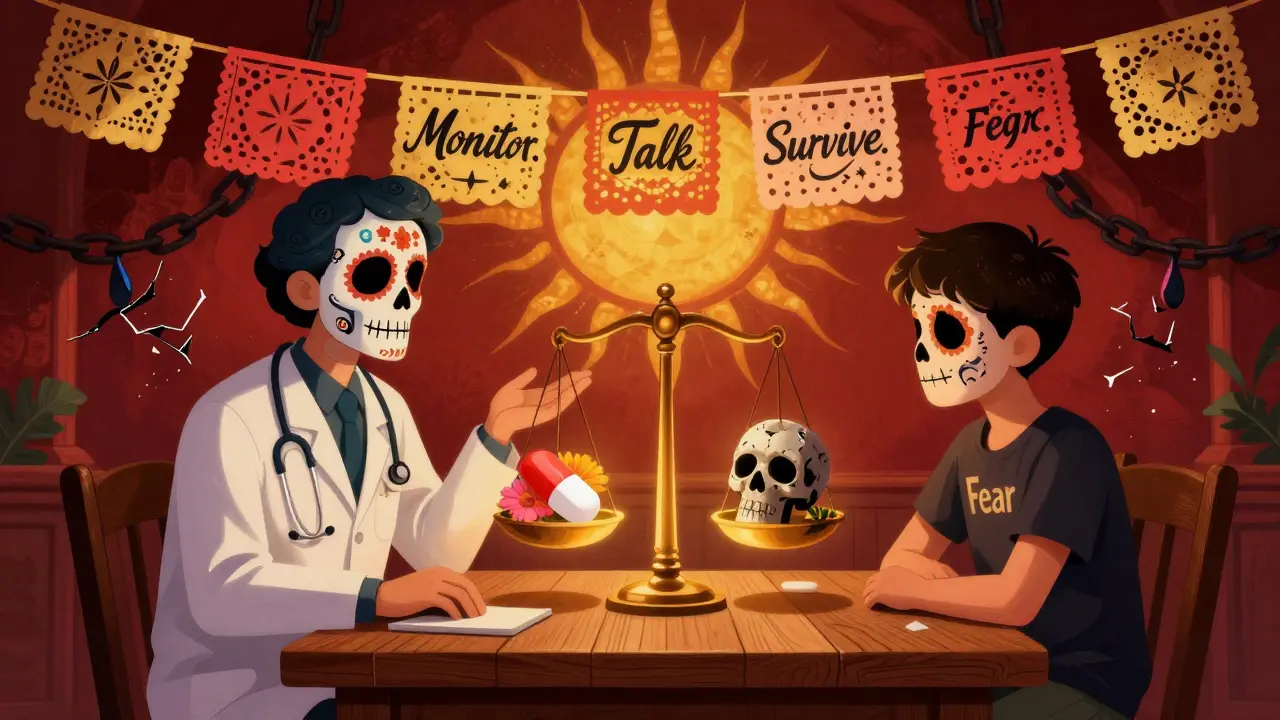
The Unintended Consequences
Here’s the twist: the warning may have done more harm than good.After the FDA issued the warning in 2004, prescriptions for antidepressants in young people dropped by 22%. Therapy visits fell too. And guess what happened? Suicide rates went up.
A 2023 study in Health Affairs tracked what happened over the next 15 years. They found:
- 14.5% fewer doctor visits for depression
- 19.7% fewer depression diagnoses
- 22.3% fewer antidepressant prescriptions
- 17.1% fewer therapy sessions
- 28.6% more emergency visits for drug poisonings
- 14.9% more youth suicides
People weren’t dying because they took antidepressants. They were dying because they didn’t get treatment at all.
One case involved a 16-year-old who refused fluoxetine after hearing about the black box warning. His parents believed the drug was dangerous. He stopped going to school. He stopped talking. A month later, he died by suicide. His doctor later said: “He would have been fine on medication.”
What Do Experts Really Think?
There’s a fierce debate. The FDA stands by the warning. They say the data from clinical trials is clear: risk increases in young people.But other experts say the warning created a ripple effect no one predicted. A 2020 paper in PMC criticized studies blaming the warning for rising suicides. They pointed out flaws: cherry-picked time frames, no control for severity, no accounting for access to care.
Then again, another 2020 study found that even after adjusting for other factors, youth taking antidepressants still had higher rates of suicide attempts. So the link isn’t gone-it’s complicated.
The American Psychiatric Association says this plainly: Untreated depression is far more dangerous than antidepressants. The suicide risk from depression alone is 15-20%. The risk from medication? Around 1-2% in the first few weeks.
What Should You Do?
If you or someone you love is considering antidepressants, here’s what matters:- Don’t avoid treatment out of fear. Depression kills. Antidepressants, when monitored, save lives.
- Start with fluoxetine or sertraline. They’re the safest bets for teens and young adults.
- Expect the first 4 weeks to be tough. Mood won’t lift fast. Energy might come before feeling better. That’s normal-but it’s also a red flag.
- Check in weekly. Call the doctor. Text a therapist. Tell a family member how you’re feeling. Don’t wait for the next appointment.
- Watch for warning signs: Talking about death, giving away possessions, sudden calm after deep sadness, withdrawing completely.
- Don’t stop suddenly. Quitting cold turkey can cause withdrawal or make symptoms worse.
Parents: If your teen is on antidepressants, sit with them for 10 minutes every day. Ask: “How are you feeling today?” Not “Are you okay?” That’s too vague. “Are you having thoughts you can’t shake?” That’s direct. And if they say yes, don’t panic-get help.
Is the Warning Going Away?
Not yet. The FDA reviewed the evidence again in 2022 and kept the black box. But they did tweak the language to say: “The benefits of antidepressants often outweigh the risks for many patients.”Experts agree: the future isn’t one warning for all drugs. It’s personalized risk. Some antidepressants are safer than others. Some patients are higher risk than others. The goal now is to move from a blanket warning to smart monitoring.
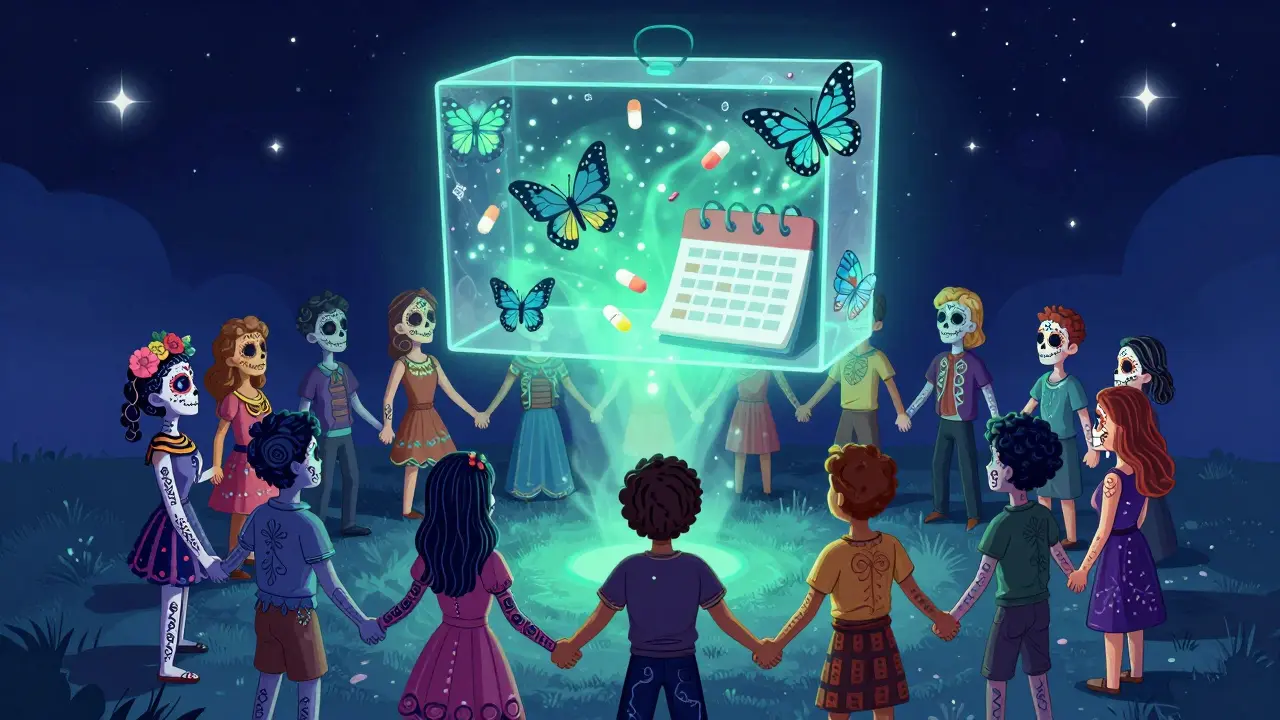
Doctors are starting to use tools that track mood, sleep, and energy daily. Apps, journals, symptom checklists-these help catch changes before they turn dangerous.
The Bottom Line
The black box warning exists for a reason. But it’s not a reason to avoid treatment. It’s a reason to treat smarter.Antidepressants aren’t magic pills. They’re tools. And like any tool, they need to be used with care. For most young people, the risk of not treating depression is far greater than the risk of taking the medicine.
If you’re scared, talk to your doctor. Ask: “Which drug has the lowest risk for someone my age?” “How will we know if something’s going wrong?” “What do I do if I feel worse?”
Depression doesn’t wait. Neither should you.
Do antidepressants cause suicide?
No, antidepressants don’t cause suicide. But in a small number of young people, they can increase the risk of suicidal thoughts or behaviors-especially in the first few weeks of treatment. This is why the FDA requires a black box warning. The risk is real, but it’s not the same as causing suicide. Untreated depression carries a much higher risk of death.
Which antidepressants are safest for teens?
Fluoxetine (Prozac) and sertraline (Zoloft) have the strongest evidence for safety and effectiveness in teens and young adults. Studies show they carry a lower risk of suicidal thoughts compared to other antidepressants like paroxetine (Paxil) or venlafaxine (Effexor). The FDA specifically approved fluoxetine for treating depression in children as young as 8.
How long does the risk last?
The increased risk of suicidal thoughts is highest in the first 1-4 weeks after starting an antidepressant or changing the dose. After that, the risk drops significantly. By 8-12 weeks, most people are either feeling better or the medication isn’t helping-and that’s when you and your doctor decide whether to keep going, switch, or stop.
Can I stop taking antidepressants if I’m scared?
Never stop suddenly. Stopping antidepressants abruptly can cause withdrawal symptoms like dizziness, nausea, anxiety, or even a return of depression. If you’re worried, talk to your doctor. They can help you taper off safely-or switch to a different medication with a better risk profile for you.
Why did suicide rates go up after the warning?
After the black box warning, many families avoided antidepressants altogether. Doctors became hesitant to prescribe them. Therapy visits dropped. As a result, more young people with depression went untreated. Studies show this led to more suicides-not because of the drugs, but because people didn’t get help when they needed it.
Should I avoid antidepressants if I’m under 24?
No. For most people under 24 with moderate to severe depression, the benefits of antidepressants outweigh the risks. The key is choosing the right drug (like fluoxetine or sertraline), starting low, monitoring closely, and combining it with therapy. Avoiding treatment because of fear can be far more dangerous than taking the medication.
What should I do if I start having suicidal thoughts on antidepressants?
Call your doctor immediately. If you can’t reach them, go to the nearest emergency room or call 988 (the Suicide & Crisis Lifeline). Don’t wait. Don’t try to tough it out. This is a medical emergency. Your doctor may adjust your dose, switch your medication, or add therapy. You’re not alone-and help is available right now.
What Comes Next?
The future of antidepressant treatment is moving away from one-size-fits-all warnings. Researchers are now looking at genetic markers, brain imaging, and real-time mood tracking to predict who’s most at risk. Some clinics are already using apps that send daily check-ins to patients on antidepressants-asking simple questions like, “Have you had thoughts of ending your life today?”The goal isn’t to scare people away from treatment. It’s to make sure no one slips through the cracks.
If you’re on an antidepressant, stay connected. Talk to someone every day. Keep your appointments. And if something feels off-speak up. Your life matters more than any warning label.

Man, I wish someone told me this when I started Prozac in high school. I felt like a zombie at first, then suddenly had the energy to cry in the shower every morning. My mom didn’t get it until I told her, ‘I’m not sad anymore-I’m just scared I’ll do something stupid.’ We switched to sertraline and I’m good now. Don’t let the warning scare you off meds-just don’t go it alone.
Black box warnings are corporate theater. The FDA doesn’t care about outcomes-they care about liability. Real science? It’s buried under 300 pages of risk-averse bureaucracy.
Oh sweet Jesus, here we go again with the ‘antidepressants are lifesavers’ sermon. I’ve seen three people go from ‘I’m tired’ to ‘I’m gonna end it’ in three weeks flat after their doctor handed them a script like it was a coupon for free coffee. Who’s really profiting here? Pharma. Who’s getting the blame? The kid who couldn’t handle the energy surge. And now we’re supposed to feel guilty for being scared? Nah.
People don’t die from depression. They die from not being monitored. That’s the real issue. You don’t just hand out SSRIs like candy and walk away. If your doctor doesn’t schedule weekly check-ins for the first month, find a new one. This isn’t rocket science-it’s basic patient care.
As someone who has witnessed the devastating consequences of untreated mood disorders in multiple cultures, I find it profoundly troubling that fear of a medical warning has led to increased mortality. The data is unequivocal: access to appropriate pharmacological intervention, paired with compassionate monitoring, saves lives. To withhold treatment due to misinformation is not caution-it is negligence dressed as caution.
Did you know the FDA got pressured by Big Pharma to even put the warning in? The real danger is the silence after the warning-no one talks about how the drug companies bury the studies that show SSRIs work better than placebo for most teens. They just scream ‘suicide risk’ and run. And now kids are dying because parents believe the hype. The system is rigged.
In Nigeria, we don’t have antidepressants in most villages. We have prayer, elders, and silence. But when I came to the US and saw teens on meds, I thought-this is progress. Then I saw the panic. The warning isn’t the problem. The lack of mental health infrastructure is. You can’t give someone a pill and expect them to survive without someone checking in. That’s not medicine-that’s abandonment with a prescription.
I started sertraline last year. First two weeks? I cried every night. Third week? I started walking again. Fourth week? I called my sister and said, ‘I think I’m going to be okay.’ My doctor told me to text him if I felt worse. I did. He changed my dose. That’s all it took. The warning? It’s not a stop sign. It’s a speed bump.
Let’s be clear: the black box warning was necessary because some doctors prescribed Paxil like it was vitamin C. But now it’s being weaponized by people who don’t understand pharmacology. You don’t equate increased suicidal ideation with causation. That’s logic failure. And no, fluoxetine isn’t a magic bullet-it’s just the least likely to trigger the spike. Stop oversimplifying.
I had a cousin who went from ‘I’m fine’ to ‘I’m gone’ in 11 days after her doctor gave her Lexapro. She didn’t even tell anyone she was scared. They found her with a note that said ‘I thought I’d feel better’
Now my mom won’t let me even look at a prescription. And you want me to trust this system? Nah. This isn’t healthcare. This is Russian roulette with a pharmacy label.
When I was 19 and on Zoloft, my dad didn’t know how to talk to me. So he started asking me every night: ‘Did you feel like today was worth living?’ Not ‘Are you okay?’ Not ‘How was school?’ Just that. One question. No judgment. I didn’t answer every day. But the fact he asked? It kept me alive. The warning’s not the enemy. Silence is. Talk to your people. Even if it’s awkward. Even if you’re scared. Just talk.