How to Manage Overdose Risk During Heatwaves and Illness
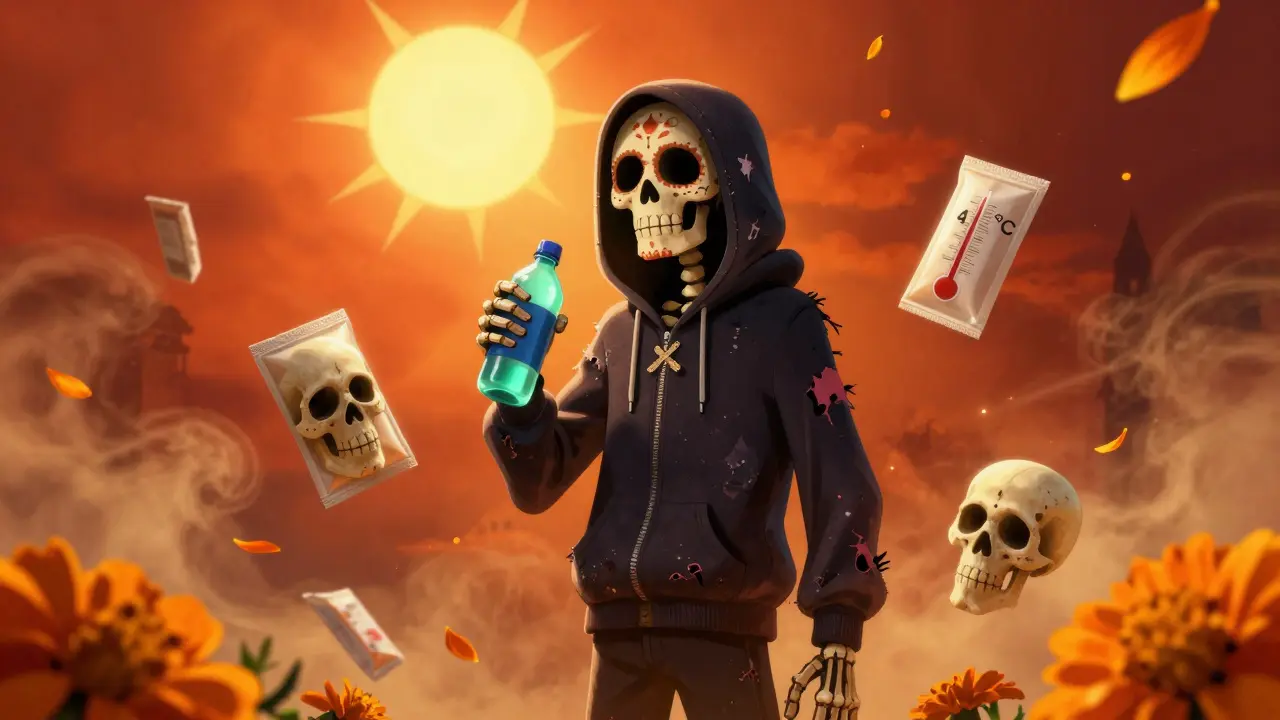
When the temperature climbs above 24°C (75.2°F), something dangerous starts happening-people who use drugs are at a much higher risk of overdose. It’s not just about the heat. It’s about how heat changes your body, how it changes drugs, and how little we do to protect the most vulnerable. In Melbourne, where summer temperatures regularly hit 40°C, this isn’t theoretical. It’s happening right now, every year, and too many people are dying because no one connects the dots between a heatwave and a fatal overdose.
Why Heat Makes Overdose More Likely
Your body works hard to stay cool. When it’s hot, your heart beats faster-up to 25 extra beats per minute just to pump blood to your skin. If you’re using stimulants like cocaine or methamphetamine, your heart is already under serious strain. Add heat on top, and you’re pushing your cardiovascular system past its limit. A 2010 study from Columbia University found that overdose deaths spiked sharply when temperatures crossed that 24°C threshold. In New York City, about seven weeks a year hit that mark-and those were the weeks with the most overdose deaths. But it’s not just stimulants. Opioids are just as dangerous in the heat. Heat reduces your body’s ability to regulate breathing. Normally, your body compensates for opioid-induced respiratory depression by breathing deeper. But when you’re overheated, that safety mechanism weakens by 12-18%. That tiny gap between a safe dose and a lethal one? It disappears. Then there’s dehydration. When you sweat, you lose fluid. Lose just 2% of your body weight in water, and your blood becomes more concentrated. That means the same dose of a drug hits harder. A 10mg dose of heroin might as well be 12mg. You didn’t take more. Your body just made it stronger. And if you’re already dehydrated from drinking alcohol, not eating, or just being outside too long? You’re walking into a silent trap.Who’s Most at Risk
It’s not random. The people most likely to die in a heatwave aren’t just those using drugs-they’re those without shelter, without access to clean water, without support. In the U.S., nearly 600,000 people experience homelessness on any given night. Over a third of them have a substance use disorder. In Australia, the numbers are similar. Many sleep on concrete, under bridges, or in cars. No AC. No fan. No shade. People on medications for mental health are also at higher risk. About 70% of antipsychotics and 45% of antidepressants don’t work as well in extreme heat. Some even become more toxic. That means someone managing depression or psychosis might feel worse during a heatwave-not because their illness is getting worse, but because their meds are failing them. They might reach for a drug to cope. And then the heat does the rest.How Heat Changes Your Body’s Response to Drugs
Your liver and kidneys don’t work the same way in the heat. They’re busy trying to cool you down. That means drugs stay in your system longer. Your body can’t process them fast enough. That’s why people report feeling the effects of a drug they’ve used before-only this time, it hits harder. They think, “I took the same amount last week and I was fine.” But last week wasn’t 38°C. Heat also lowers your judgment. Core body temperature rising just 1.5-2°C can reduce cognitive function by 25-35%. That means you’re less likely to recognize warning signs: dizziness, nausea, chest pain, confusion. You’re less likely to call for help. Less likely to stop using. Less likely to use with someone who can intervene. And here’s the worst part: many people don’t know this is happening. Harm reduction workers in Melbourne, Sydney, and Brisbane report that people often say, “I didn’t think heat would make it worse.” They think overdose is about dose, purity, or mixing drugs. They don’t realize the weather is the silent ingredient.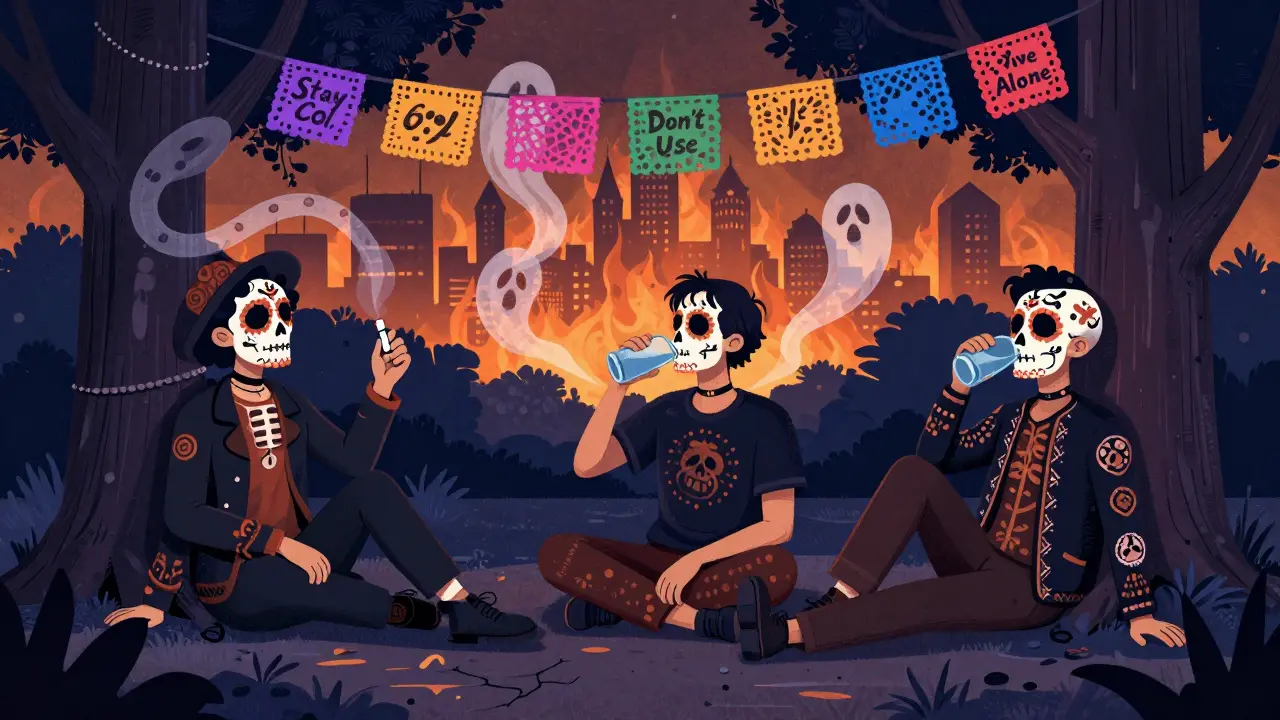
What You Can Do to Reduce Risk
If you or someone you know uses drugs, here’s what actually works:- Reduce your dose by 25-30% during heatwaves. Even if you’ve used the same amount before, your body isn’t the same. Treat every heatwave like a new experience.
- Drink water constantly. One cup (250ml) every 20 minutes. Not soda. Not energy drinks. Cool water. Electrolyte packets help too-many harm reduction groups now hand them out for free.
- Stay out of direct sun. Seek shade. Sit in a park with trees. Go to a library. Walk into a shopping center. Even 30 minutes in air conditioning can reset your body.
- Don’t use alone. If you’re using, have someone with you who knows how to use naloxone. If you’re worried about being judged, find a harm reduction service. They won’t turn you away.
- Know your meds. If you’re on antidepressants, antipsychotics, or blood pressure meds, talk to your doctor before summer hits. Ask if they’re safe in heat.
What Communities and Services Should Be Doing
Too many cities still treat heatwaves as a weather problem, not a public health emergency. Only 12 of 50 U.S. states have plans that include people who use drugs. In Australia, most heat emergency plans don’t mention substance use at all. But some places are getting it right:- Philadelphia gives out over 2,500 cooling kits each summer-water, electrolytes, misting towels, and info cards. They partner with needle exchanges and outreach teams.
- Vancouver opened seven air-conditioned respite centers next to supervised consumption sites during the 2021 heat dome. Overdose deaths dropped by 34%.
- Maricopa County, Arizona trained volunteers to check on people living outdoors. They made over 12,000 wellness checks in one summer. They found 287 overdoses and reversed them with naloxone.
What to Do If Someone Overdoses in the Heat
If you see someone collapsed, unresponsive, or breathing shallowly:- Call emergency services immediately. Say: “I think this person overdosed and it’s hot.”
- Move them to shade or air conditioning if possible.
- Give them cool water if they’re conscious.
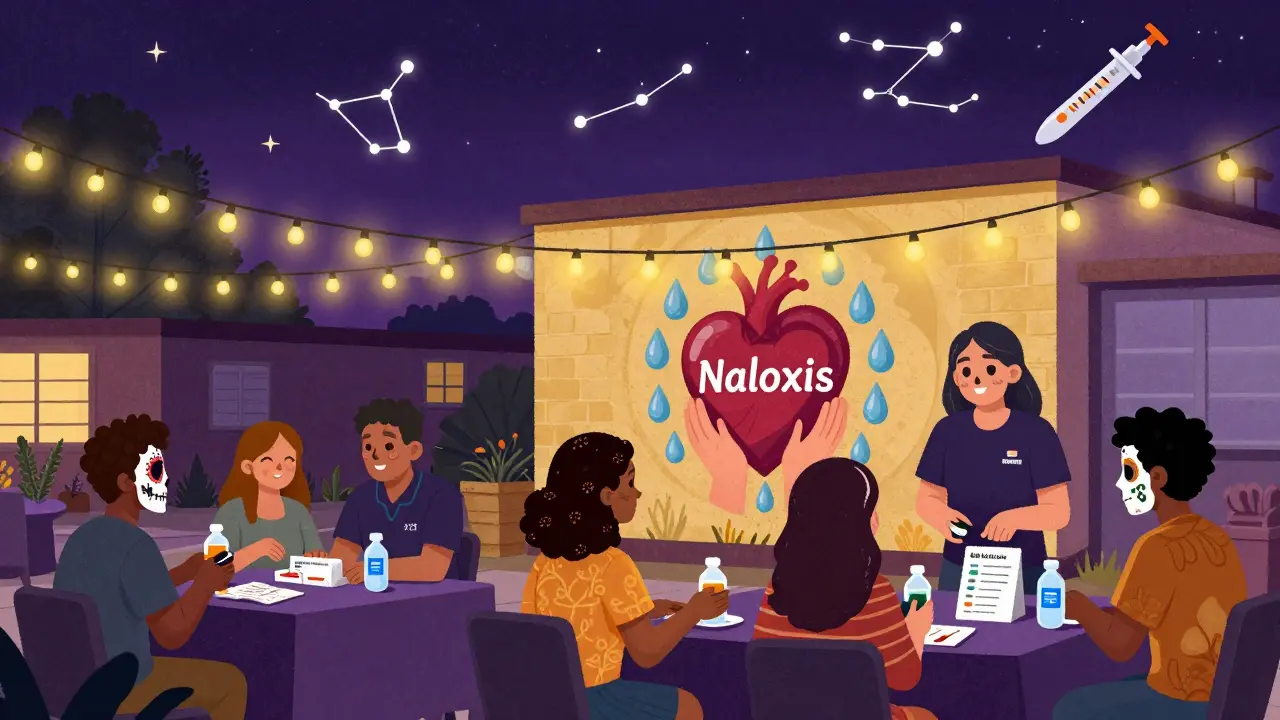
- Administer naloxone if you have it. Even if you think it’s just heat exhaustion-naloxone won’t hurt if they didn’t use opioids.
- Keep them cool. Wet their clothes, fan them, put ice packs on their neck, armpits, and groin.
The Bigger Picture
Climate change isn’t a future threat. It’s here. By 2050, we’ll have 20-30 more days each year above the 24°C overdose risk threshold. That means more deaths. More grief. More families shattered. We can’t stop the heat. But we can stop pretending it doesn’t matter. We can stop blaming people for overdosing. We can stop treating substance use as a moral failure instead of a health issue. The solution isn’t more police. It’s more water. More shade. More training for outreach workers. More funding for cooling centers. More respect for people who use drugs. If you’re reading this, you’re not powerless. If you’re a service provider, push for heat protocols. If you’re a friend, check on the person who uses. If you’re someone who uses drugs, know this: your life matters. Your body matters. You don’t have to suffer alone.Can heat really make a drug overdose more likely even if I don’t use stimulants?
Yes. While stimulants like cocaine and meth increase heart strain in heat, opioids are just as dangerous. Heat reduces your body’s ability to compensate for opioid-induced breathing problems. Even a small dose can become deadly because your lungs can’t keep up. Dehydration also concentrates the drug in your blood, making it stronger than you expect.
Should I stop using drugs during a heatwave?
That’s a personal decision, but if you do use, reduce your dose by 25-30% and never use alone. Many people think they need to quit to be safe-but harm reduction is about staying alive, not just stopping. Reducing your dose, staying hydrated, and being in a cool place can save your life without requiring you to quit right away.
Do naloxone kits work the same in hot weather?
Yes. Naloxone is stable in heat up to 40°C if kept out of direct sunlight. Don’t leave it in a hot car. Store it in a shaded bag or pocket. The medication works the same regardless of temperature-it reverses opioid overdoses whether it’s 20°C or 40°C.
Why don’t shelters allow people who are using drugs during heatwaves?
Many shelters still have policies that exclude people using drugs, even during emergencies. This is dangerous and outdated. During heatwaves, these policies put lives at risk. Some cities are changing this-like Vancouver, where respite centers are co-located with harm reduction services. But until all shelters adopt harm reduction principles, people will continue to die outside.
What if I’m on medication for anxiety or depression-can heat make it worse?
Yes. About 70% of antipsychotics and 45% of antidepressants become less effective or more toxic in extreme heat. You might feel more anxious, depressed, or confused-not because your condition is worsening, but because your meds aren’t working right. Talk to your doctor before summer. Ask if your medication needs adjustment during hot weather.
Where can I get free cooling supplies during a heatwave?
Many local harm reduction services, needle exchanges, and community health centers offer free cooling kits during summer. These usually include water, electrolyte packets, misting towels, and info on where to find air-conditioned spaces. In Melbourne, check with the Victorian Drug and Alcohol Information Service or local outreach teams. They don’t ask questions-they just help.