How to Handle Missed Doses Safely Without Doubling Up
Chris Gore
Irritable Bowel Syndrome: Causes, Triggers, and Managing Symptoms Naturally
When your gut feels like it’s in revolt—cramping, bloating, diarrhea, or constipation without a clear cause—you’re likely dealing with irritable bowel syndrome, a common functional disorder of the digestive system that affects how the gut communicates with the brain. Also known as IBS, it’s not an infection, not cancer, and not something you can see on a scan—but it’s very real, and it affects millions. Unlike Crohn’s or ulcerative colitis, IBS doesn’t damage your intestines, but it can wreck your daily life. People with IBS often feel embarrassed, frustrated, or even dismissed by doctors who say, "It’s just stress." But it’s more than that. It’s your nervous system and gut bacteria talking to each other in broken code.
IBS triggers, the specific foods, emotions, or habits that set off symptoms vary wildly from person to person. For some, it’s dairy. For others, it’s onions, garlic, artificial sweeteners, or even coffee. A 2022 study tracking over 1,200 IBS patients found that 78% saw improvement after cutting out FODMAPs—fermentable carbs found in wheat, beans, apples, and honey. But you don’t need to go full elimination diet right away. Start by writing down what you eat and how you feel each day. Patterns show up fast. Stress is another big one. If you notice your gut flares up before meetings, during travel, or after a bad night’s sleep, you’re not imagining it. Your gut has its own nervous system—over 100 million neurons—and it reacts to anxiety like a smoke alarm.
Gut health, the balance of bacteria and inflammation in your digestive tract plays a huge role. Antibiotics, poor sleep, and processed foods can wipe out good bacteria, letting the bad ones take over. Probiotics aren’t magic pills, but certain strains—like Bifidobacterium infantis—have been shown in clinical trials to reduce bloating and pain in IBS patients. And don’t forget movement. Walking 20 minutes a day improves gut motility better than most pills. Hydration matters too. Dehydration makes constipation worse, and too much water with meals can dilute stomach acid, slowing digestion.
There’s no cure for IBS, but there are plenty of ways to take control. Some people find relief with peppermint oil capsules, others with cognitive behavioral therapy, and some just by learning to eat slower. The posts below aren’t about quick fixes. They’re about real strategies: how certain meds can make IBS worse, why travel insurance matters when you’re on the go, how deprescribing unnecessary drugs can calm your gut, and what to do when stress turns your stomach into a storm. You’re not alone. And you don’t have to live with this pain forever.
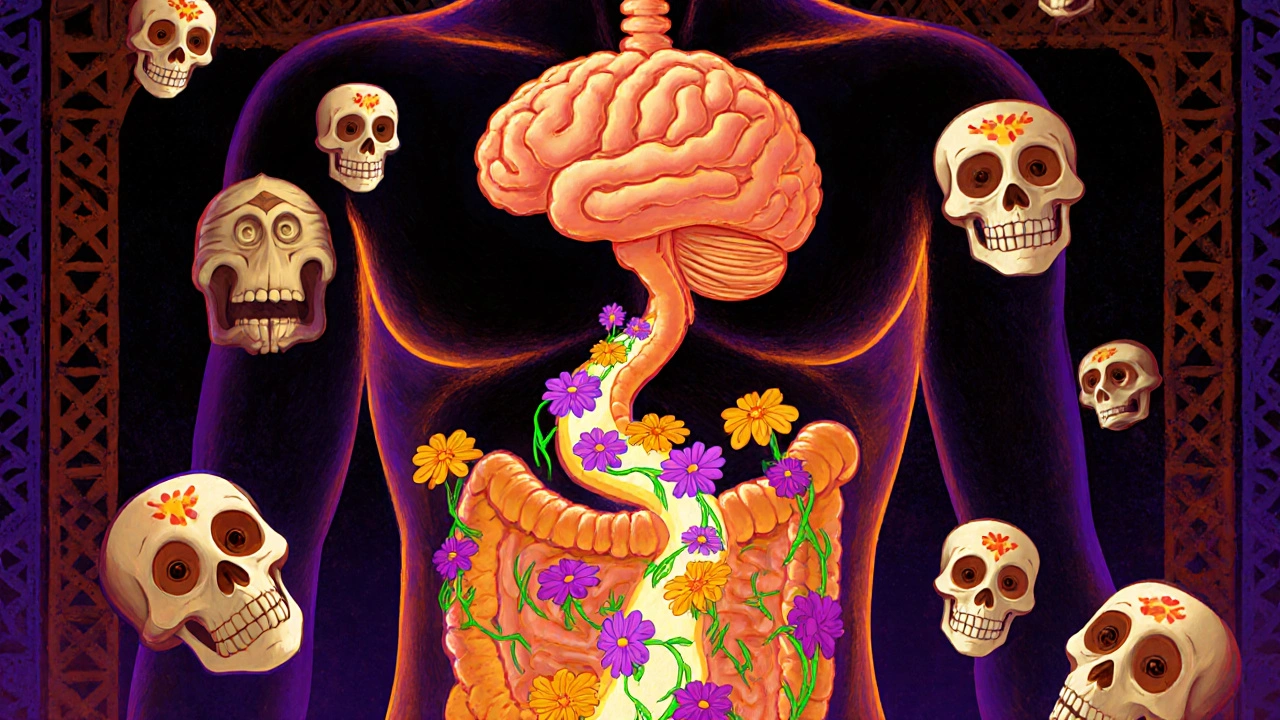
Irritable Bowel Syndrome is caused by a breakdown in gut-brain communication, not just digestion. Learn how diet, hypnotherapy, and new medications target the root cause for real relief.
Chris Gore Nov 10, 2025