Pharmacodynamic Drug Interactions: What Happens When Drugs Combine
Chris Gore
Idiosyncratic Drug Reactions: What They Are and Why They Matter
When a drug that works fine for most people suddenly causes a severe, unexpected reaction in someone else, that’s an idiosyncratic drug reaction, a rare, unpredictable adverse response to a medication that isn’t tied to the drug’s known pharmacological effects. Also known as type B adverse drug reactions, these events aren’t dose-dependent and can’t be easily predicted by standard testing. Unlike allergic reactions, which involve the immune system, idiosyncratic reactions often stem from genetic differences in how your body processes drugs — think of it like your body’s unique software glitch.
These reactions can range from mild rashes to life-threatening conditions like liver failure, blood disorders, or severe skin reactions such as Stevens-Johnson syndrome. They’re why a drug that’s been on the market for years — even one that’s been taken by millions — can suddenly trigger a safety alert. The CYP3A4 enzyme, a key liver protein responsible for breaking down many medications plays a big role here. People with genetic variations in CYP3A4 might metabolize drugs too slowly, leading to toxic buildup, or too quickly, making the drug useless. That’s why cyclosporine, a powerful immunosuppressant with a narrow safety window carries such strong warnings about interactions — even small changes in metabolism can push it into dangerous territory.
These reactions are why some people react badly to antibiotics like trimethoprim, a common antibiotic that can spike potassium levels in vulnerable individuals, or why amiodarone, a heart rhythm drug might cause nerve damage years after starting it. They’re also why you might hear about a drug being pulled from the market — not because it’s unsafe for most, but because a tiny fraction of people have a genetic vulnerability that makes it dangerous for them.
There’s no test you can take before starting a new medication to guarantee you won’t have one of these reactions. But knowing your family history, paying attention to early warning signs — like unexplained fever, rash, fatigue, or dark urine — and speaking up when something feels off can make all the difference. Many of these reactions are caught early because patients noticed something strange and told their doctor.
The posts below dive into the real-world side of this issue: how drug interactions can turn harmless meds into risks, why some people are more vulnerable than others, and what to do if you suspect a reaction. You’ll find clear guidance on spotting red flags, understanding what your pharmacist needs to know, and how to protect yourself when taking multiple drugs. These aren’t theoretical discussions — they’re based on cases real people have lived through.
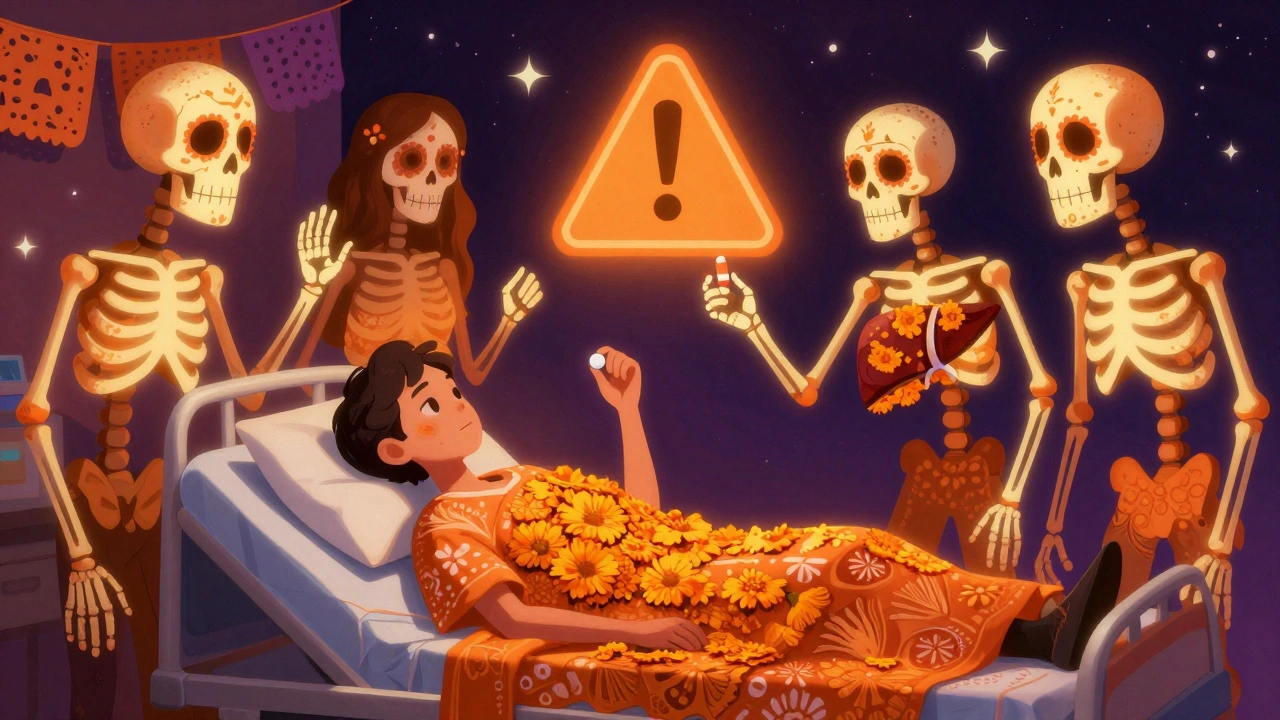
Idiosyncratic drug reactions are rare, unpredictable side effects that can be life-threatening. Learn what causes them, which drugs trigger them, how they're diagnosed, and what you can do to stay safe.
Chris Gore Dec 1, 2025