Tapering Opioids Safely: How to Reduce Side Effects and Withdrawal Symptoms
Chris Gore
Bioequivalence: What It Means for Generic Drugs and Your Health
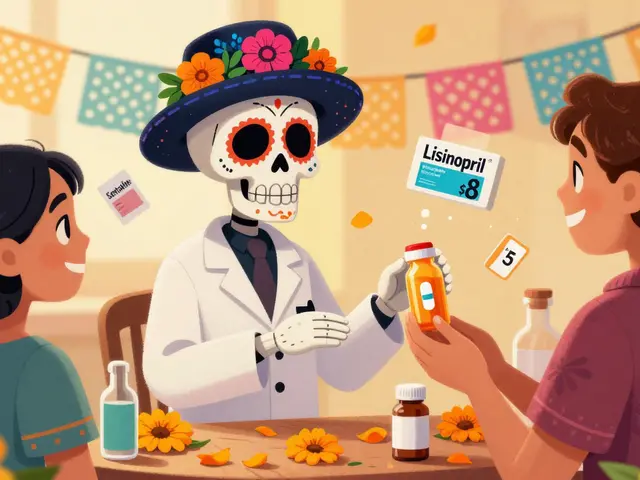
When you pick up a generic pill, you want to know it does the same job as the brand-name version. That’s where bioequivalence, the scientific standard proving two drug formulations produce the same effect in the body. Also known as therapeutic equivalence, it’s the invisible guarantee that your $5 generic works just like the $50 brand. The FDA doesn’t just approve generics because they look similar—they require real, measurable proof that the active ingredient enters your bloodstream at the same rate and amount. No guesswork. No shortcuts.
This isn’t just about saving money. Bioequivalence keeps your treatment consistent. If you switch from one generic to another, or from brand to generic, your body shouldn’t react differently. That’s why drugs like lisinopril, sertraline, or atorvastatin can be sold under dozens of names but still deliver the same results. But bioequivalence isn’t automatic—it’s tested through clinical studies measuring blood levels over time. If a generic fails those tests, it doesn’t get approved. And yes, some generics do fail. That’s why you’ll see differences in how people respond to different brands of the same drug—sometimes it’s not the ingredient, it’s the filler, the coating, or how fast it dissolves.
Things get more complex with drugs that have narrow therapeutic windows—like warfarin, levothyroxine, or phenytoin. Even tiny changes in absorption can cause side effects or reduce effectiveness. That’s why doctors often stick to one brand or generic for these. But for most medications, bioequivalence means you can switch freely without risk. The system works because it’s based on hard data, not marketing. And when you see an FDA-approved generic, you’re seeing proof that science, not cost-cutting, led the way.
Behind every generic you take, there’s a lab, a study, and a regulatory review focused on one thing: making sure your health isn’t compromised by price. The posts below dive into real-world examples—how bioequivalence affects patient trust in generics, why authorized generics are changing the market, and how drug interactions can still surprise even when bioequivalence is proven. You’ll find guides on comparing generics like Fertigyn HP and Pregnyl, understanding why some people react differently to generic versions of Ativan or Lexapro, and how the FDA tracks safety after approval. Whether you’re switching meds, saving money, or just wondering if your generic really works, these articles cut through the noise with facts, not fluff.
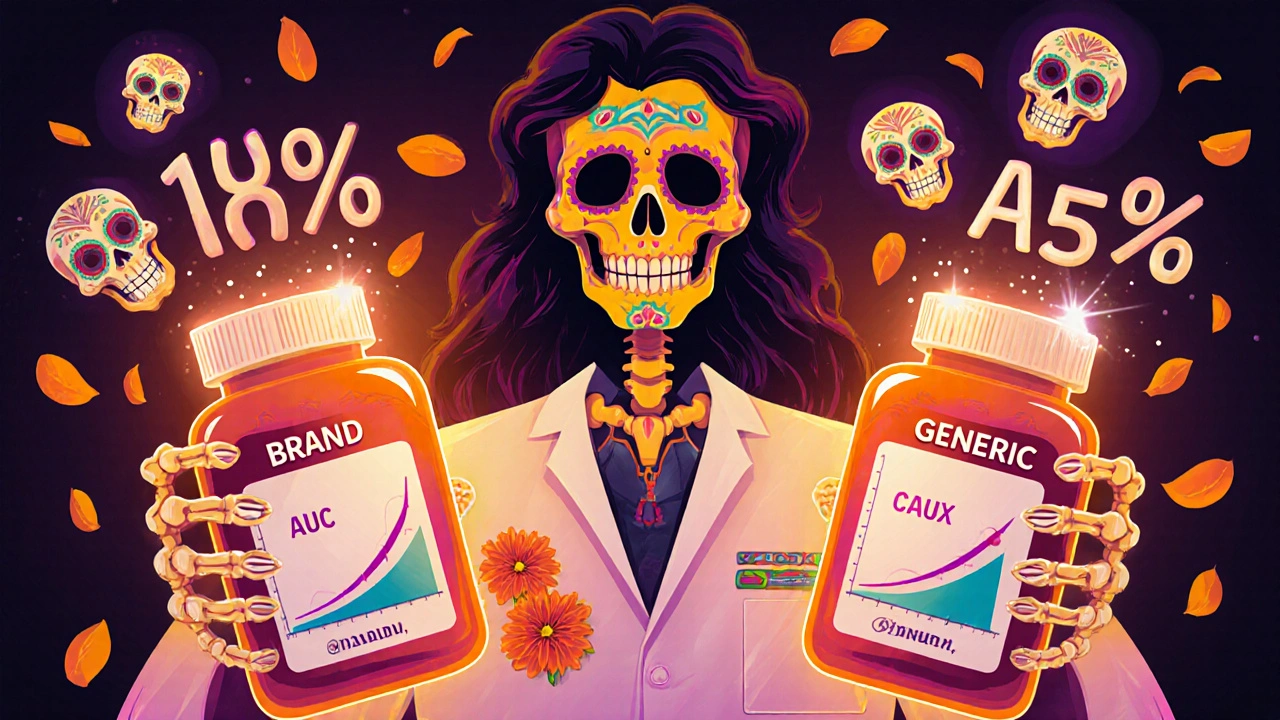
Learn how bioavailability and bioequivalence determine whether generic drugs work as well as brand-name versions. Understand the science behind FDA approval, real-world outcomes, and when to be cautious.
Chris Gore Nov 19, 2025