Large Print and Accessible Prescription Labels for Low Vision: What You Need to Know
Chris Gore
Adverse Drug Reactions: What They Are, How to Spot Them, and What to Do
When your body reacts badly to a medicine you took on purpose, that’s an adverse drug reaction, an unintended and harmful response to a medication at normal doses. Also known as drug side effects, these reactions aren’t always predictable — and they’re far more common than most people realize. You might think if a doctor prescribed it, it’s safe. But even FDA-approved drugs can cause trouble, especially when mixed with other pills, food, or health conditions.
Some reactions are annoying but harmless — a dry mouth from an antihistamine, or nausea after antibiotics. Others? They’re emergencies. anaphylaxis, a sudden, severe allergic reaction that can shut down breathing and circulation can strike within minutes after taking a drug like penicillin or NSAIDs. Then there’s drug-induced kidney failure, when common painkillers or antibiotics damage the kidneys without warning. These aren’t rare outliers. They happen every day, often because no one connected the dots between the new pill and the new symptom.
It’s not just about the drug itself. Your age, other medications, even your diet can turn a harmless pill into a danger. Grapefruit juice can make cholesterol drugs toxic. Potassium levels can spike with certain antibiotics if you’re already on blood pressure meds. And if you’re older and taking five or more pills a day, your risk of a bad reaction goes up fast. That’s why deprescribing, the careful process of stopping unnecessary medications is becoming a key part of safe care — especially for seniors.
Most people don’t know how to tell the difference between a normal side effect and something dangerous. A little dizziness? Maybe. But swelling in your throat, chest pain, or sudden confusion? That’s not normal. You need to act. Epinephrine saves lives in anaphylaxis. Stopping a drug early can prevent permanent kidney damage. And knowing what to ask your pharmacist — like whether a new medicine interacts with your other pills — can make all the difference.
This collection of posts doesn’t just list reactions. It shows you how they happen, who’s most at risk, and what steps actually work to avoid them. From how cyclosporine interacts with CYP3A4 enzymes to why trimethoprim can spike potassium, you’ll find real-world examples of drugs that seem fine on paper but cause real harm in practice. You’ll also learn how to spot red flags, when to demand a second opinion, and how to talk to your pharmacy when switching generics — because even small changes in formulation can trigger a reaction.
Medicines are powerful tools. But they’re not harmless. Understanding adverse drug reactions isn’t about fear — it’s about control. Knowing what to watch for, when to speak up, and how to protect yourself turns you from a passive patient into an active partner in your own care. What follows are the stories, science, and strategies that help people stay safe when taking meds — because no one should have to guess if their pill is helping or hurting them.
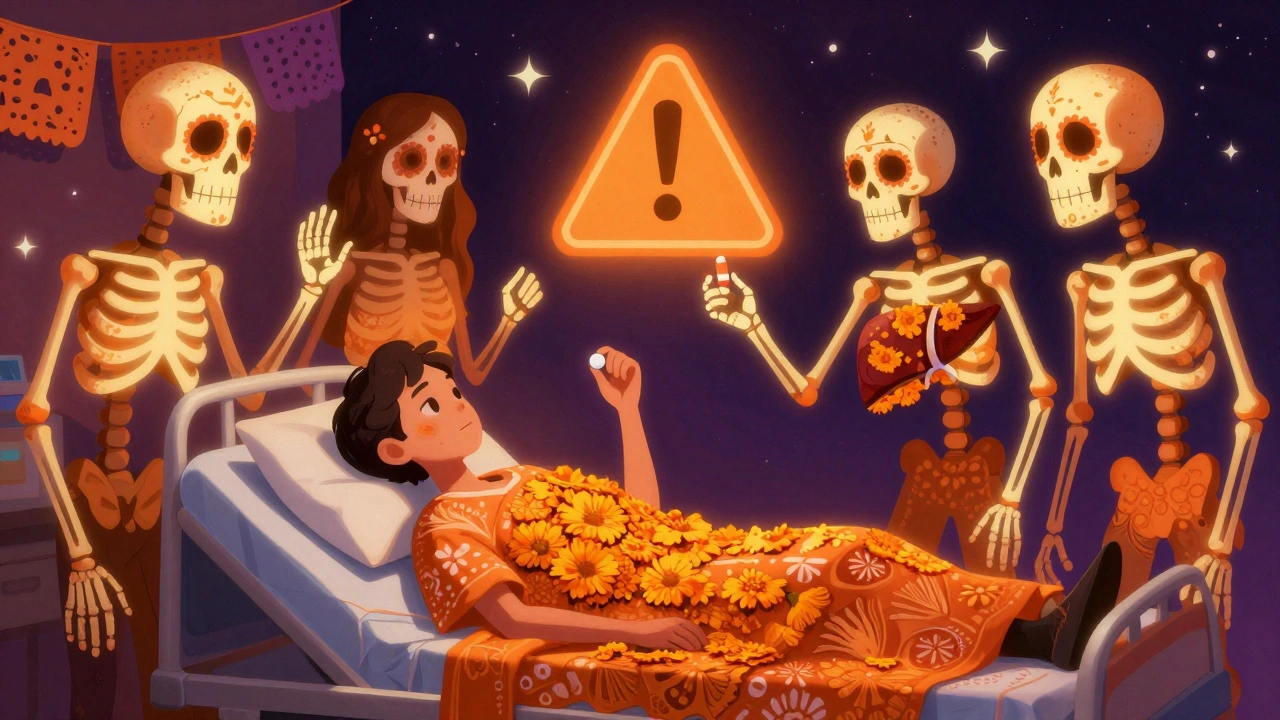
Idiosyncratic drug reactions are rare, unpredictable side effects that can be life-threatening. Learn what causes them, which drugs trigger them, how they're diagnosed, and what you can do to stay safe.
Chris Gore Dec 1, 2025