How Medications Enter Breast Milk and What It Means for Your Baby
Chris Gore
Pharmacokinetics: How Your Body Processes Medications
When you take a pill, it doesn’t just disappear and start working. Pharmacokinetics, the study of how the body absorbs, distributes, metabolizes, and eliminates drugs. Also known as ADME, it’s the science behind why some drugs kick in fast, others last all day, and why some cause side effects in certain people. Without understanding pharmacokinetics, you’re guessing when a medicine will help—or hurt.
It’s not just about the drug itself. Your liver, kidneys, age, weight, even what you ate before taking it—these all change how drug absorption happens. For example, taking a medication with food might slow it down or make it work better. Drug metabolism is where your liver breaks down the medicine, often turning it into something your body can get rid of. Some people process drugs faster than others because of genetics, which is why two people on the same dose can have totally different results. Then there’s drug distribution, which determines where the drug goes in your body. Some drugs target the brain, others the joints, and some get stuck in fat tissue. And finally, drug elimination—how your kidneys or liver flush it out. If your kidneys aren’t working well, a drug can build up to dangerous levels.
This isn’t just theory. It’s why doctors adjust doses for older adults, why some antibiotics need to be taken on an empty stomach, and why certain painkillers are risky if you drink alcohol. It’s why trimethoprim can spike your potassium, why topiramate increases kidney stone risk, and why amiodarone can damage nerves over time. Every post here ties back to this: how drugs move through your body shapes their safety, effectiveness, and side effects. You’ll find real-world examples—like how generic meds behave differently in storage, how hormone therapies for breast cancer are timed around metabolism, or why travel insurance won’t cover your regular pills because they’re not emergencies. This collection doesn’t just list facts. It shows you the hidden logic behind every prescription, every warning label, and every change your doctor suggests.
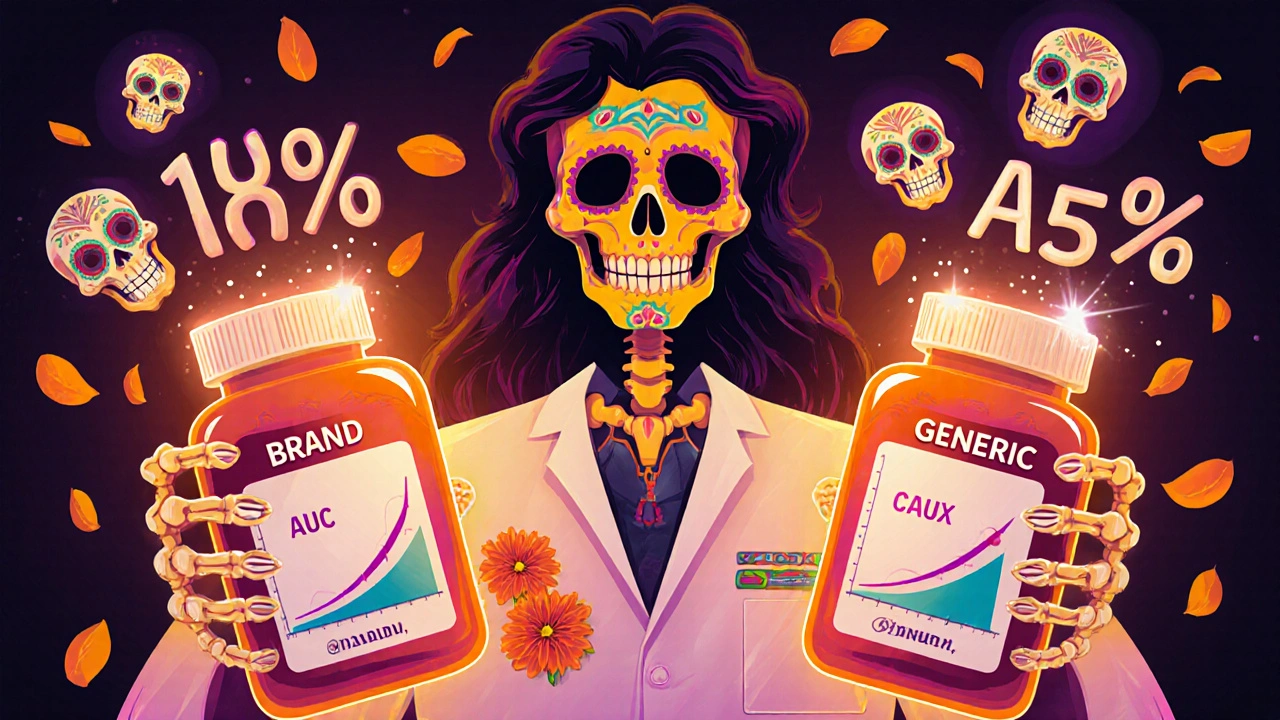
Learn how bioavailability and bioequivalence determine whether generic drugs work as well as brand-name versions. Understand the science behind FDA approval, real-world outcomes, and when to be cautious.
Chris Gore Nov 19, 2025